
By DARLENE SUPERVILLE and COLLIN BINKLEY
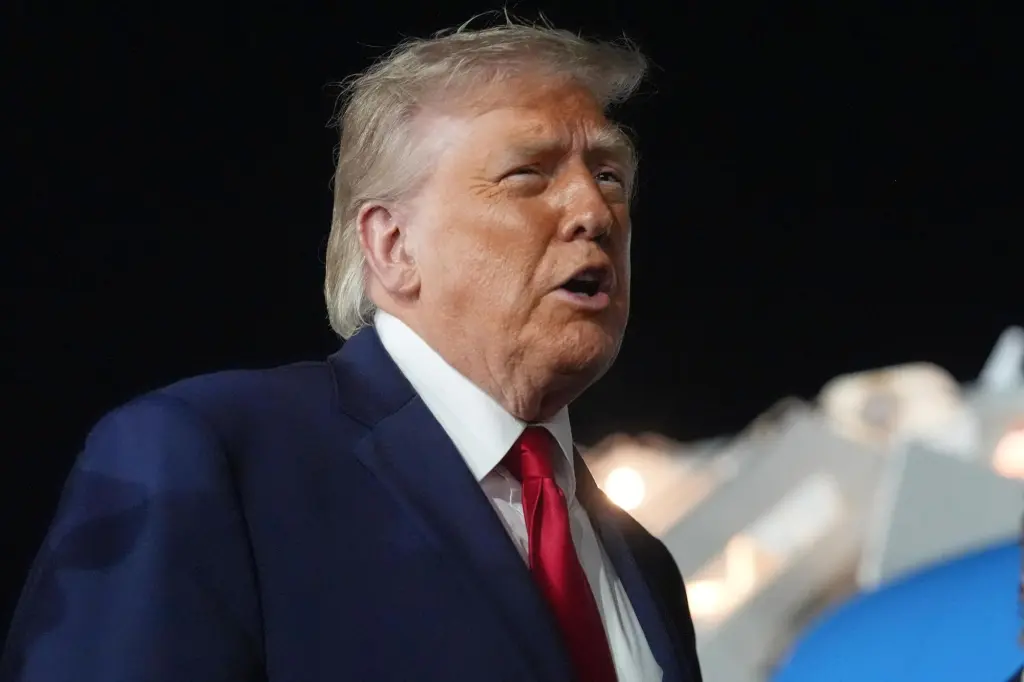
WASHINGTON (AP) — President Donald Trump signed a bill into law on Wednesday that gives his immigration and deportation agenda a nearly $70 billion boost for the rest of his time in the White House.
Read more SpaceX wants regular investors to help its stock launch. Here’s what to know before clicking ‘buy’
The bill provides $38 billion for U.S. Immigration and Customs Enforcement and $26 billion for the Border Patrol. An additional $5 billion would cover unforeseen costs, according to the White House.
Trump signed the legislation in the Oval Office a day after House Republicans pushed the measure through by a 214-212 vote over the objections of Democrats. His signature ended a nearly six-month fight over Department of Homeland Security funding that began with shooting deaths of deaths of two U.S. citizens, Alex Pretti and Renee Good, in January during federal immigration enforcement operations in Minneapolis.
Democrats began demanding changes to immigration enforcement after the shootings, creating an impasse — and resulting in the longest agency in history — that ultimately led Republicans to go it alone on the funding.
Read more Search underway for young girl swept into big surf off Laguna Beach
The agencies will be funded through the next three years. The new law front-loads routine annual funding, ensuring a virtually uninterrupted flow of money as the Trump administration seeks to deport some 1 million people per year.
The legislation had become sidetracked over $1 billion for White House security, including for Trump’s new ballroom, and a $1.8 billion fund to compensate his allies who claim to be victims of political prosecution. Both proposals became politically toxic and were scrapped.
The bill as passed focused exclusively on immigration enforcement, a topic that Republicans have treated as a defining issue between the two major political parties and one the GOP hopes will carry it to victory in November’s midterm elections.
Read more Animal welfare rules might be rolled back by Congress