
By ED WHITE
A man who was accused of faking his own death in 2020 and fleeing to Europe to evade rape charges in the U.S. has died after he was taken to a hospital from a Utah prison, authorities said Friday.
Read more Ann Blyth, teen star of ‘Mildred Pierce,’ dead at 98
Nicholas Rossi was serving at least 10 years in prison for two sexual assault cases that went to trial in Utah in 2025, following a yearslong global saga to find him and then extradite him from Scotland.
Rossi, 38, died Thursday night from “complications of an existing medical condition after choosing to discontinue medical treatment,” said Richard Piatt, a spokesperson at the Utah Department of Corrections.
His victims and his family were notified, Piatt said.
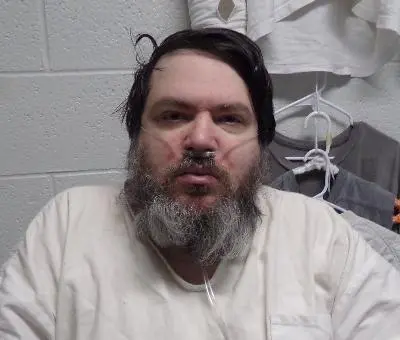 This photo provided by Utah Department of Corrections shows Nicholas Rossi. (Utah Department of Corrections via AP)
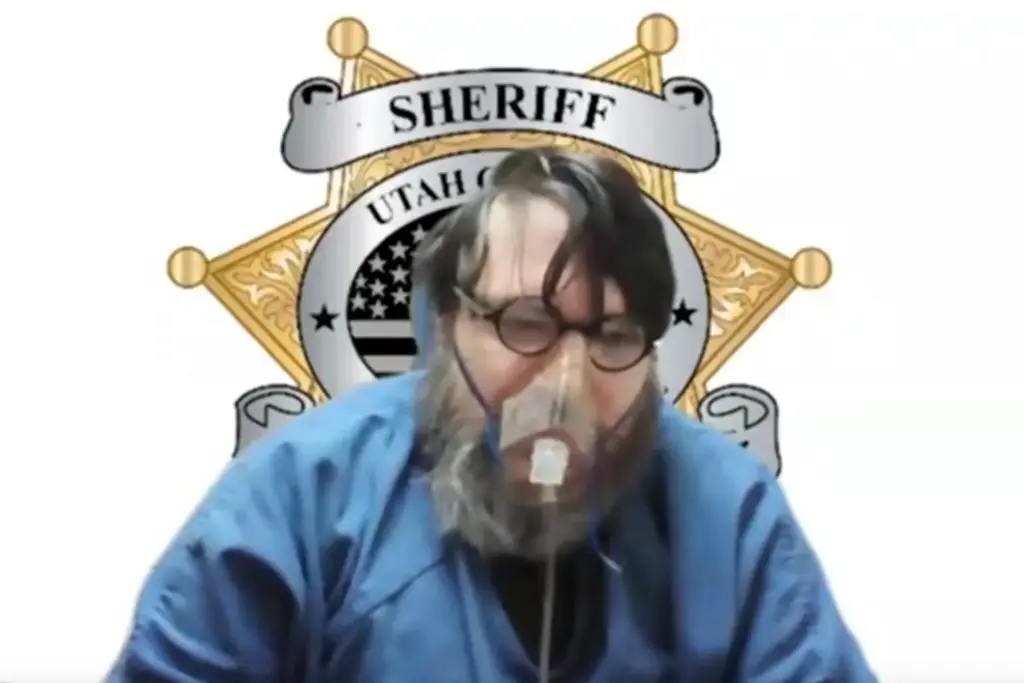 FILE – In this image taken from video, alleged U.S. fugitive Nicholas Rossi speaks during a hearing livestreamed on Tuesday, Jan. 16, 2024, in Salt Lake City. (KSTU via AP, Pool, File)
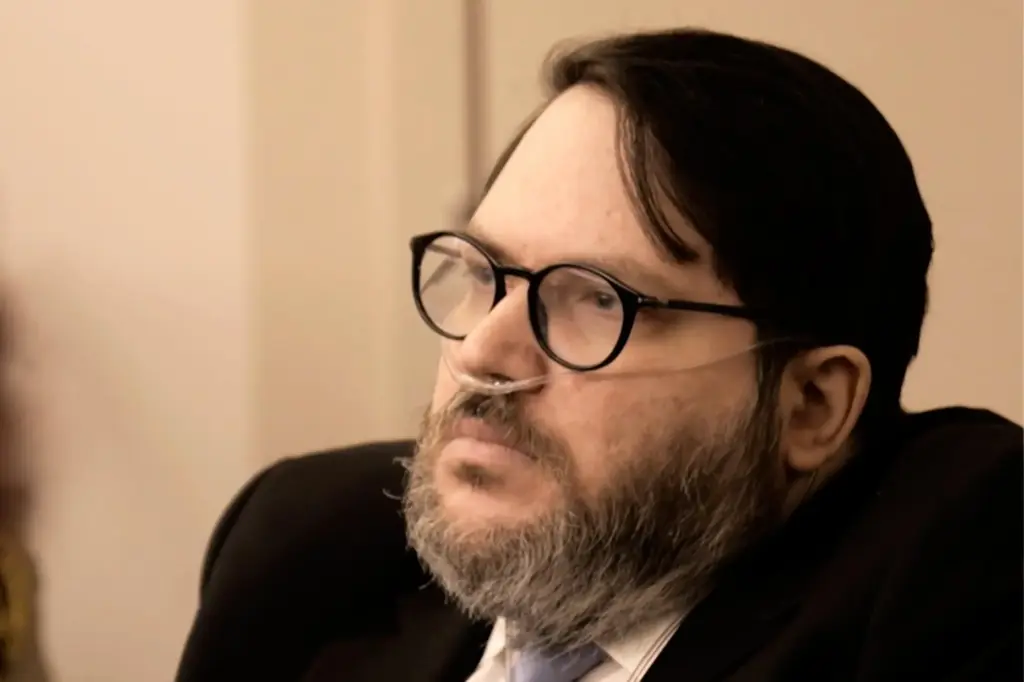 FILE – In this image made from pool video footage, Nicholas Rossi, accused of faking his death and fleeing to Europe to avoid rape charges, appears at a jury trial in Salt Lake City, Aug. 11, 2025. (Firecrest Films via AP, Pool, File)
Piatt said he couldn’t disclose details about Rossi’s health problems. But during court appearances, he had appeared in a wheelchair and used oxygen.
Rossi, also known as Nicholas Alahverdian, was extradited to Utah from Scotland in 2024. Authorities had been searching for him when he was identified in 2018 through a decade-old DNA rape kit.
Months after he was charged, an online obituary claimed Rossi died on Feb. 29, 2020, of non-Hodgkin lymphoma. But police in his home state of Rhode Island, along with his former lawyer and a former foster family, cast doubt on whether he was dead.
Read more Small aircraft crashes into Beijing’s tallest building, according to flight tracking service
He was arrested in Scotland the following year while receiving treatment for COVID-19. Hospital staff recognized his distinctive tattoos, including the crest of Brown University inked on his shoulder, although he never attended.
Rossi insisted he was an Irish orphan named Arthur Knight who was being framed. Investigators say they identified at least a dozen aliases Rossi used over the years to evade capture.
Two women in Utah had accused him of sexual assault. One said Rossi raped her in his Orem apartment after she had gone there to collect money that he had stolen from her to buy a computer.
Another woman said she met Rossi through a personal ad that he had posted on Craigslist. They began dating and were engaged within a couple weeks. She testified that Rossi asked her to pay for dates and car repairs, lend him $1,000 so he wouldn’t be evicted, and take on debt to buy their engagement rings.
“I am not guilty of this. These women are lying,” Rossi said at a sentencing hearing last October.
Read more Israel and Lebanon sign framework agreement with US in ‘first step’ toward peace, Rubio says