
The 250th anniversary of America’s declaration of its independence is prompting a look back at life in 1776. So, with that in mind, what was happening in this area, a continent away from where the 13 colonies were standing up against the British?
Read more A little real estate roto tilling for one agent’s brain
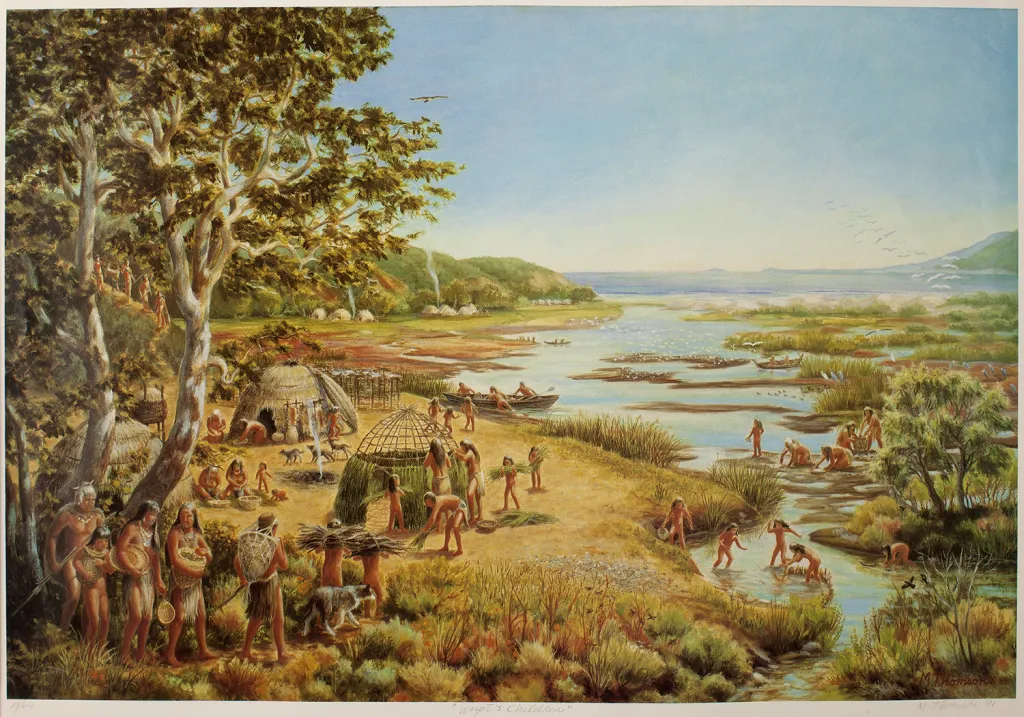
At the time, the land that became modern-day Orange County was home to thriving villages of the Acjachemen and Tongva tribes, and had been for thousands of years. But in this area, just as in the American colonies on the East Coast, a declaration of sorts was being made, and it would shape course of the region’s history.
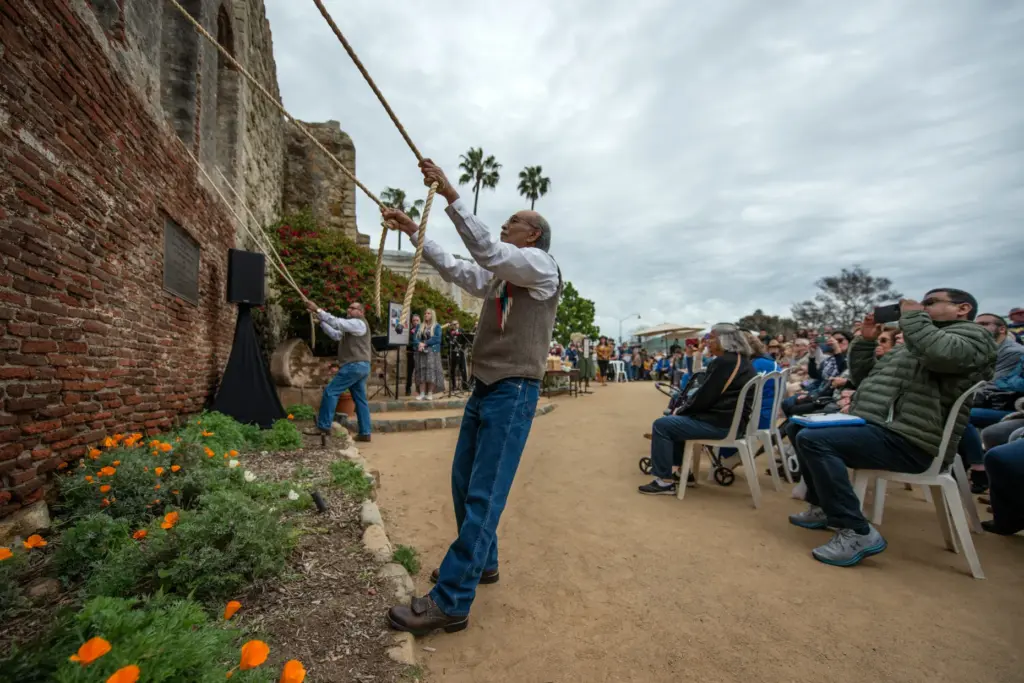 A crowd looks on as Acjachemen Nation members Michael Gastelum, left, and Nathan Banda perform the ceremonial Ringing of the Bells during the annual St. Joseph’s Day and Return of the Swallows Celebration at Mission San Juan Capistrano on Sunday, March 19, 2023. (Photo by Jeff Antenore, Contributing Photographer)
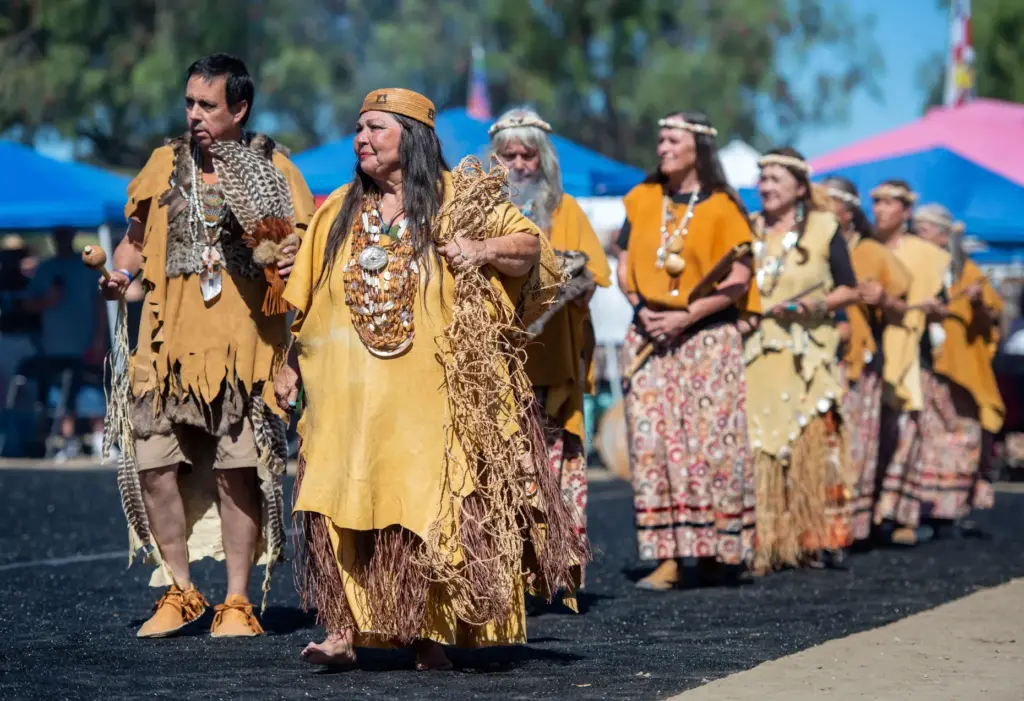 Members of Juaneño Band of Mission Indians, Acjachemen Nation participate in a ceremonial pow-wow, bringing together tribal members, neighboring Native Nations, and the broader community for a day of dance, music, art and prayer, at the historic Putuidem Village site in San Juan Capistrano on Saturday, Oct. 18, 2025. (Photo by Jeff Antenore, Contributing Photographer)
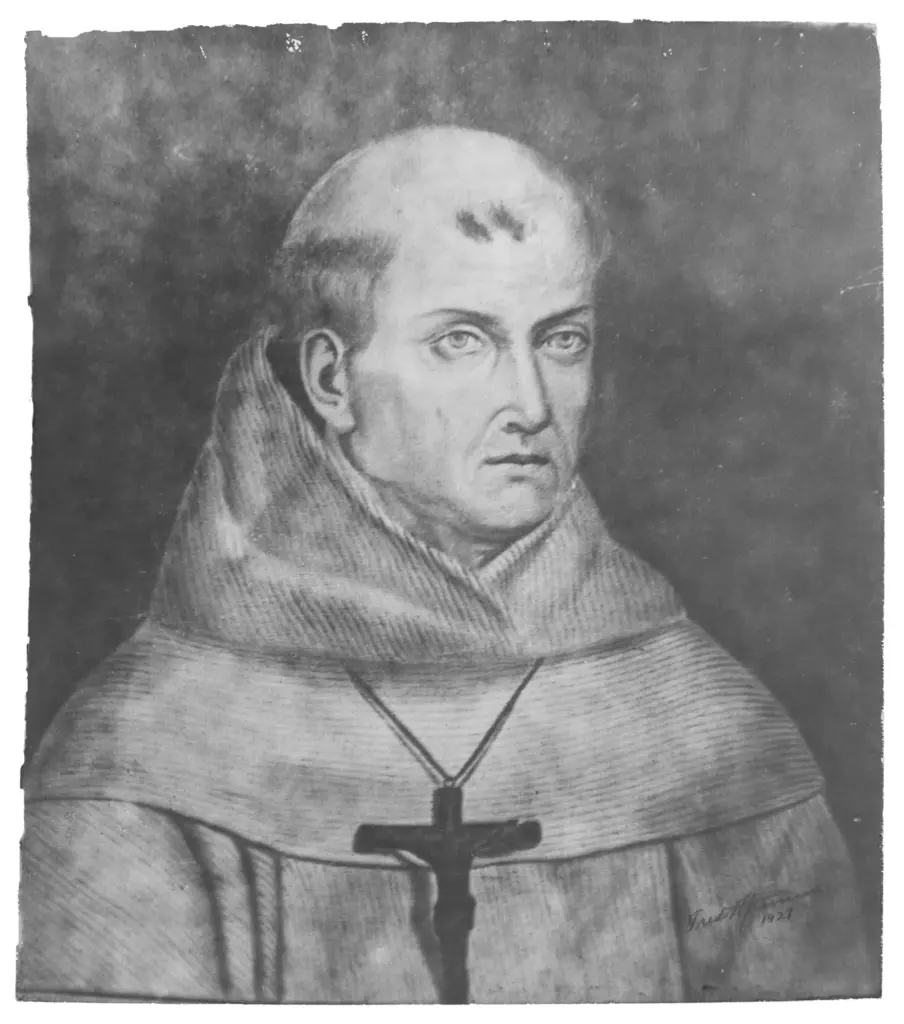 A Father Junipero Serra drawing by Fred Hansen from 1927 is part of the Mission San Juan Capistrano Collection. (Courtesy of Mission San Juan Capistrano)
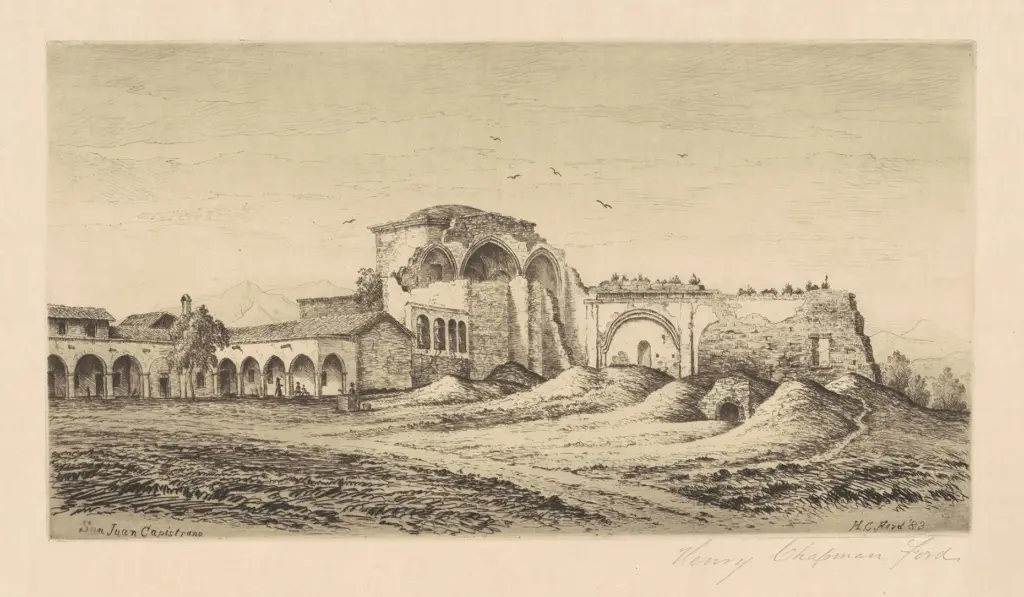 An etching of Mission San Juan Capistrano by Henry Chapman Ford done in 1883 that is on display in the Mission San Juan Capistrano. (Courtesy of Mission San Juan Capistrano)
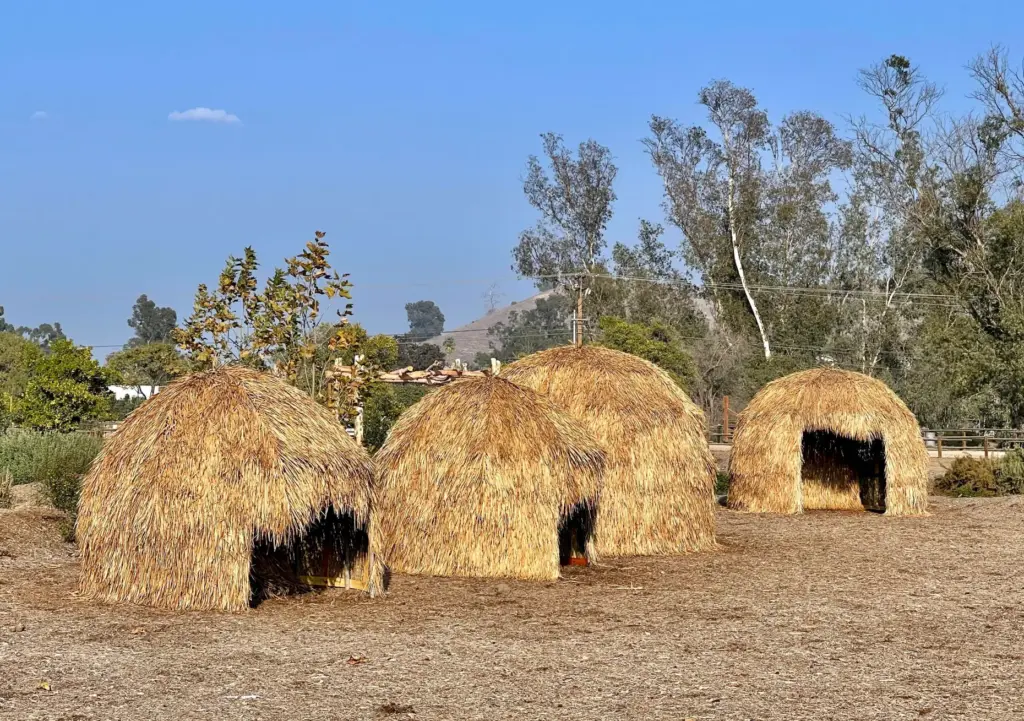 The Village at Putuidem, a 1.5-acre park in San Juan Capistrano, includes an amphitheater area with boulders and log seats, a trail and various depictions of the Acjachemen way of life, including ramadas (a shade structure), kiichas (a thatch home) and manos (a ground stone tool). (Photo by Jeff Gritchen, Orange County Register/SCNG)
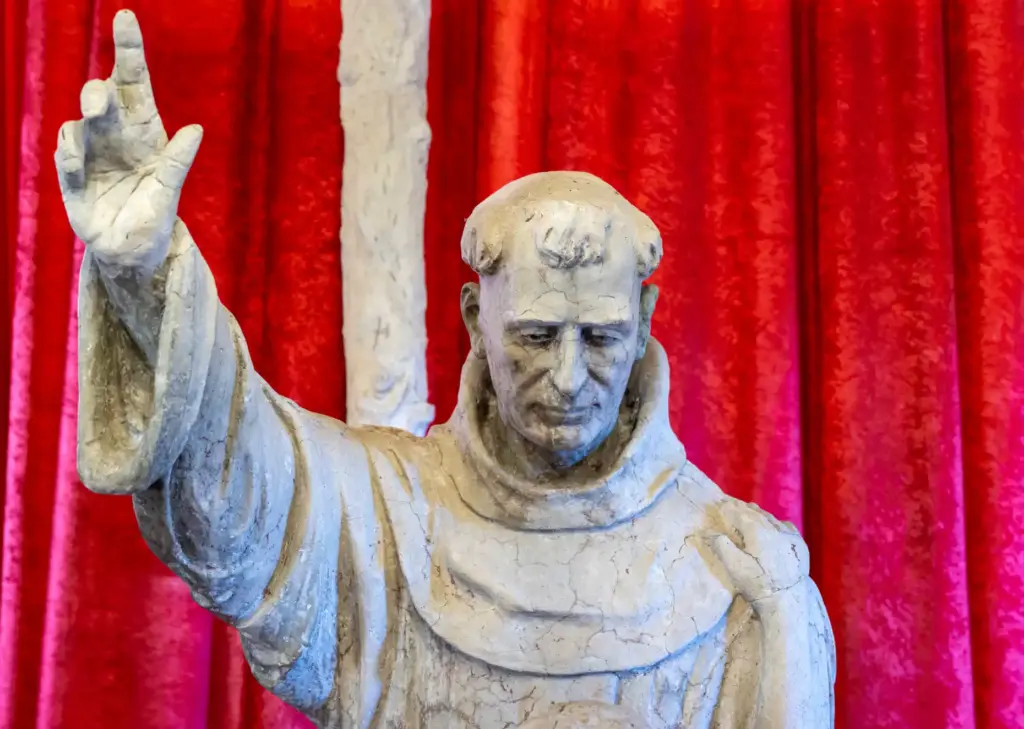 A statue of St. Junipero Serra greets visitors in a gallery at Mission San Juan Capistrano on Friday, June 26, 2026. (Photo by Jeff Antenore, Orange County Register/SCNG)
By 1776, Spaniards had started to explore and map “las Californias,” land that their government had claimed from the sea in the 1500s. Their goal: To build a series of Catholic missions stretching from what is now San Diego to north of modern San Francisco. And, that year, Father Junípero Serra was dedicating the spot for the Mission San Juan Capistrano, in what is today the city of San Juan Capistrano.
The mission would launch a European colonization that, through later wars and treaties, ultimately made California and Orange County part of the United States.
Today, many of the visitors to Mission San Juan Capistrano are school children, and the mission’s executive director, Mechelle Lawrence Adams, said the settlement’s complex history can be overwhelming.
“They can’t understand that first it is indigenous. Then it’s Spain. Then it’s Mexico. Then it’s California. And then it’s the U.S.,” she said.
“I think kids have a hard time with understanding the eras of governance.”
Quick fact: Mission San Juan Capistrano, which is planning its own 250th celebration this year (in November) could claim to be a year older; grounds for a mission were consecrated on Oct. 30, 1775. But following a revolt that year by the indigenous people in the San Diego area, the initial building plan was abandoned. Also, the mission’s site was later shifted — about three miles west of the original plan — because of lack of water access.
But, once built, the mission has thrived on that spot for three centuries, and it remains a vibrant church and a tourist destination in San Juan Capistrano. “Today, you see, through our seven-language multi-audio tour, who we are serving,” said Lawrence Adams.
“The faithful, the weary, the artists, the painters, the families, the senior citizens, the fourth graders…”
That last is a reference to the tradition in California public schools of teaching the state’s mission era history in the fourth grade. Those lessons often call for kids to build replicas of their closest mission.
“I think that people have low expectations when they come to a place like this. They think it will be dusty and old, and (that) we should only save it because it’s old, ” Lawrence Adams said of the mission that is anything but dusty and decaying.
“I think we save it because it has value in its storytelling and connection to the human spirit. And it becomes a place of reflection and remembrance.”
In those early days, as the mission was being built, fewer than 100 Spaniards lived in the area. But even here, the American Revolution was being watched, said Chris Jepsen, president of the Orange County Historical Society.
But following the war wasn’t easy in 1776. Information was sent via written document or word of mouth, and getting the news from Colonial America to Las Californias was done by ship, which meant sailing around Cape Horn, or by land, which meant crossing Mexico and marching up the coast. The lag time was about a year.
But when news did arrive that the American colonists were fighting against the British, Jepsen said it would have been cheered by the Spanish missionaries, soldiers and others who were building a community here.
Read more Orange County SC’s Pedro Guimaraes headed to Bundesliga’s Eintracht Frankfurt
“A lot of these guys that are here, they started out in Spain, or their fathers started out in Spain, and then ended up in Mexico. They have these deep roots,” Jepsen said. “They understood their part, the piece of their role here, is expanding the Spanish Empire.
“And, obviously, sticking it to the British in any way, shape, or form they can,” he added. “That was an ongoing theme; the Spanish and the English not getting along.”
Spanish citizens in the Americas were even required to contribute financially, typically in small amounts, to their government’s efforts to support the American revolutionaries and harass the British, Jepsen said.
That made the success of that American revolution, and the formal end of the war in 1783, “a bit of interesting news” when it reached the people building the mission. Those people Jepsen said, knew “they had some small hand in that.”
“I don’t know that it changes their circumstance here at that point. I don’t think anybody could have predicted the long-range implications for California,” he said. “Who could imagine that these American colonists could grow this new thing into something that would span the continent? I don’t think even the founding fathers could have predicted that.”
The mission’s growth also had long-lasting implications for what would become Orange County.
The Spaniards’ intention to assimilate the indigenous tribes into a European lifestyle and baptize them into the Catholic faith was a clash of cultures. Today, on the mission’s website, the result is described this way: “(It) meant the Acjachemen had to change almost everything about their life. They were required to change their culture, language, religion, work, clothing, food, and even their daily schedule.”
Many died after germs and diseases were introduced. Villages began to disappear.
Before the Spanish arrived, there were some 250 Acjachemen villages in an area that roughly runs from modern Lake Elsinore to Catalina Island, and from Long Beach to what is now Oceanside. The Tongva territory was to the north, reaching into what is now Los Angeles.
Those tribes, and the villages within each, routinely mingled and traded. And pathways to facilitate those connections wove through parts of Orange County and other parts of Southern California long before modern streets and freeways.
“We were a very peaceful people,” said Nathan Banda, tribal chair of the Juaneño Band of Mission Indians, Acjachemen Nation.
“We were free,” he added. “We were living here, thriving, hunting, gathering and living off the land.”
Banda said his “grandfather 10 generations ago” was a “leather jacket soldier that guarded Father Serra, from Mexico to here, to establish the Mission.” And, like many others, he married into the tribe.
And the family has remained in the area ever since, the San Juan Capistrano resident said. Banda said he is the latest in a long line of Acjachemen who have always been the ones to ring the Mission bells.
“We want to make sure everybody knows that we’re still here.”
While the nation celebrates its 250th birthday, Banda said local history — for the original residents of Orange County— runs “a lot longer than that.”
Read more Cameron Carr scores 19, but Lakers routed in California Classic opener
“It’s from time immemorial.”