
By LAURA UNGAR, AP Medical Writer
New York City health officials are investigating a Legionnaires’ disease cluster in two Upper East Side neighborhoods. As of July 6, there have been 23 cases, 17 hospitalizations and no deaths.
Read more Pups get ready to fly at annual Wienerschnitzel Wiener Nationals at Los Alamitos track
The likely source of the bacteria causing this pneumonia is a cooling tower or towers in the area, officials said. These are water systems usually found on the top of buildings that control the temperature of systems such as refrigeration. The city health department is testing all such towers in the area. The affected areas are Carnegie Hill and Yorkville — ZIP codes 10028, 10128, and 10075.
Because it’s not caused by an issue with any building’s plumbing system, officials said, residents can continue drinking tap water, bathing, showering, cooking and using air conditioners, which don’t use water to cool the air. People can’t get the bacteria from each other.
Officials urged residents or recent visitors to the area with flu-like symptoms to contact a health care provider as soon as possible.
Here’s what to know:
What is Legionnaires’ disease?
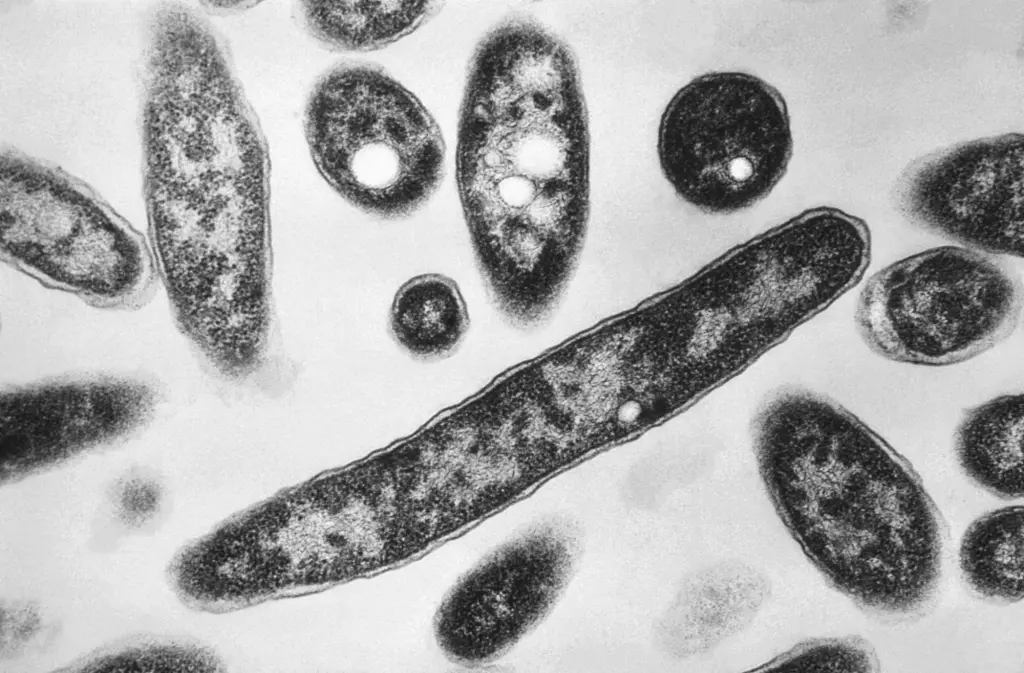
It’s a type of pneumonia caused by Legionella bacteria, which grow in warm water and spread in building water systems. They can be found in places such as showerheads, hot tubs and cooling towers.
People often get it by breathing in tiny droplets of contaminated water. Highly susceptible patients in hospitals can also get it through contaminated water or ice, and babies can be exposed during water births, health officials said.
Symptoms usually develop two days to two weeks after exposure and include cough, fever, headaches, muscle aches and shortness of breath, according to the U.S. Centers for Disease Control and Prevention.
People are at an increased risk for Legionnaires’ disease if they are age 50 or older, smoke or vape, have a chronic lung disease or have a weakened immune system.
Read more Researchers find new weakness in AI chatbots as lawsuits grow
The name comes from an outbreak that hit attendees of an American Legion convention in Philadelphia in 1976.
Is Legionnaires’ disease fatal?
It can be. The CDC says one in 10 people who get sick will die of complications from Legionnaires’ disease.
That’s why it’s important to be diagnosed quickly and treated with the appropriate antibiotics, health officials said.
If untreated, Legionnaires’ disease usually worsens during the first week, the World Health Organization said. Complications can include respiratory failure, shock and kidney or multiorgan failure.
How can Legionnaires’ disease be prevented?
People responsible for the safety of buildings and water systems can reduce the threat by taking steps to minimize the growth of the bacteria, the WHO said. For example, they should regularly clean and disinfect cooling towers, maintain adequate chlorine levels in spa pools, and flush unused taps in buildings weekly.
There are also steps people can take to reduce the risk of Legionnaires’ disease at home. New York health officials suggest draining garden hoses; following manufacturers’ instructions for cleaning and replacing water filters; checking chlorine levels in pools and hot tubs regularly; and flushing hot water heaters twice a year.
The Associated Press Health and Science Department receives support from the Howard Hughes Medical Institute’s Department of Science Education and the Robert Wood Johnson Foundation. The AP is solely responsible for all content.