
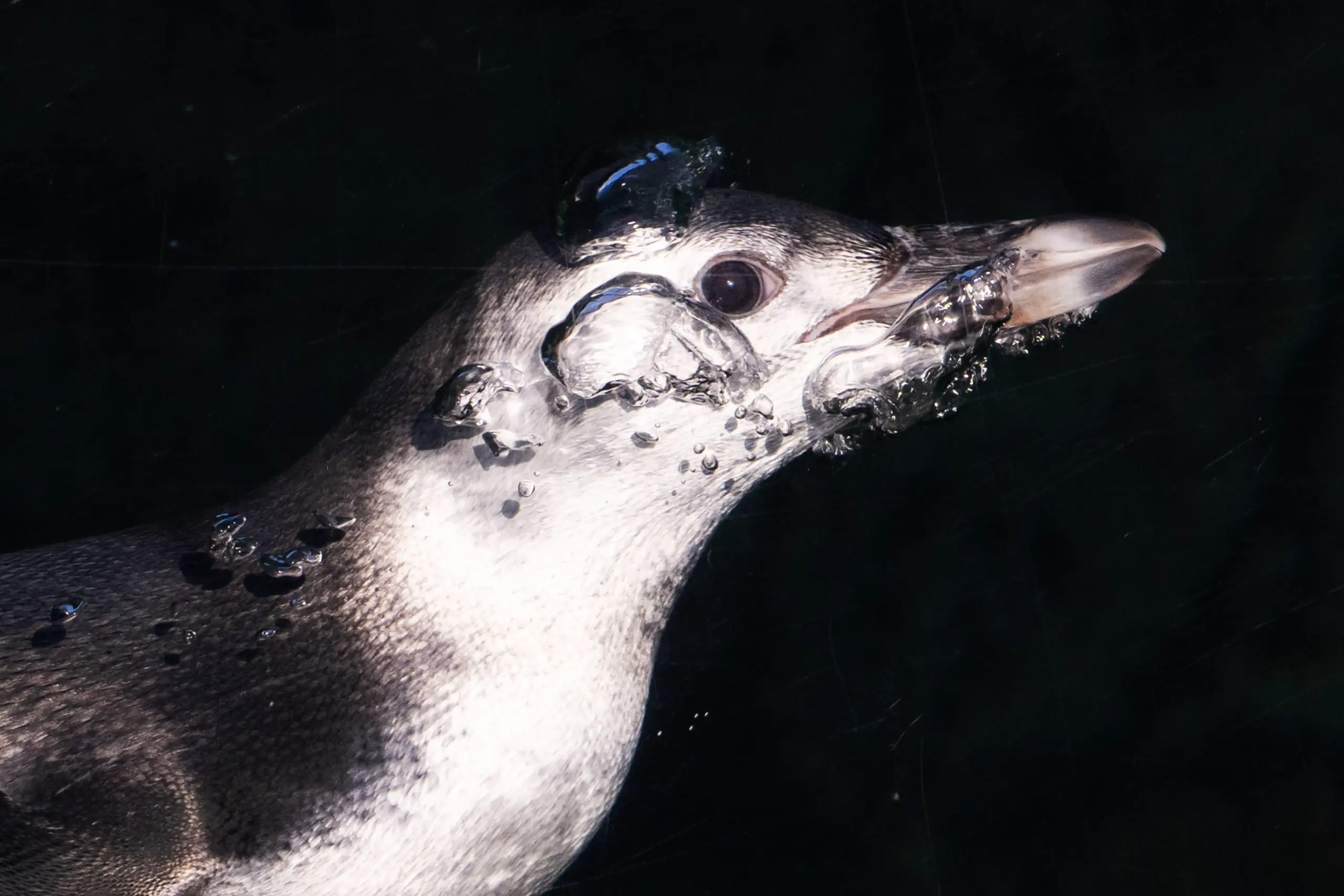
The Aquarium of the Pacific welcomed a Magellanic penguin chick named Ari to its June Keyes Penguin Habitat on Thursday, July 30.
Read more After FBI raids, Ontario mayor wants Alan Wapner off council committees
Ari, a healthy male, hatched on May 9 to Kate and Robbie, two of the original penguins the aquarium received in 2010. The Long Beach aquarium invited media members and special guests to view Ari on Thursday morning for his first full day in the habitat. He met the public when the aquarium opened at 9 a.m.
Ari’s parents, Kate and Robbie, paired up for breeding in 2022. After four years, Ari is their first chick that has been successfully hatched and raised.
Kate and Robbie were rescued from a Brazilian beach in 2010 with three other Magellanic penguins, which are usually found on the coasts of Chile and Argentina. They were likely stranded because of climate change and the penguins’ food sources changing, the aquarium says on its website.
The aquarium received the five penguins and rehabilitated them, but they couldn’t be released back to the wild because of health issues.
“All of them are endangered by climate change and habitat loss,” aquarium CEO and President Jeffrey Flocken said in an interview. “The more excited and inspired people get by penguins like Ari and the other ones here, hopefully, the more they want to be part of the solution of how to help these animals in the wild.”
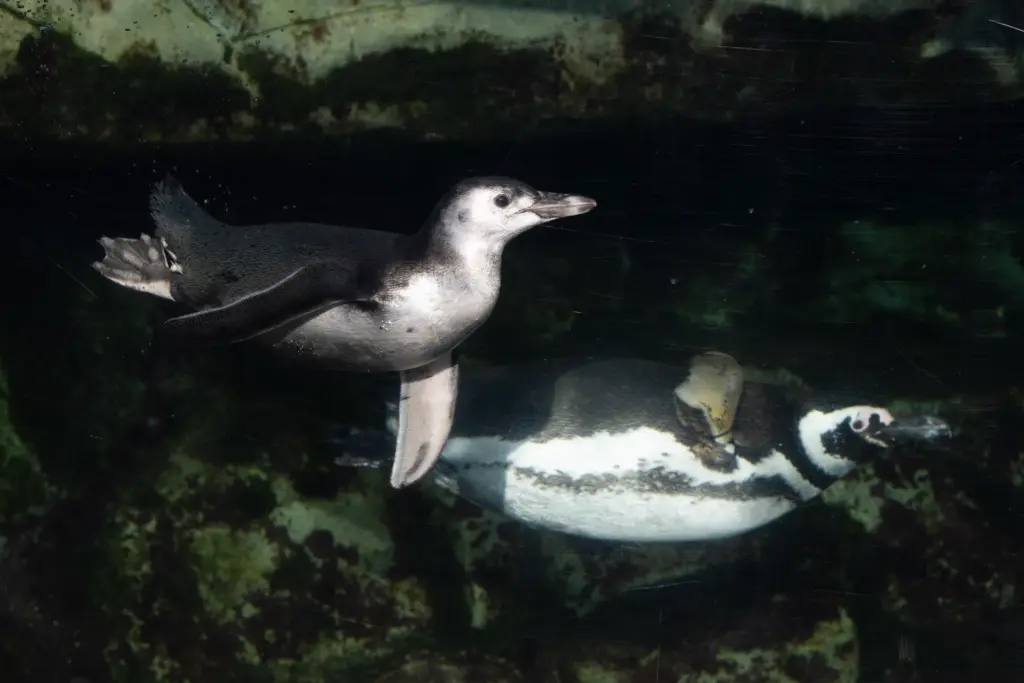 Aquarium of the Pacific introduces Ari, a three-month-old Magellanic penguin chick, to their June Keyes Penguin Habitat in Long Beach on Thursday, July 30, 2026. (Photo by Drew A. Kelley, Press-Telegram/SCNG)
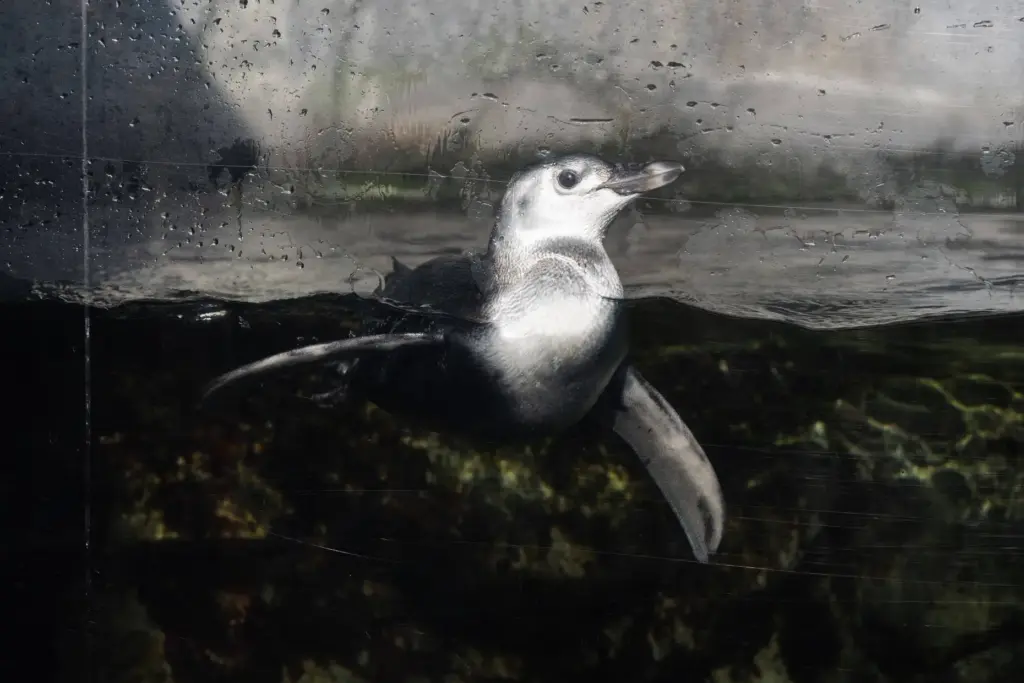 Aquarium of the Pacific introduces Ari, a three-month-old Magellanic penguin chick, to their June Keyes Penguin Habitat in Long Beach on Thursday, July 30, 2026. (Photo by Drew A. Kelley, Press-Telegram/SCNG)
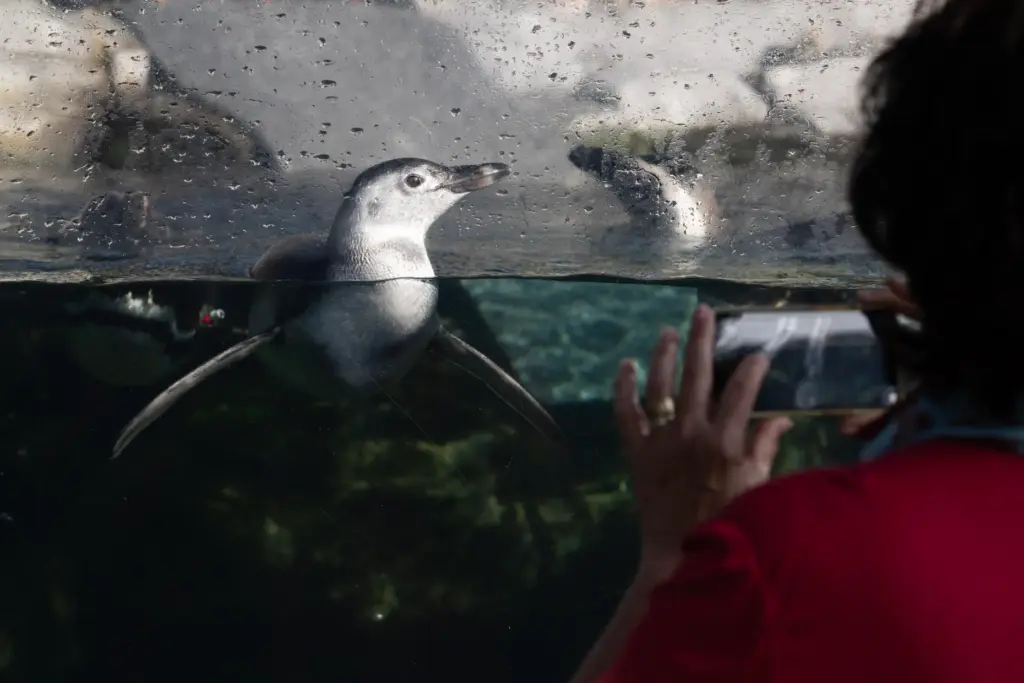 Aquarium of the Pacific introduces Ari, a three-month-old Magellanic penguin chick, to their June Keyes Penguin Habitat in Long Beach on Thursday, July 30, 2026. (Photo by Drew A. Kelley, Press-Telegram/SCNG)
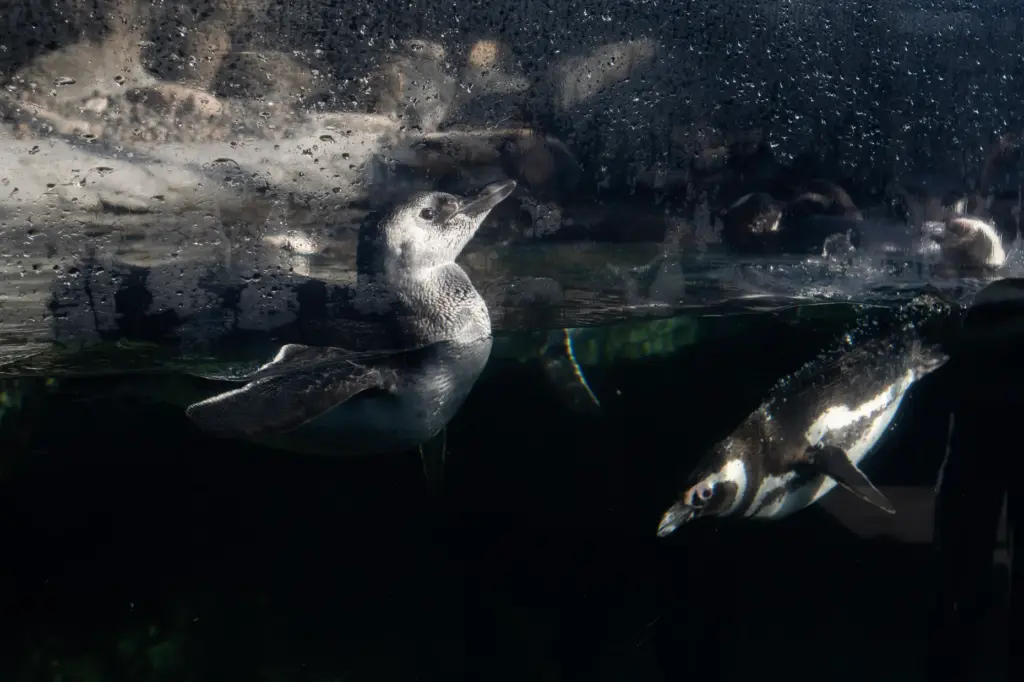 Aquarium of the Pacific introduces Ari, a three-month-old Magellanic penguin chick, to their June Keyes Penguin Habitat in Long Beach on Thursday, July 30, 2026. (Photo by Drew A. Kelley, Press-Telegram/SCNG)
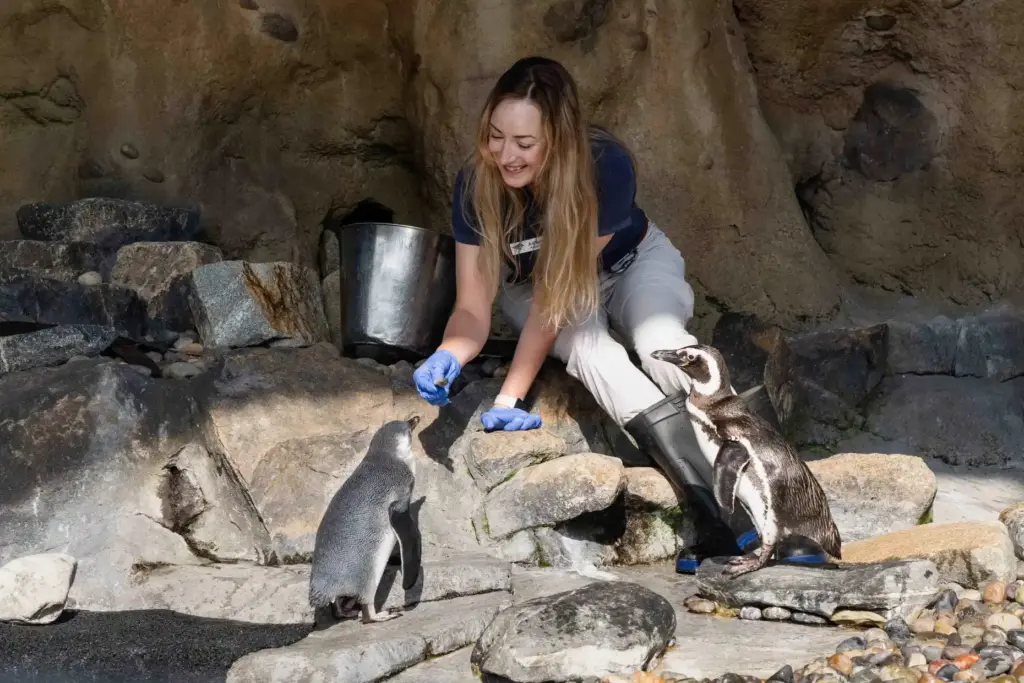 Senior Aviculturist Ashley Loper feeds Ari, a three-month-old Magellanic penguin chick, capelin and herring at the Aquarium of the Pacific in Long Beach on Thursday, July 30, 2026. (Photo by Drew A. Kelley, Press-Telegram/SCNG)
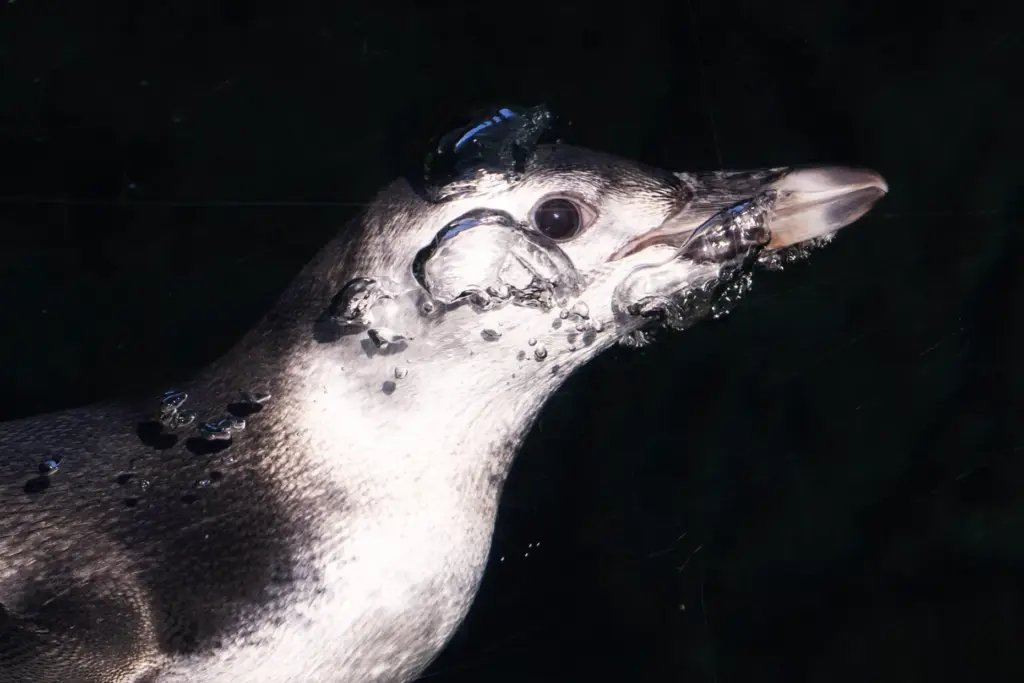 Aquarium of the Pacific introduces Ari, a three-month-old Magellanic penguin chick, to their June Keyes Penguin Habitat in Long Beach on Thursday, July 30, 2026. (Photo by Drew A. Kelley, Press-Telegram/SCNG)
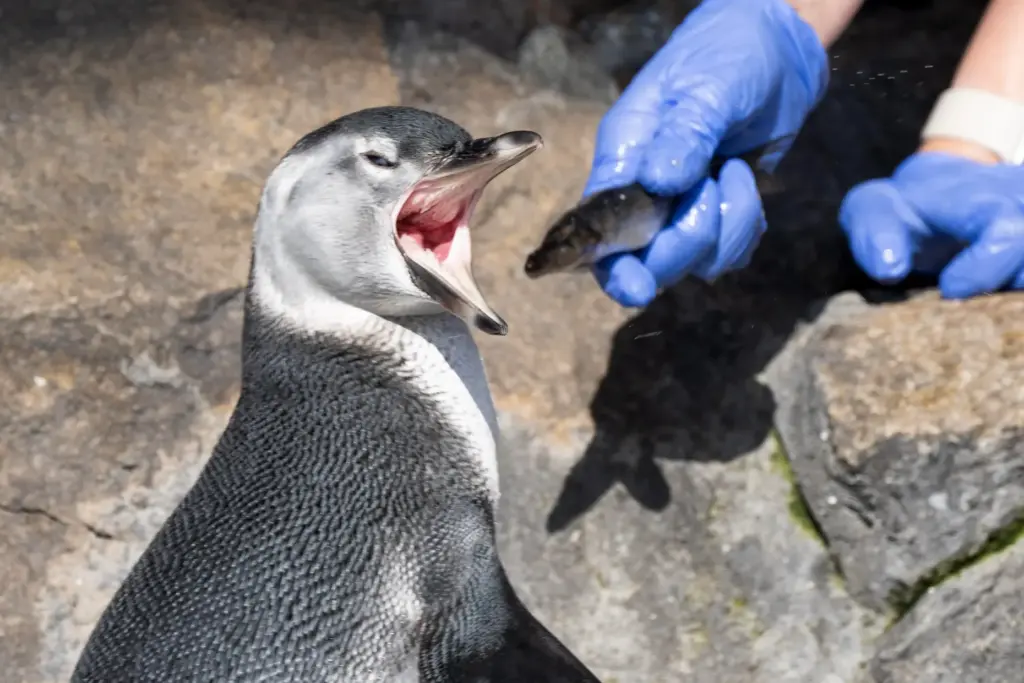 Senior Aviculturist Ashley Loper feeds Ari, a three-month-old Magellanic penguin chick, capelin and herring at the Aquarium of the Pacific in Long Beach on Thursday, July 30, 2026. (Photo by Drew A. Kelley, Press-Telegram/SCNG)
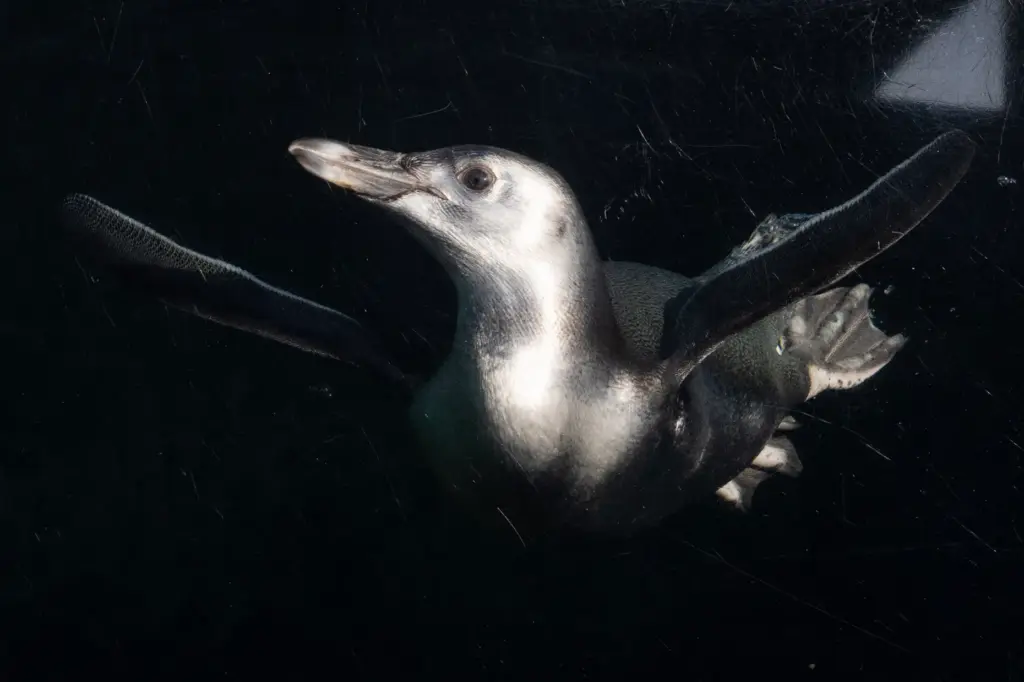 Aquarium of the Pacific introduces Ari, a three-month-old Magellanic penguin chick, to their June Keyes Penguin Habitat in Long Beach on Thursday, July 30, 2026. (Photo by Drew A. Kelley, Press-Telegram/SCNG)
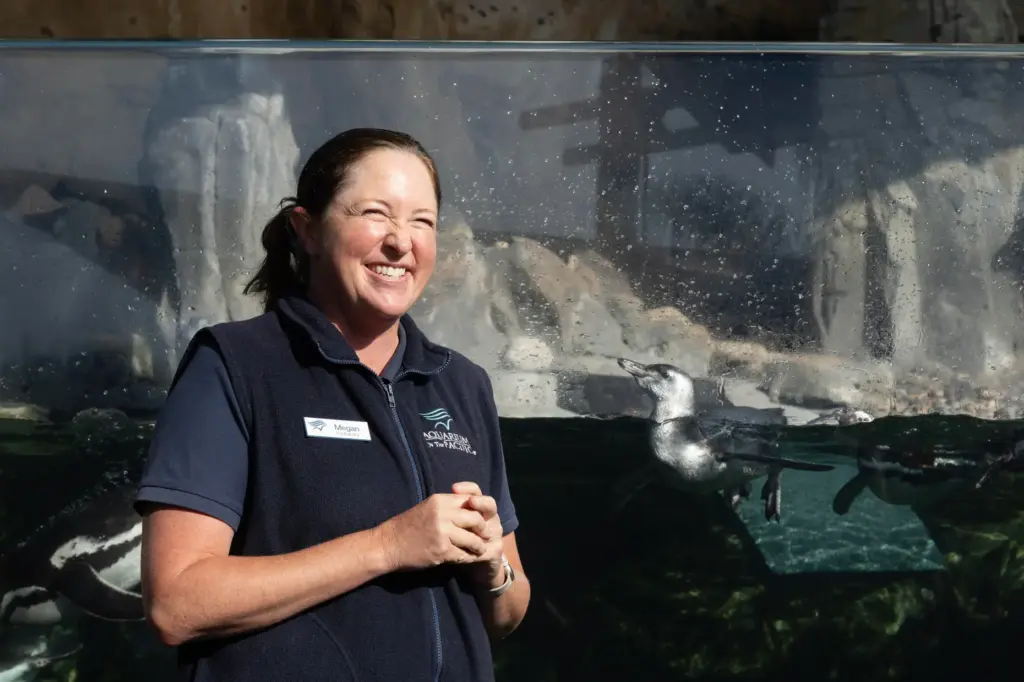 Sea Otter Program Manager Megan Smylie describes Ari, a three-month-old Magellanic penguin chick at the Aquarium of the Pacific in Long Beach on Thursday, July 30, 2026. (Photo by Drew A. Kelley, Press-Telegram/SCNG)
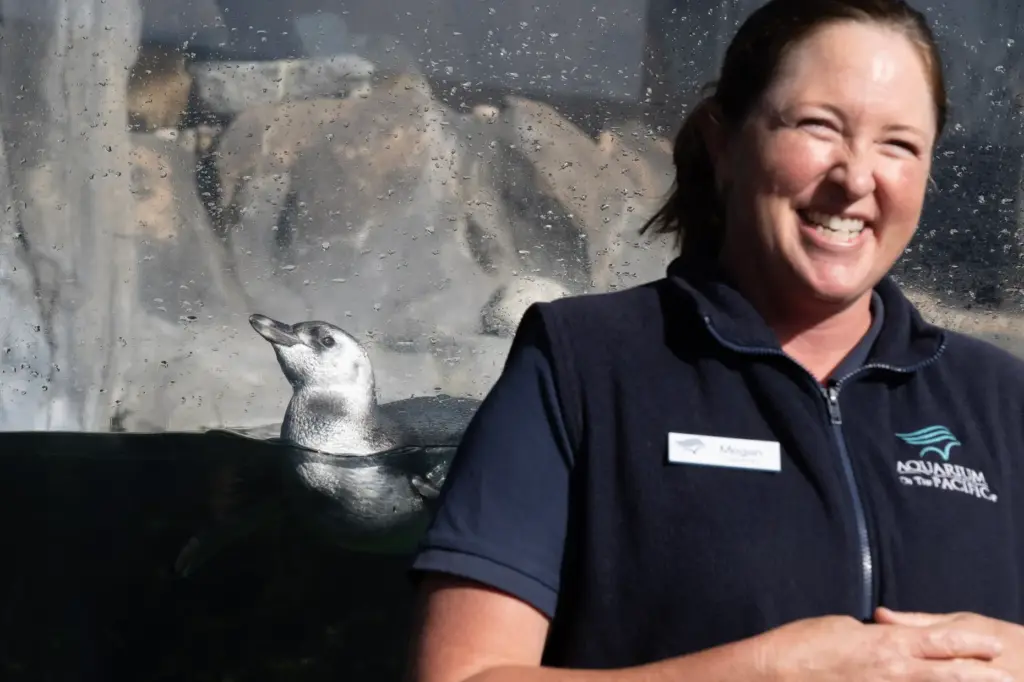 Sea Otter Program Manager Megan Smylie describes Ari, a three-month-old Magellanic penguin chick at the Aquarium of the Pacific in Long Beach on Thursday, July 30, 2026. (Photo by Drew A. Kelley, Press-Telegram/SCNG)
In 2012, the aquarium opened the June Keyes Penguin Habitat and joined the Association of Zoos and Aquariums’ Magellanic Penguin Species Survival Plan. The program supports genetic diversity among Magellanic penguins, and participating aquariums share animals for breeding to ensure a healthy population.
Craig Singer, a longtime aquarium volunteer, and his wife, Kate, are also donors, and Ari is named after their daughter. A retired aquarium scuba diver, Craig Singer now cleans the habitats, feeds the animals, leads the education team and works on the whale watching boat.
“My name is Kate, and the mother penguin’s name is Kate, so when she had a chick, I said I’d make a donation if you give me the honor of naming the chick,” Kate Singer said in an interview. “(Our daughter is) very excited about her new brother.”
Three months old and almost fully grown, Ari is trading his fluffy chick down for sleek waterproof feathers. He’s not quite there yet – he stands out from the other penguins with his silver sheen and smaller size. Adult Magellanic penguins are 24 to 30 inches in length.
“There’s some curiosity there,” said Ashley Loper, an aquarium senior agriculturist and bird keeper. “If he runs into them, some of them might give him a gentle correction, little peck. We have a couple that are choosing to hang out near him, and I think maybe show him the ropes.”
Penguin chicks are not waterproof when they hatch, and they’re fuzzy for about their first two months. Ari has been swimming for a couple of weeks. He’s still building swimming muscle, Loper said, but he quickly mastered diving, bathing and swimming.
Read more Rams WR Puka Nacua’s most important stats: accountability and change
“He makes some baby social mistakes sometimes,” Loper said. “He at first was swimming against the direction everybody else was swimming and bumping into some other penguins.”
Chicks learn to swim and participate in feedings in the aquarium’s penguin nursery. When Ari started fledging, losing his baby feathers, Kate and Robbie rejoined the other penguins while aquarium staff supervised him, Loper said.
Ari’s separation from his parents mirrors their behavior in the wild, Loper said. Penguin parents brood their chicks after they hatch, and the babies stay on the nest from nine to 17 weeks. About 10 days before the chicks fledge, the parents stop feeding them.
During the press viewing, Ari spent most of his time at the front of the habitat. He dove below the water and bobbed up, pressing up against the glass. As photographers clicked away, Ari tossed his head and shook his feathers.
“Ari is quite the charmer. He’s very interested in what’s going on,” Flocken said. “He’s clearly relishing the attention today, so he might end up being one of our diva penguins.”
After Flocken and sea otter program manager Megan Smylie gave remarks, Loper entered the enclosure to feed the penguins. They honked excitedly and waddled up to Loper for capelin and herring, which they swallowed whole.
Ari swam around as the other penguins clambered out of the water for fish. Realizing it was feeding time, he hovered uncertainly at the edge of the water. His mother pecked at him, and another penguin pushed him out of the way.
Less assertive than the older penguins, Ari waited patiently for his turn. When Loper tried to feed him, he shook his head and refused the fish she offered. Aquarium staff said that Ari doesn’t yet have a preference for a type of fish, and he sometimes would rather continue having fun than stop to eat — just like any kid.
The aquarium’s penguins are identified with color-coded beads on their wings. Kate’s colors are white, black and red, and Robbie’s are white, white and blue. The top contender for Ari’s colors, Loper said, are a mix of his parents’ — red, white and blue.
The penguins are ending their breeding season and approaching their annual molt at the end of August. In the wild, they would forage in the ocean to build up fat reserves and gain back the weight they lost while raising chicks. Instinctively, the aquarium’s penguins are spending more time in the water this time of year, so visitors can see them swimming and socializing.
Read more Video: Body camera footage released in police shooting of 15-year-old Santa Ana boy