
By QASSIM ABDUL-ZAHRA
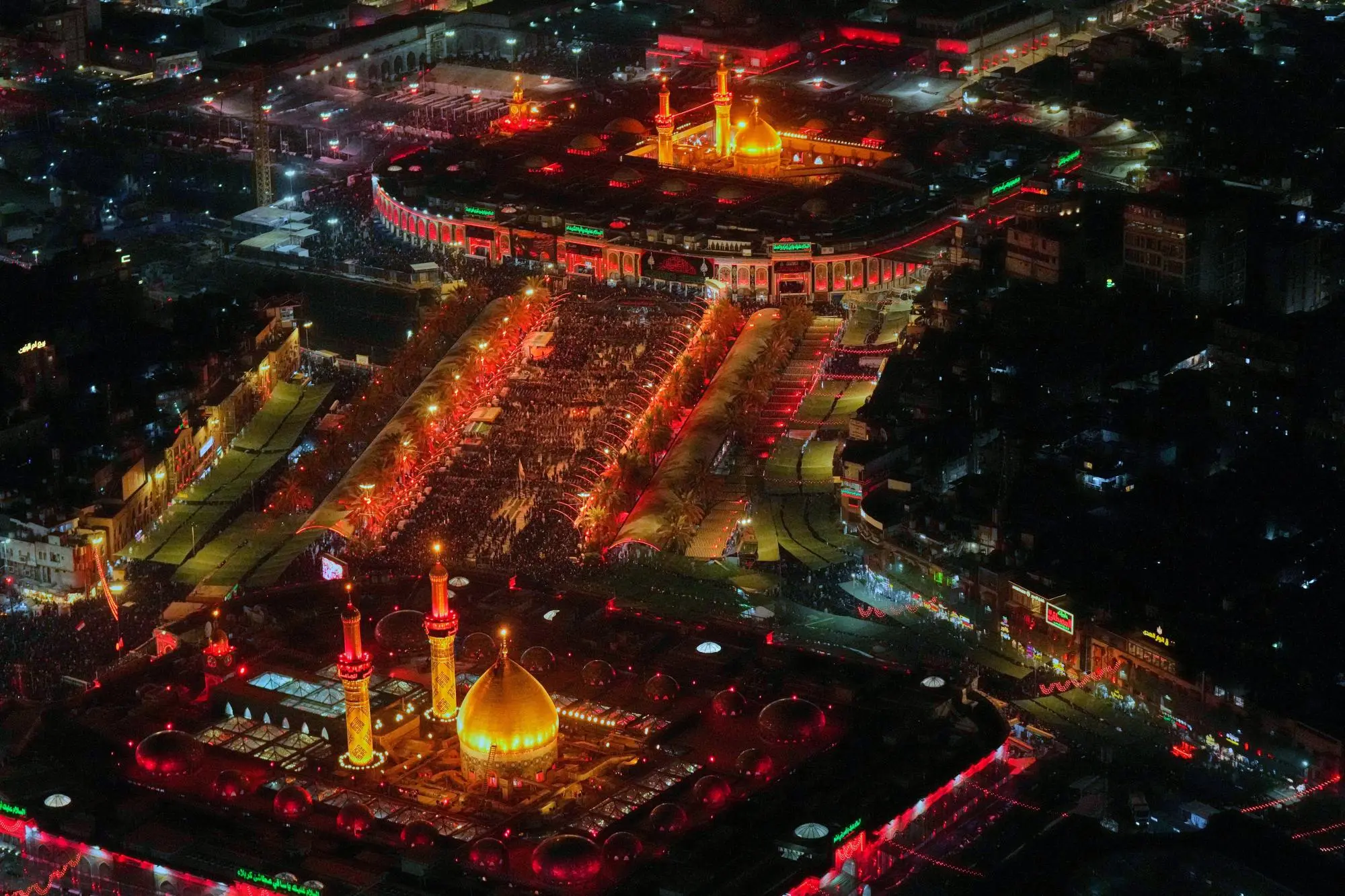
BAGHDAD (AP) — Millions of Shiite Muslims observed the annual Arbaeen pilgrimage Tuesday in the Iraqi holy city of Karbala, under the shadow of ongoing regional tensions and fears of another round of escalation in the U.S.-Iran war.
Read more Guatemala evacuates villages due to an eruption of the Fuego volcano
Arbaeen is held 40 days after Ashoura, which commemorates the killing of Imam Hussein, grandson of the Prophet Muhammad, and members of his family, at the Battle of Karbala in 680 A.D.
Karbala Gov. Nasseif Jassim al-Khattabi said Tuesday that more than 22 million people entered the city during the pilgrimage, including about 5 million non-Iraqi visitors as well as Iraqis from different regions of the country.
The event is considered one of the world’s largest annual religious gatherings.
Among the highest-profile foreign visitors was Iranian Foreign Minister Abbas Araghchi, who arrived in the Iraqi city of Najaf on Monday and continued on to Karbala to take part in the pilgrimage.
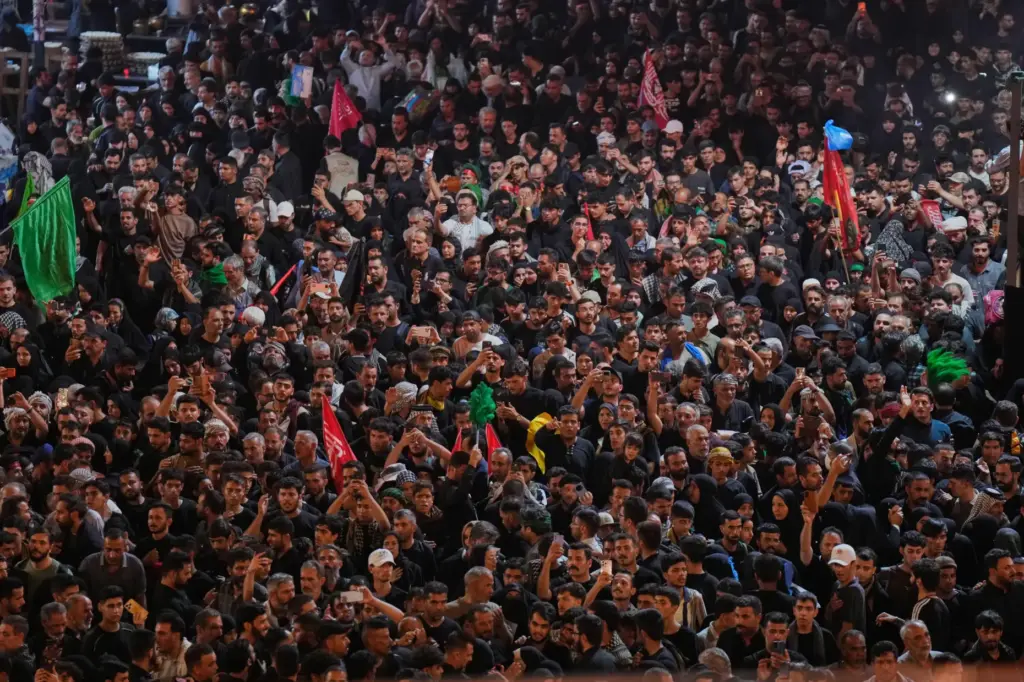 Shiite worshippers gather between the holy shrines of Imam Hussein and Imam Abbas, ahead of Arbaeen, the annual Shiite commemoration marking 40 days after Ashoura, at the Imam Hussein Shrine in Karbala, Iraq, Monday, Aug. 3, 2026. (AP Photo/Hadi Mizban)
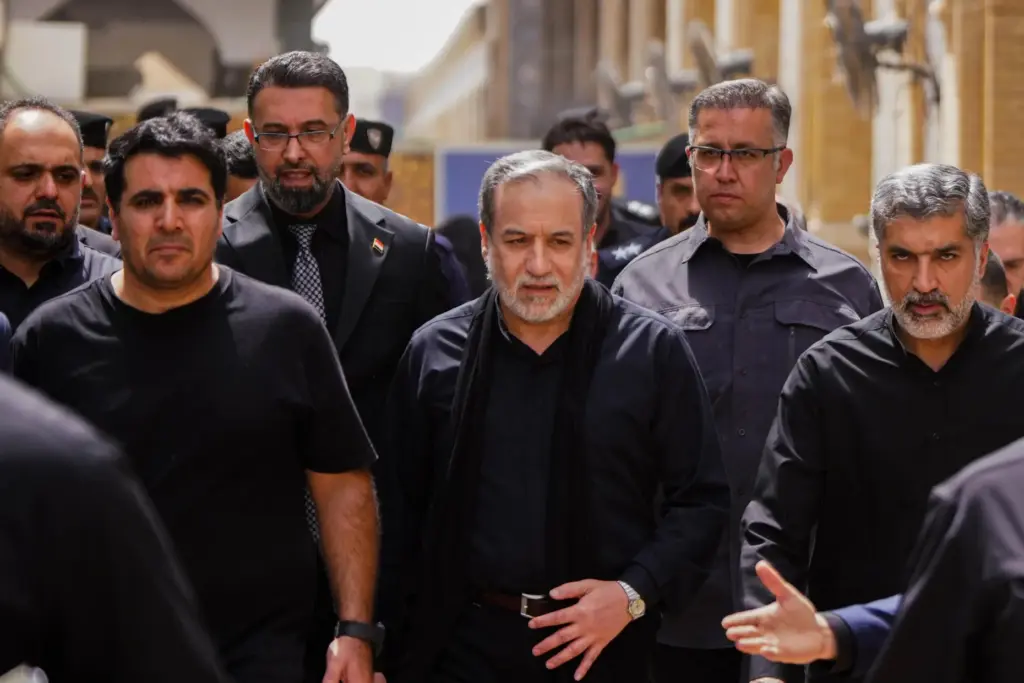 Iranian Foreign Minister Abbas Araghchi, center, is surrounded by security personnel as he walks during the Arbaeen commemoration in Najaf, Iraq, Monday, Aug. 3, 2026. (AP Photo/Anmar Khalil)
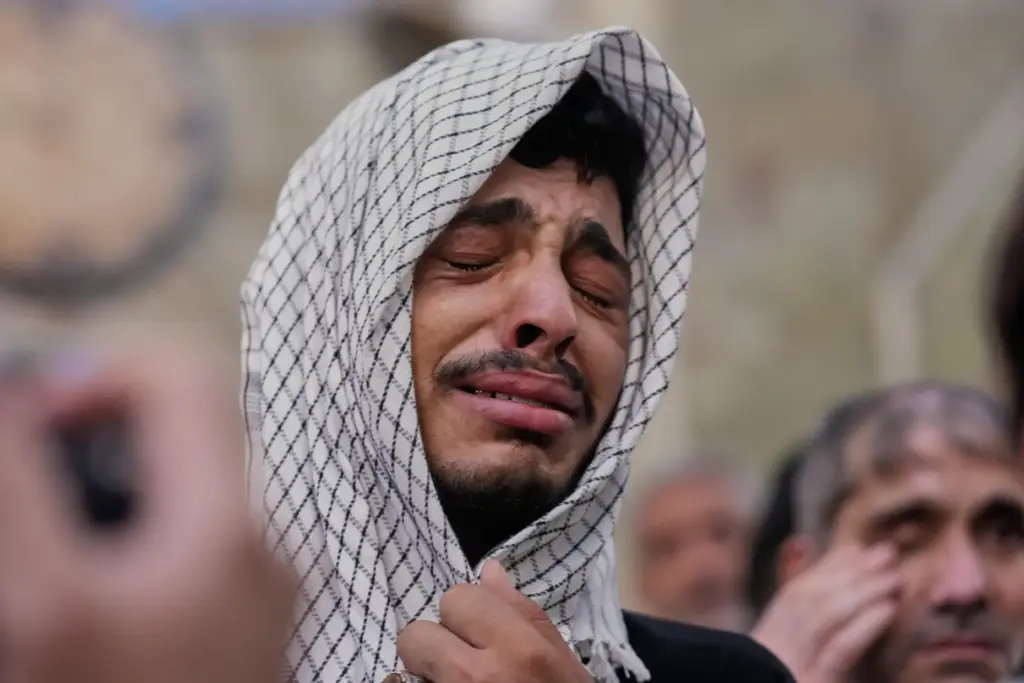 An Irani Shiite Muslim weeps as he prays inside the holy shrine of Imam Abbas ahead of the Arbaeen festival in Karbala, Iraq, Sunday, Aug. 2, 2026. (AP Photo/Hadi Mizban)
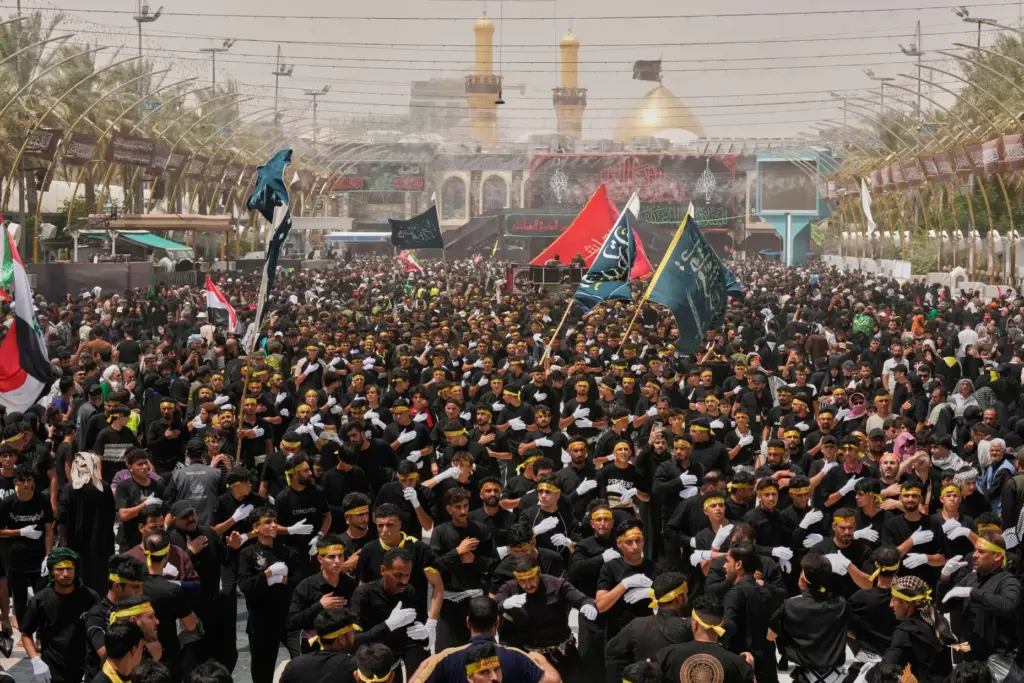 Shiite Muslim worshippers march toward the Imam Hussein Shrine ahead of Arbaeen, the annual Shiite commemoration marking 40 days after Ashoura, in Karbala, Iraq, Monday, Aug. 3, 2026. (AP Photo/Hadi Mizban)
Araghchi’s presence was a reminder of the delicate balancing act that Iraq — which has close ties to both Washington and Tehran — has carried out since the beginning of the war. Iraq has found itself in the crosshairs of both sides and has sought to avoid getting pulled further into the conflict.
As usual, Iranian pilgrims arrived in large numbers, but some observers said the number of pilgrims from other countries had shrunk.
Aqeel al-Rubaie, 45, a pilgrim from Baghdad who was on his way to Karbala, said Iranian flags were particularly visible along the Najaf-Karbala road, while there were fewer flags than usual from European, Arab and other Islamic countries.
He attributed this to “the war and the events unfolding across the region, which have affected the number of Arab and foreign pilgrims.”
Another pilgrim from Baghdad, Hassan al-Sarai, 35, said, “I hardly saw any flags other than Iranian ones, which were clearly visible along the road as well as inside and around the city of Karbala.”
Read more Leonardo DiCaprio and Jeff Bezos lead $200M project to save 100 of globe’s most threatened species
Volunteer processions providing food, water, medical care and other services lined the roads leading to Karbala from across Iraq.
The pilgrimage is taking place this year as Iraq faces difficult economic conditions following the war and the closure of the Strait of Hormuz, which has disrupted Iraqi oil exports. More than 90% of Iraqi state revenues come from oil exports, making the country’s economy highly vulnerable to any interruption in crude shipments.
It also comes as Baghdad is wrestling with a difficult task it has set for itself: disarming the country’s network of militias, many of them Iran-backed.
One of the most powerful Iran-backed militias, Kataib Hezbollah, said in a statement marking the occasion of Arbaeen that it rejects calls to disarm and remains committed to retaining what it described as the “weapons of the resistance.”
Meanwhile in Iran, many observant Shiites unable to make the pilgrimage to Karbala held their own observances, which sometimes took on a political tone.
In the capital, Tehran, black-clad mourners rallied along a nearly 20-kilometer (12-mile) route to a Shiite holy shrine in the south of the city from a starting point in the central part of the city.
The mourners chanted slogans seeking retaliation for the killing of Supreme Leader Ayatollah Ali Khamenei in strikes by the U.S. and Israel, while some demonstrators trampled on U.S. and Israeli flags.
Read more The not-so-secret filibuster society
State media said similar rallies were held in other Iranian cities and towns.
Associated Press writer Nasser Karimi in Tehran contributed.