
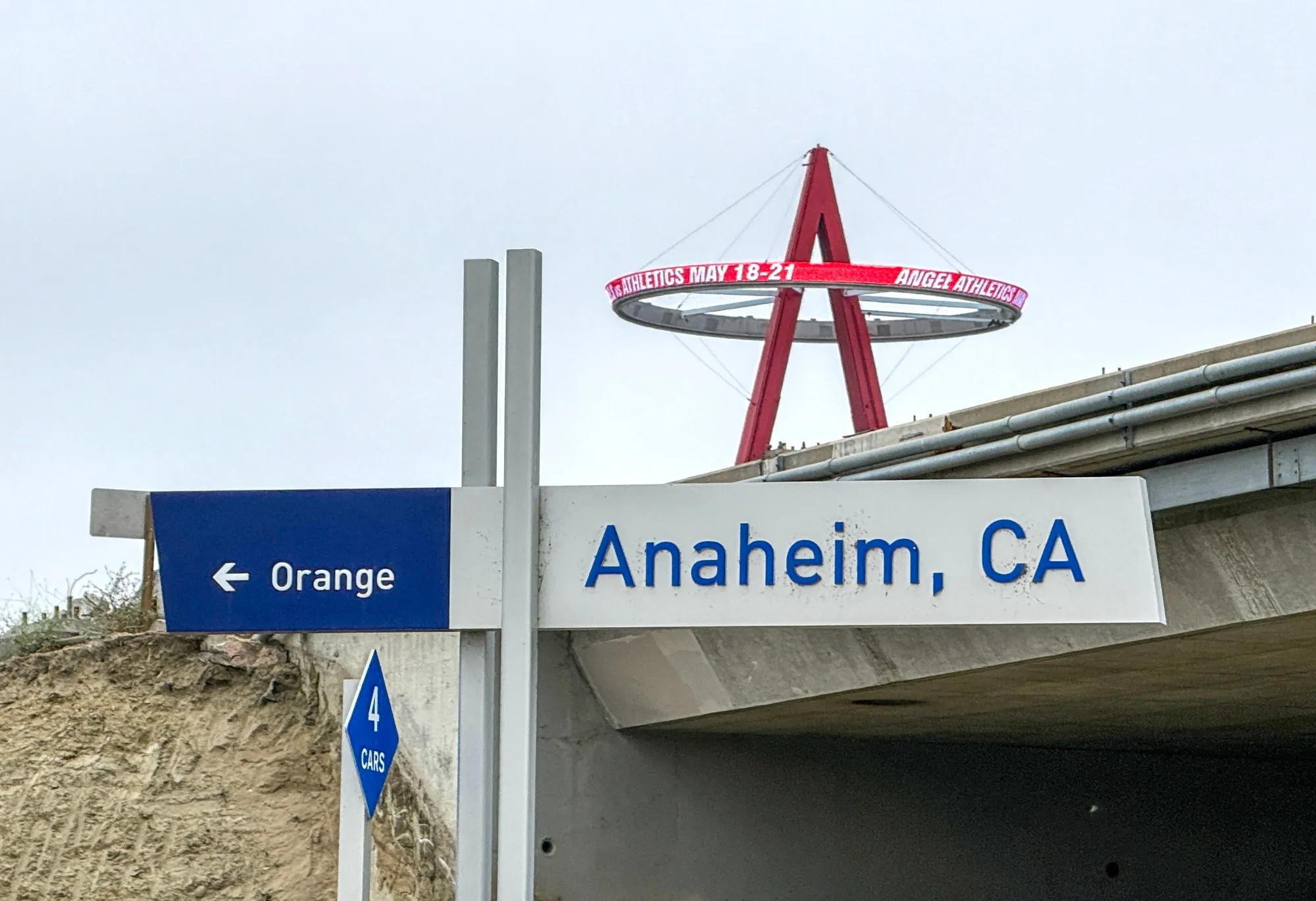
Anaheim city leaders have shelved the idea of a tax targeting certain Uber and Lyft trips in the city’s tourism districts.
Read more Detroit could regain Black voice in Congress with Thanedar’s tumble in 13th District race
The tax measure — which would have proposed a 10% charge on rideshare trips originating or ending in Anaheim Resort — was proposed for the November ballot, but councilmembers recently said not at this time.
The measure would have raised Uber and Lyft costs roughly $2 per trip on average for rides within non-residential areas of the Disneyland resort district and Platinum Triangle, which encompasses the Angel Stadium, Honda Center and Grove of Anaheim, according to a staff report. Anaheim councilmembers were hesitant to move forward with the vote over concerns about how the tax might impact local community members.
“I do think there’s merit in continuing the conversation and working together with all of the different stakeholders to see if there’s something that we might be able to move forward with in the future, but right now I share those concerns of making sure that we’re not adversely affecting our residents or our workers,” Councilmember Carlos Leon said at the council’s July 28 meeting.
The City Council first identified a transportation network tax as a potential form of revenue during a Strategic Plan workshop it held in December to explore new funding sources.
City officials voiced a desire to minimize impact on Anaheim residents and workers, while targeting areas of high tourist attraction, according to interim City Manager Greg Garcia. To account for residents or resort workers visiting any of the tourist districts, trips starting or ending in a residential area would be exempt from the tax, according to the staff report. However, council members still had questions about the feasibility of implementing such a tax and differentiating between residents and tourists.
“If it’s a large percent of hotel workers or resort area theme park workers that do rely on (rideshare), I think that’s just a piece of information I’d like to know,” Mayor Ashleigh Aitken said. “That would change the way I view this.”
Without a way to guarantee that local workers would be protected from the extra cost, Leon said the proposed tax could be an obstacle for the resort area’s essential workers.
Read more Texas judge rules that law regulating firearm suppressors and some guns can’t be enforced
“I think for someone that is visiting, a $2 charge on average isn’t going to make them decide whether or not to take a rideshare — that’s my personal opinion,” Leon said. “I don’t think that’s going to break the bank, but for a worker that does rely on this to get to and from work, those $2 start to add up.”
The proposed measure drew inspiration from other California cities, such as San Francisco and Berkeley, which have already implemented citywide programs imposing a tax on rideshare trips. Staff also looked at existing transportation tax programs in other major U.S. cities, including New York City and Chicago, and those specifically targeting airports.
Staff estimated that roughly 1.5 million rides to and from the Anaheim Resort and 240,000 rides to and from the Platinum Triangle would have generated approximately $3.6 million annually — tourism is the city’s primary source of revenue.
City spokesperson Mike Lyster said the city of Anaheim receives about 65% of its revenue from visitors attending local theme parks, convention centers, and sports and entertainment venues.
Though the city doesn’t currently impose any additional or city-specific tax relating to tourism beyond its hotel room tax, Councilmember Ryan Balius raised concerns over how the rideshare tax might deter tourism.
“The visitors who come here are already paying a high price to be here between the hotel tax, which is already one of the highest around, and everything else they spend their money on,” Balius said. “I just don’t think it’s a good idea to keep reaching into their pockets.”
While the rideshare tax would have aided the city in closing its budget deficit, Lyster said the expected revenue wouldn’t have made a significant dent in the city’s overall general fund of about $600 million. Plus, the city’s investment in other economic development avenues, such as the incoming entertainment district OCVibe, will enable the city to fulfill its financial goals over the next year.
Read more UFC 331 will feature Van vs. Pantoja for flyweight gold