
By CHEYANNE MUMPHREY, AP Education Writer
FLAGSTAFF, Ariz. (AP) — Parent-teacher conferences can conjure a familiar scene: adults crammed into child-size chairs, listening to teachers run through a list of students’ achievements and struggles.
Read more WHO says Congo’s Ebola outbreak is on track to surpass the deadliest one in history
For many families, they can also mean frustration. Today’s school conferences are sometimes 15 to 20 minutes, with little time for parents to ask their own questions. Adults may arrive with their own baggage about their time in school. They may be worried about being judged or dreading what a teacher may say about their child.
For teachers, conferences can mean pressure to give a snapshot of a child’s progress, with the next opportunity to connect months away — if at all.
The conference may be brief, but it can set the tone for a family’s relationship and partnership with the teacher. Parents, teachers and school administrators have these tips to make the conference productive and help build a stronger connection between home and school.
Communicate early and figure out what works
Schools typically offer several early opportunities for parents and teachers to connect, from meet-the-teacher events and back-to-school nights to open houses. By the time conferences are on the calendar, parents and teachers should already be communicating.
But sometimes it can take weeks, or even months, to hear from your child’s teacher, who must establish relationships with dozens of families. Don’t wait, say parents and teachers alike. Take the initiative and reach out yourself.
“Do you want to set your child up for success? It’s a yes or no. And if it’s a yes, then you have to be very involved,” said Bell White, a Houston mother of two.
When her son Lennox, now 8, was in preschool, four teachers came and went during the school year. White quickly learned how important it was to stay engaged with the school.
Since then, she has introduced herself to each of her son’s teachers at the first opportunity, even if virtually. She tells them how she prefers to communicate — whether over email, phone or via a school app — and when she’s most reachable.
Technology can make it easier for parents with multiple children or busy schedules to stay connected and for teachers to send quick messages or reminders. But with schools using multiple platforms, some parents say it helps to establish a preferred way to communicate.
Early in the relationship, parents and teachers should focus on building trust, said J.B. Robinson, a clinical psychologist and dean of students at National University in San Diego. Positive interactions are like putting money into a relationship bank that can be drawn on when challenges arise, he said. For parents, that can mean showing interest in the classroom and recognizing the effort that goes into creating a positive learning environment. Teachers can similarly begin with questions about the individual child, rather than immediately moving into classroom expectations or academic performance.
Whatever the nature of your first communication with a teacher, try not to worry that you’re bothering the teacher. Your child’s growth is the priority, and communicating with you is part of the teacher’s job.
Make the time count
Parent-teacher conferences are designed to address students’ academic and social progress, identify concerns and discuss what comes next, but there may not be time to cover everything parents or teachers want to discuss.
“The teacher and the parent need to go in with realistic expectations as to what can actually be accomplished in one parent-teacher conference and see that more as a starting point for a conversation,” said Robinson, the psychologist.
The meetings can also be ripe for tension. Teachers may be having dozens of back-to-back conferences, while parents may arrive with weeks’ worth of questions, all seemingly valid. Depending on the school and the child’s grade, some teachers follow a set agenda, with presentation slides, packets or lists of topics to cover.
Read more Thousands flee yearslong drought in Somalia as hunger deepens and aid shrinks
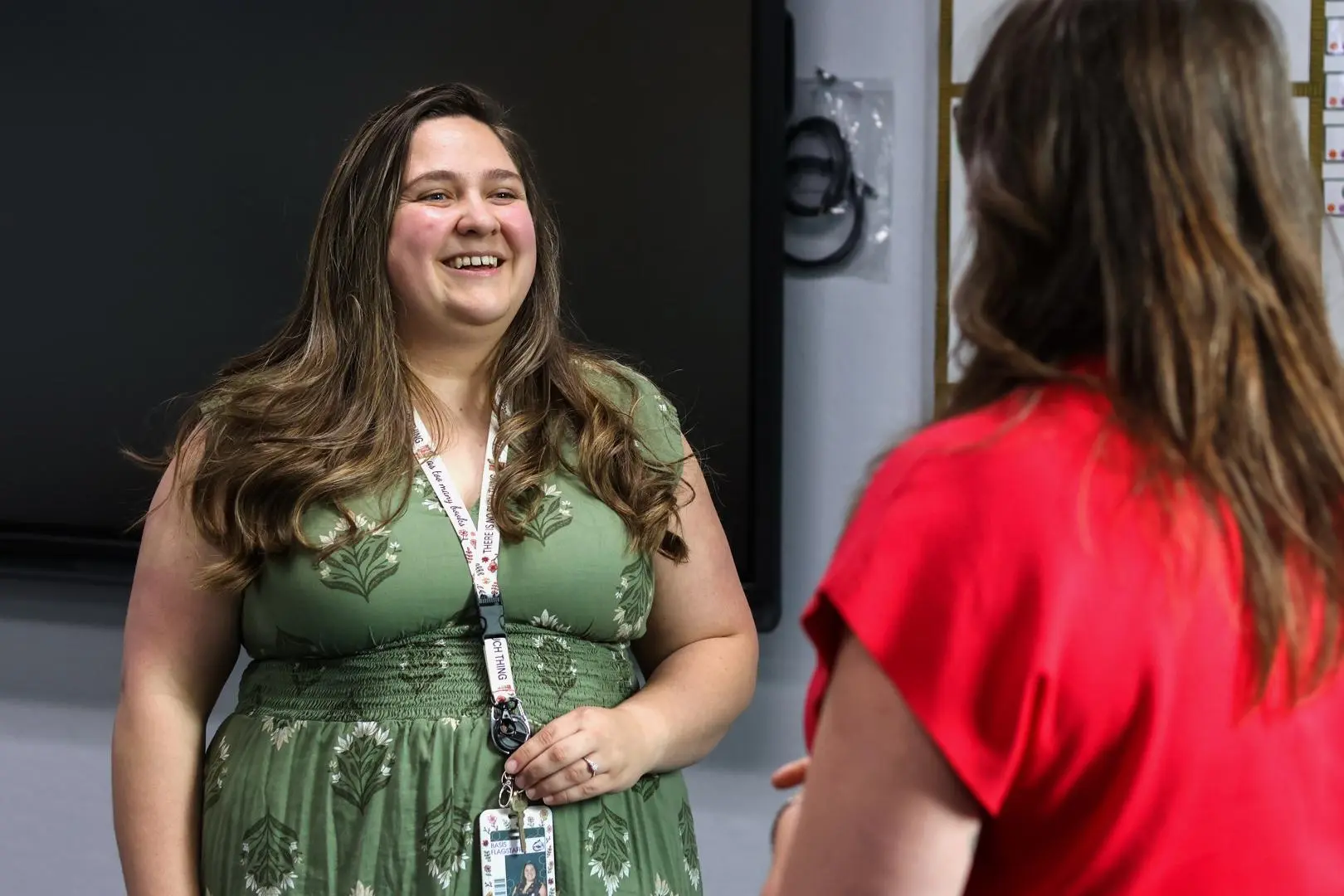
Emily Henderson, who teaches first and second grade at BASIS Charter School in Flagstaff, Arizona, says her conversations are mostly individualized, with some focusing more on academics and others on social-emotional needs.
“We use parent-teacher conferences to really talk about strengths, talk about weaknesses of students, and then come up with a plan together to address those concerns or address those needs,” Henderson said.
Given time constraints, parents should come with just a few thoughtful questions, teachers say. But remember this is a starting point. It’s totally reasonable to set up another conference later in the year, even if your school doesn’t have one scheduled. Or you can continue the conversation online or over the phone.
What to do if your kid is present
Some schools recommend that students join the conference, and in other cases, a parent may want to bring them along — or need to, if they lack child care. For younger students, teachers recommend asking in advance whether they should attend, if that is an option. If you do plan to bring the student or younger siblings, let the teacher know ahead of time so they can prepare for a more engaging meeting or set up a few distractions.
If younger students are present, it is up to administrators and teachers to engage them and speak directly to them, said Kellie Hintze, head of school at BASIS Flagstaff.
“When I have younger students at a meeting, we typically have a mini meeting with the student and the parent,” she said. “Then we can dive a little deeper or have those long, drawn-out conversations that a student wouldn’t want to be a part of or be able to focus through.”
Older students have more agency over their learning and are better positioned to contribute to discussions about their progress, challenges and possible next steps, experts say.
“We’re doing students a disservice when we’re not teaching them how to advocate, when we are not teaching them those communication skills, to have the tough conversations when they need to be had,” said Kendrick Friendly, who is a high school assistant principal with Denver Public Schools. “This is a safe space for those conversations to happen.”
Questions to consider
Parents don’t need to arrive with a long list of questions. A few thoughtful ones can help clarify what a teacher considers success, what they are seeing in the classroom, what support is available and how to stay connected throughout the year.
Consider asking:
1. How do you prefer to communicate with parents, and how often should we check in?
2. What does success look like for my child this year?
3. How do you identify when a student is falling behind, and who should I speak with about getting additional support?
4. What are you noticing about my child that I might not see at home?
Leave with a plan
Parent-teacher conferences do not resolve every concern, but they should identify next steps, whether those are regular check-ins, strategies for improved behavior or additional resources, such as tutors, specialized instruction or extracurricular activities.
Before leaving, make sure everyone knows what happens next, who is responsible for it and when you’ll check back in. Don’t be afraid to request another conference later in the year. Remember: Your child’s growth is the priority, and it will take everyone in the room to get there.
The Associated Press’ education coverage receives financial support from multiple private foundations. AP is solely responsible for all content. Find AP’s standards for working with philanthropies, a list of supporters and funded coverage areas at AP.org.
Read more Forget left vs. center. Democratic voters are making clear they just want change