
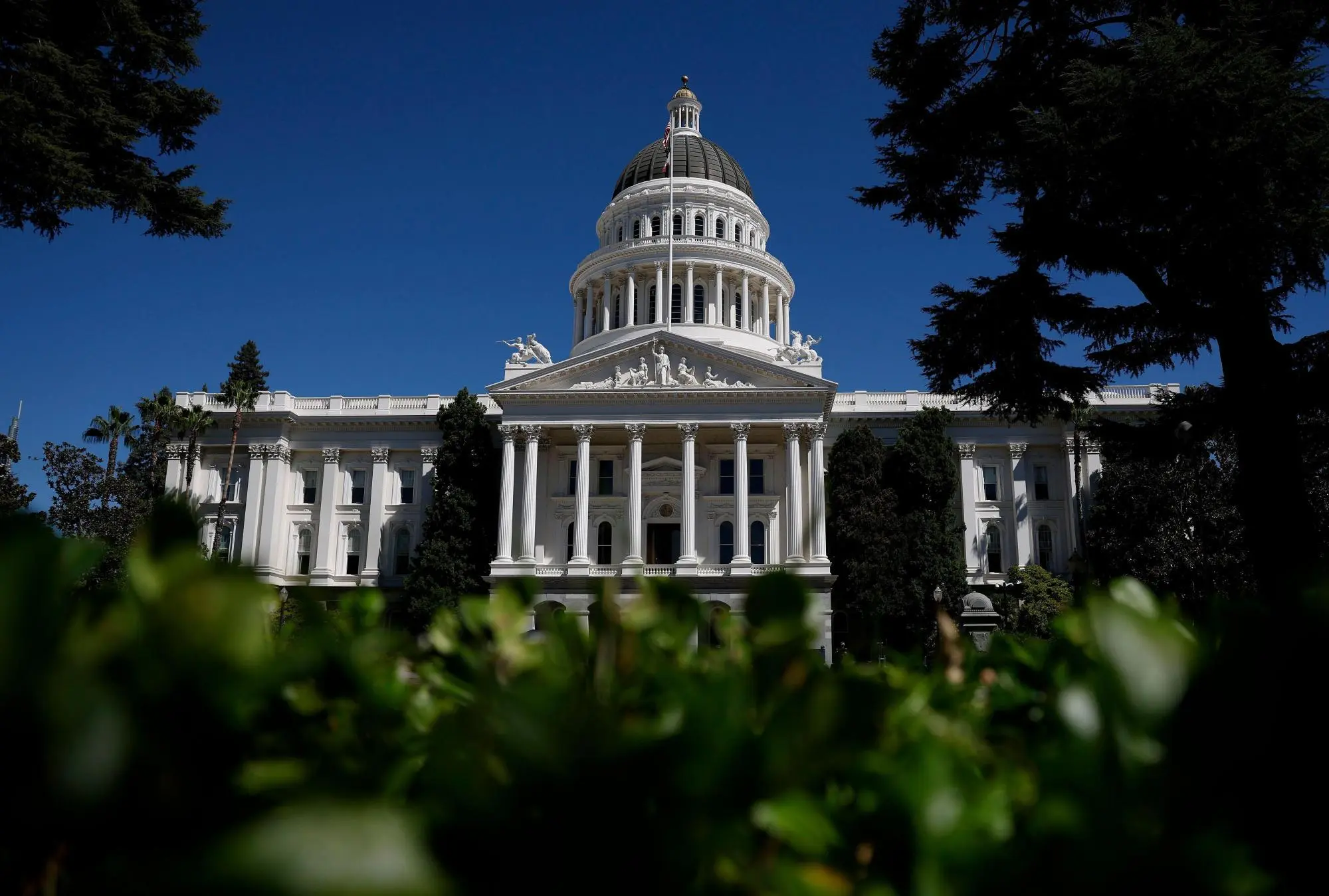
One day after wildfire reform bill SB 492 collapsed in the state Assembly, California lawmakers are framing the outcome as a reprieve, as they gain more time to build on compromise legislation Gov. Gavin Newsom had hoped to punctuate his eight years in office.
Read more State Senate adopts a day of remembrance for Big Bear bald eagle Jackie
“The better way to look at this is that the Legislature is just taking more time to come up with more solutions to such a big problem, but the foundation has been set for us to spring from this upcoming year,” said Demetrious Holford, legislative assistant to Assemblymember Cottie Petrie-Norris, D-Irvine, who introduced the bill with state Sen. Josh Becker, D-Menlo Park.
As the legislative session came to an extended close, and Newsom floated the possibility of calling legislators back for a special session, Petrie-Norris and Assemblymember Lisa Calderon, D-Whittier, announced plans to refuel work on wildfire reform.
As-yet unscheduled public hearings will give Californians more input in the process, the leaders said.
On Tuesday, Assembly Speaker Robert Rivas, D-Hollister, announced lawmakers declined to vote on SB 492 because “it did not yet deliver the relief, accountability or meaningful reform that Californians deserve.”
Who should pay, and by how much, after a wildfire caused by a publicly traded utility company is at the crux of the failed agreement, spurred by Eaton fire catastrophe in January 2025: While fire survivor advocates and consumer groups hailed parts of the amended deal that would speed claim payments to wildfire survivors and prevent utility executives from collecting bonuses when their company causes a wildfire, California’s three major investor-owned utilities warned the compromise would lead to higher utility rates. Insurers worried they would have to pay more for damages.
“Californians have tasked us with navigating some profoundly important challenges – making sure victims are paid first, investing in robust and transformational prevention efforts, holding utilities accountable, and stabilizing costs in California,” Petrie-Norris, chair of the Assembly Utilities and Energy Committee, said in a statement Wednesday. “The scale and stakes are incredibly high, and we need to make sure that the measures we bring to the table rise to the occasion.”
Calderon, chair of the Assembly’s Insurance Committee, said the last-second legislative wrangling could not lead to an agreement among lawmakers “on how to address the twin challenges of availability in the insurance market and affordability in our electricity rates.”
Calderon said a new governor and new legislative season will need to work with the same issues about wildfire reform.
“We owe Californians every effort to find that balance going forward,” she added.
Assembly leaders pointed to several wildfire-related bills that did make it into law this legislative year, including AB 2493, which would require the California Public Utilities Commission to show its work when setting utility profits; AB 1666, which will convert California wood waste into cleaner fuels and building materials; and legislation governing home-hardening standards, soil remediation and added oversight of the FAIR Plan, the state’s insurer of last resort.
One wildfire-related bill that has made it to the governor’s desk is made up of two pieces of legislation.
AB 1642 and AB 1642, which would be a landmark, first-in-the-nation bill protecting wildfire survivors, according to proponents.
Read more Tens of thousands in Spain protest Ceuta border crisis
Its sponsor, the grassroots Eaton Fire Residents United (EFRU) said its members have spent the year and a half since the Eaton fire learning what happens when there are no science-based standards on when it is safe to return to a smoke-damaged home.
The two bills would create the first standards in the nation for testing and remediating homes of toxic contaminants after a wildfire and require insurance companies to follow them within the fire impact zone.
SB 1090, sponsored by state Sen. Sasha Renée Pérez and Assemblymember John Harabedian, the Keep Altadena Lands in Altadena Hands Act, aims to prevent corporate developers from using existing state land-use laws to buy up burned lots in Altadena’s Eaton fire area.
If Newsom signs it, it would take effect on Oct. 1, and prevent what Altadenans fear would be apartment buildings going on lots that held a single-family home.
“This community-driven legislation would protect Altadena from real estate speculators seeking to take advantage of California’s existing housing density laws to develop the area in ways that could undermine local recovery efforts following the Eaton fire,” Pérez said.
Newsom has until Sept. 30 to sign or veto the bills.
For Pérez, the fate of SB 492 and the success of other wildfire-related bills is all in the process of lawmaking.
It was disappointing to see SB 492 fail to come up for a vote, even after there was agreement between the Legislature and the governor, she said, even as all the players said their focus was on putting wildfire survivors first. Wildfire survivors themselves, including the Every Fire Survivors Network, advocated loudly for the same.
“As a result, the compromise that was reached successfully protected fire survivors from the worst proposals, like capping non-economic damages,” Pérez said. “While the final bill language focused on stabilizing utilities and protecting survivors, I would have liked to see the legislation go further to hold utilities accountable for the harm they have caused to prevent future fires.”
Another bill Pérez authored, SB 742, the Wildfire & Emergency Management Act, is on Newsom’s desk too. It would require investor-owned utilities such as Southern California Edison to remove abandoned or decommissioned power lines, like the one that was found to have ignited the Eaton fire.
For lawmakers, the end of this legislative session underlines the scope of work awaiting them in the next.
“The Assembly has produced a lot of great legislation already to tackle some of the wildfire issues and we’re just going to continue doing that,” Demetrious, of Assemblymember Petrie-Norris’ office, said.
Read more Fryer on Football: Previews and predictions for Week 2’s top games