
Could lower-priced housing be a new sales hook for Southern California developers pitching new construction projects to cities?
Read more Downtown Disney brings back free Halloween movie nights
Housing development in Southern California is never easy, with projects facing numerous twists and turns. Irvine Co.’s attempt to turn its Irvine golf course and surrounding land into one of its signature villages is a perfect example of the circuitous route such plans take.
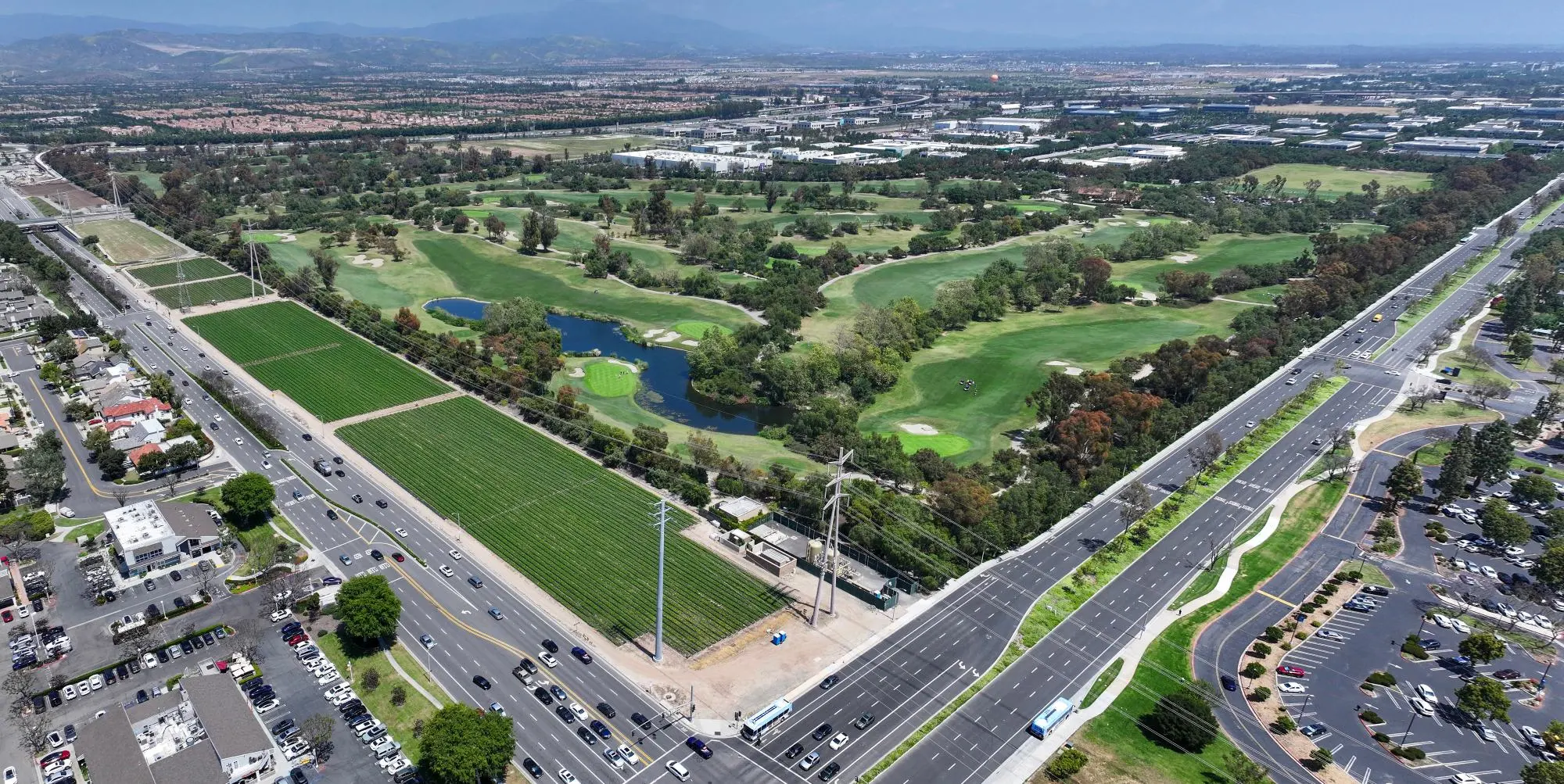
Let’s go back not too many months ago, when the developer stunned many city residents with its proposal to close Oak Creek Golf Club and turn 280 acres into homes and a modest park.
It was no surprise that the idea drew mixed reviews, as do most housing projects in Southern California these days. However, questions about the company’s legal authority to trade the golf course for the nearby avocado groves to meet open-space requirements became a sticking point.
So, with that detour to development brewing, Irvine Co. went back to the drawing board and created a new plan for the land near the 5 freeway at Jeffery Road.
Sadly, the new concept contains less housing – part of Southern California’s standard recipe for winning over a skeptical public. The old plan would have built 3,100 housing units. The new plan offers just 2,400.
But the revised project’s secret sauce appears to show how public opinion shaped the housing options.
“We spoke with over 10,000 residents, and the near-universal theme was a desire for a balance of for-sale homes to meet the community’s diverse needs,” said Rob Elliot, the company’s senior vice president for planning and design.
Originally, the plan called for selling 1,500 primarily luxury residences, plus 1,600 apartments. The second plan, now in environmental review, offers the same number of ownership options – with a greater mix of price points – and just 900 apartments.
The first plan contained 485 “attached” ownership homes — more densely constructed but with lower prices. The new proposal includes 825.
Those attached residences range from traditional townhomes – 1,500 to 2,400 square feet – to a throwback to homebuilding history: units the industry calls “flats.”
These one-story, 950-square-foot condos could be ideal for first-time owners. And with elevator access, it might also appeal to seniors looking to downsize.
Irvine Co. officials suggest that flats could be priced under $1 million. In Irvine, that’s a bargain in a town where typical home values run $1.5 million, according to Zillow.
There are certain benefits for all of Irvine’s residents built into the new plan, too.
A larger park on much of the golf course space: 60-plus acres vs. 8 acres originally planned, plus a nature center. There would be land donated for an elementary school.
Also, an extension of the Jeffery Open Space Trail would run through that new park. The walking and biking path was recently extended with a pedestrian bridge over the freeway to near the golf course.
By the way, the company will pay to build these public amenities and cover the cost of three bridges – one to improve traffic flow and two for pedestrians.
Read more Take your blood to the bank (please)
Old school
The original plan’s focus on high-end living reflects a disappointing reality in residential developments across Southern California.
It’s frustrating to hear folks in so many cities complain that their kids can’t afford to live nearby. Then, when development plans pop up, these same folks are far too often aligned with plans for pricier neighborhoods. Perhaps locals think the new upper-crust construction might raise all house values in the community.
And builders rarely object to luxury leanings, since high-end development is often more profitable.
That’s why “fancy” housing plans often win at City Hall.
Yes, building high-priced residences – ownership or rental – does boost housing counts. Yet high-end development offers little relief to the many folks desperate to reduce their housing-cost burdens.
Hopefully, the region’s suffocating housing costs have finally shifted Southern Californians’ thoughts on new construction and what they’re willing to accept.
How suffocating? Just 17% of Southern California households could qualify to buy the median-priced home, according to the California Association of Realtors.
Odd spot
Can Irvine be a yardstick of public perception across Southern California?
Well, the city is an odd place.
It’s a wealthy community with a median household income of $145,000 – one-third higher than the typical Californian and double the American norm. It’s also well known as a largely master-planned community sculpted by Irvine Co., the dominant landowner.
So, the citizenry largely appreciates this village-centric lifestyle, which isn’t for everybody.
Additionally, while Irvine is often seen as a symbol of suburbia, it’s actually a fairly urban setting. Remember, it’s a major job hub. Don’t forget about all the Irvine Spectrum office buildings that sit near the golf course.
So, a typical Irvine resident might be more open to housing that’s needed to support nearby businesses than, say, folks living in a classic bedroom community city. That’s where local jobs are a small part of city life, and residents moved there to get away from a more urban lifestyle.
Pass the test?
This new golf course thesis faces the ultimate test: An intense political debate when, after an environmental review, the plan seeks a final stamp of approval from the city in 2027.
Irvine Co.’s planning twist is certainly worth following because of its swing toward much-needed lower-priced ownership options.
Look, we are not talking about affordable housing in the traditional way – residences whose lower cost is somehow subsidized. These are simply less-than-crazy-priced homes that somewhat ordinary folks might buy. For comparison’s sake, Irvine Co.’s new Orchard Hills community — just up Jeffery Road from the golf course in northern Irvine — sees some of its new homes selling for $6 million-plus.
So, if this passes Irvine’s public review, and since city council members everywhere like to get reelected, is this a signal of a public push to build lower-priced housing?
Jonathan Lansner is the business columnist for the Southern California News Group. He can be reached at [email protected]
Read more Trump promises to campaign for Republicans and says they have a winning midterm message
- Try Jonathan Lansner’s Substack collection of economic trends. CLICK HERE!