
By MATTHEW DALY
WASHINGTON (AP) — The Environmental Protection Agency is seeking additional public comments as it tries to redefine the scope of the nation’s bedrock clean water law to significantly limit the wetlands it covers.
Read more Flock surveillance cameras become midterm campaign target as voters balk at tech companies’ power
The request, announced Friday, comes nearly a year after the agency proposed a rule defining “waters of the United States,” or WOTUS, based on a 2023 Supreme Court ruling that removed federal protections for vast areas. The plea for new information is highly unusual and reflects the complexity of the water rule, a contentious regulation that has been argued in the courts for decades and reached the Supreme Court twice since 2006.
The latest proposal is a “supplemental” rule that EPA said will help it and the U.S. Army Corps of Engineers evaluate a wider range of options as they work toward a final rule that fully implements the Supreme Court’s decision in a case known as Sackett v. EPA.
The 2023 ruling sharply limited the federal government’s authority to police water pollution in certain wetlands. It boosted property rights over concerns about clean water in a ruling in favor of Michael and Chantell Sackett, an Idaho couple who sought to build a house near a lake.
The new rule, once made final, will cut “bureaucratic red tape” and protect water quality while “recognizing that states and tribes are best positioned to manage their own water resources,” the EPA said.
The rule will provide greater predictability for landowners, farmers, ranchers, energy producers, the technology sector, developers and small businesses, the agency said. The measure will focus on relatively permanent, standing or continuously flowing bodies of water, such as streams, oceans, rivers and lakes, along with wetlands that are directly connected to such bodies of water.
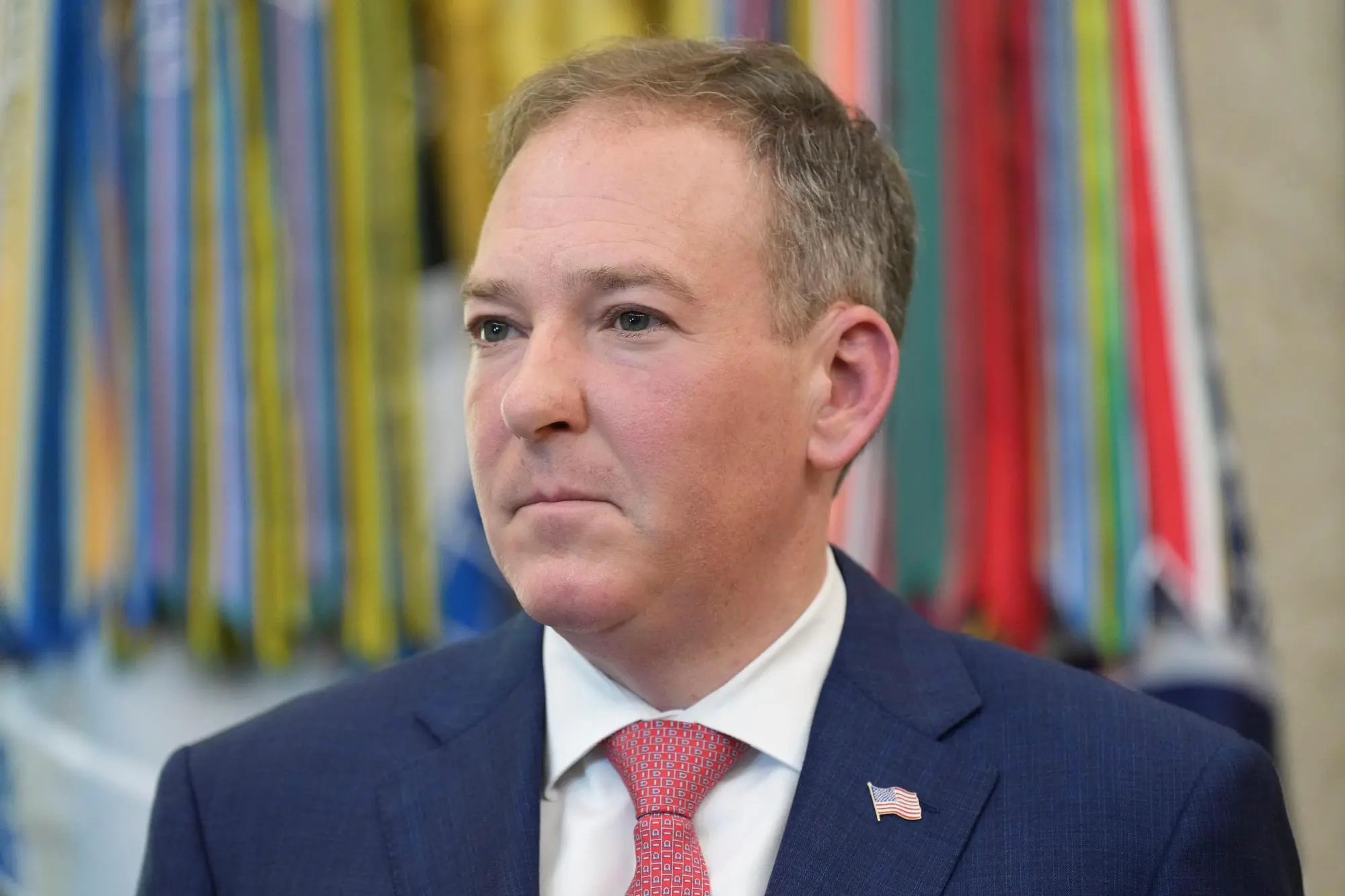
“The EPA’s goal is a durable WOTUS definition that follows the law and ends burdensome regulatory uncertainty,” EPA Administrator Lee Zeldin said in a statement.
The request for additional comment “reflects our continued commitment to transparency and public input, ensuring we have fully considered a wide range of potential policy options,” he added. “We look forward to public feedback on this supplemental notice, which will help strengthen the real-world expertise behind the final rule.”
Read more Man jumps through In-N-Out window in Lake Elsinore to thwart stick-wielding woman
The November proposal to rewrite the water rule is among dozens of environmental regulations being rolled back by Republican President Donald Trump’s administration as part of what Zeldin calls a concerted effort to accelerate economic prosperity while putting “ a dagger through the heart of climate change religion.” Critics call the planned water rule a giveaway to ranchers and industrial polluters.
“The Trump EPA’s shortsighted push to encourage industries to plow over more wetlands and streams will destroy thousands of miles of waterways critical to wildlife across the United States,” J.W. Glass, a policy specialist at the Center for Biological Diversity, said when the plan was announced last year.
The proposed rule will most likely “wipe out life-sustaining waterways in every corner of the nation,” Glass said, and leave vast stretches of wetlands and other low-lying areas vulnerable to increasingly destructive storm surges driven by climate change.
The EPA’s proposal “declares open season” on the nation’s waterways, according to Jon Devine, director of freshwater ecosystems at the nonprofit Natural Resources Defense Council.
“The proposal would virtually eliminate protection for freshwater wetlands” and especially hurt the western United States, he said.
Zeldin disputes that argument, saying the agency’s proposal strikes a needed balance between federal and state authority. Any lands removed from federal jurisdiction will still face regulation from states and tribes, he said.
The EPA and Army Corps will accept public comments for 30 days once the supplemental plan is published in the Federal Register, expected in the next week. The agencies have held three public meetings on the proposed rule, which has generated more than 220,000 comments from a wide range of stakeholders.
Read more HOA Homefront: Presidents are not the ‘boss,’ the board is