
By JESSIE WARDARSKI
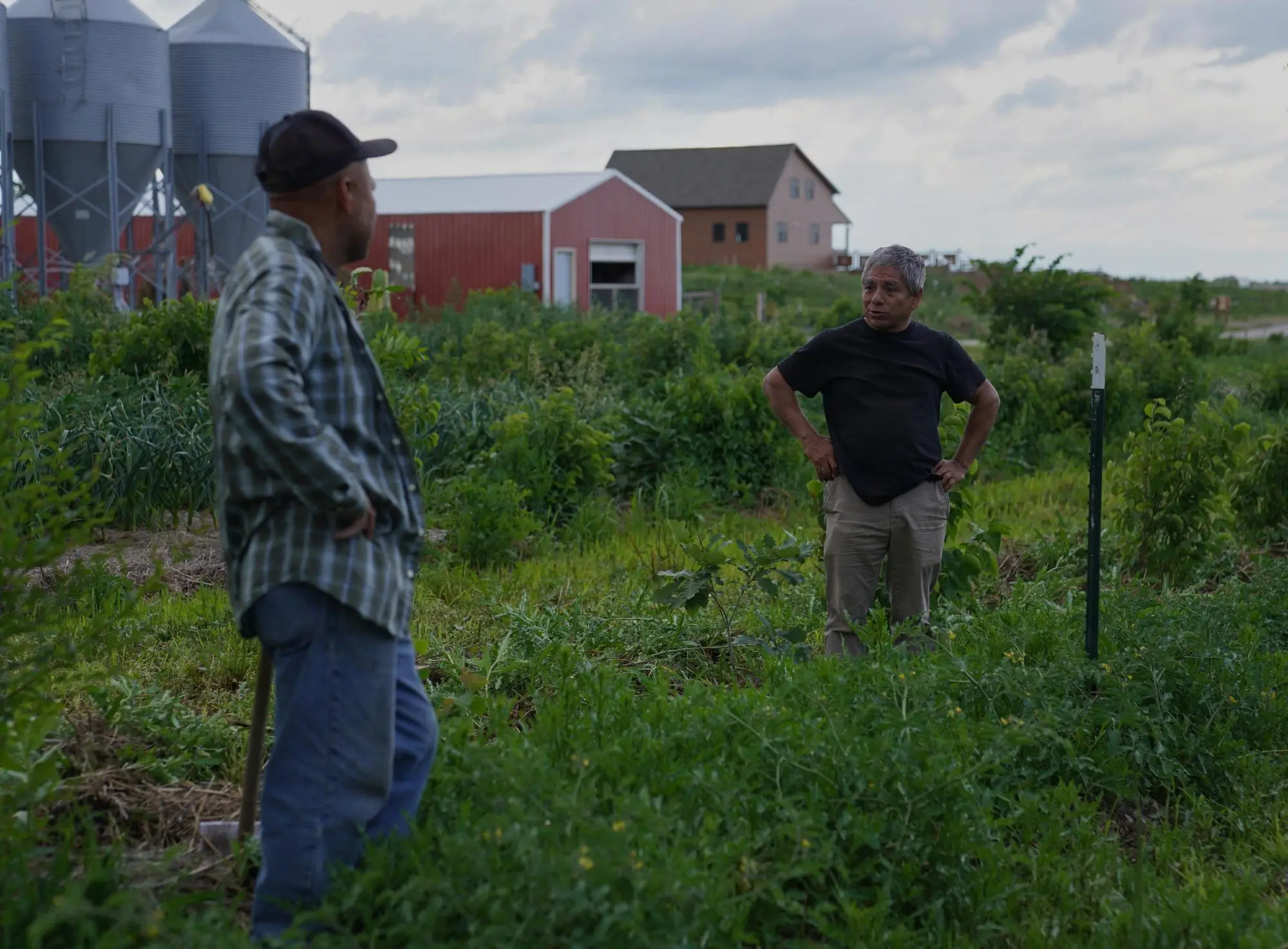
NORTHFIELD, Minn. (AP) — The towering maple trees and native hazelnut bushes on Salvatierra Farms break up the surrounding corn and soybean fields that sprawl across southern Minnesota.
Read more Chargers defense preview: Can high standards be maintained?
Small compared with its neighbors, the 63 acres of land was once a conventional row crop farm. Transformed by Reginaldo Haslett-Marroquin, an agronomist and regenerative farmer who grew up in the northern Guatemalan rainforest, Salvatierra Farms embraces crop diversity and natural solutions — no herbicides, pesticides or chemical fertilizers — for its poultry or other operations. He wants it to be a model for others.
Drawing on his formal agricultural education and the wisdom of his Indigenous elders, Haslett-Marroquin’s approach to farming has brought together an unlikely network of Midwesterners dedicated to caring for the Earth for spiritual reasons. They include Lakota tribal members, former large-scale farmers and Catholic sisters.
Their shared motivation comes amid rising interest in nature-based spirituality and related societal shifts: a rethinking of modern agriculture, growing secularization, climate change anxiety and intensifying interest in health and wellness.
“These dark green spiritualities — the ones that have a kind of sense of the intrinsic value of nature, of our belonging to it and not superiority over it — are growing rapidly around the world,” said University of Florida environmental studies professor Bron Taylor.
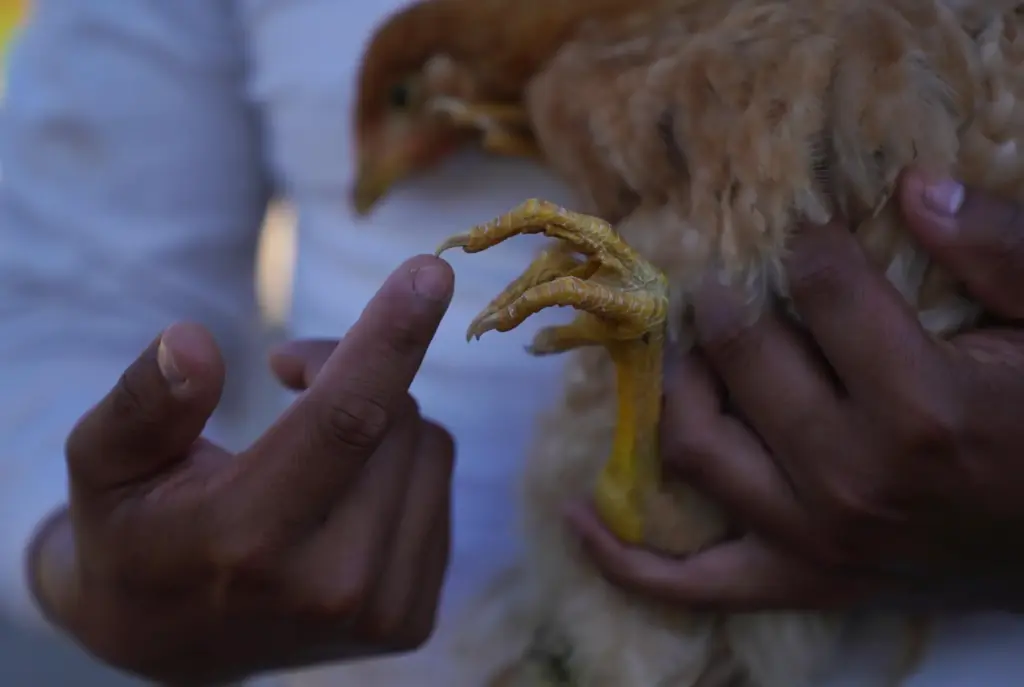 Carlos Rosales, director of research and development at Salvatierra Farms, observes a female chicken on Friday, June 19, 2026, in Northfield, Minn. (AP Photo/Jessie Wardarski)
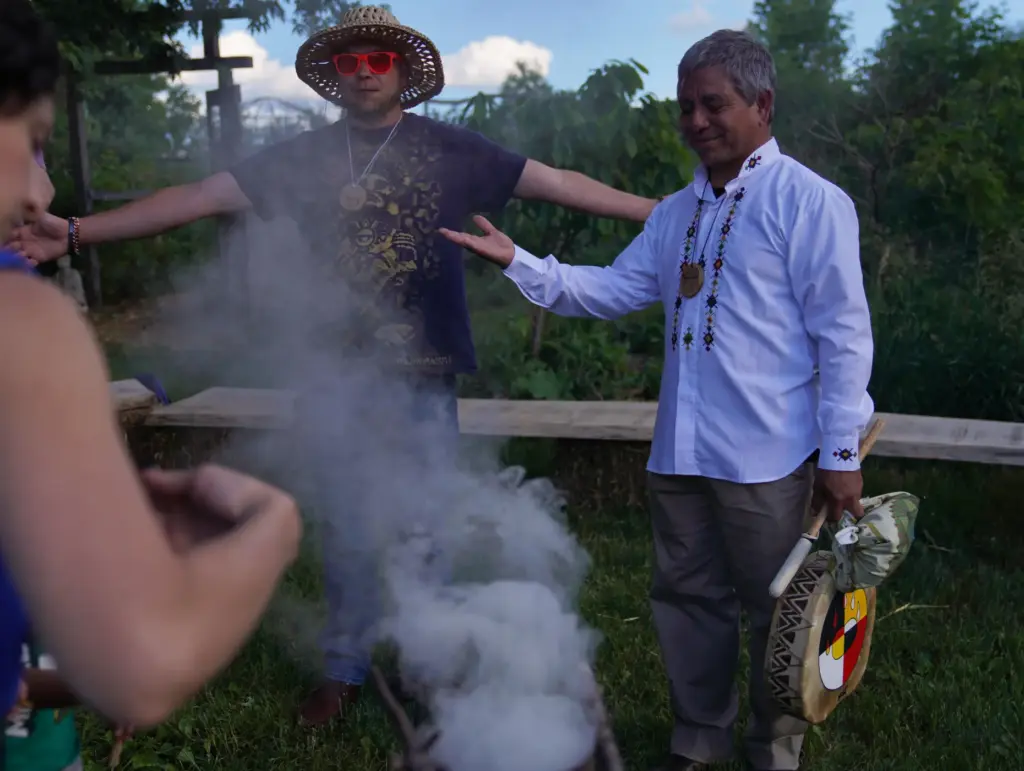 Reginaldo Haslett-Marroquin, right, a farmer and agronomist, participates in a solstice ceremony at Organic Compound in Faribault, Minn., on Saturday, June 20, 2026. (AP Photo/Jessie Wardarski)
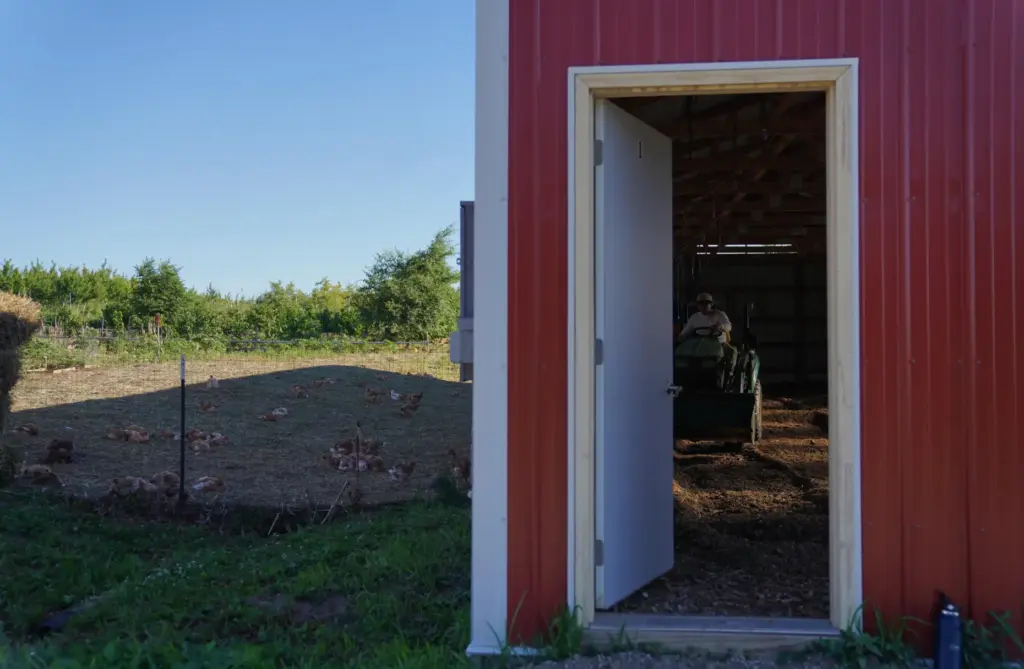 Carlos Rosales, director of research and development at Salvatierra Farms, flips the bed of a paddock on Friday, June 19, 2026, in Northfield, Minn. (AP Photo/Jessie Wardarski)
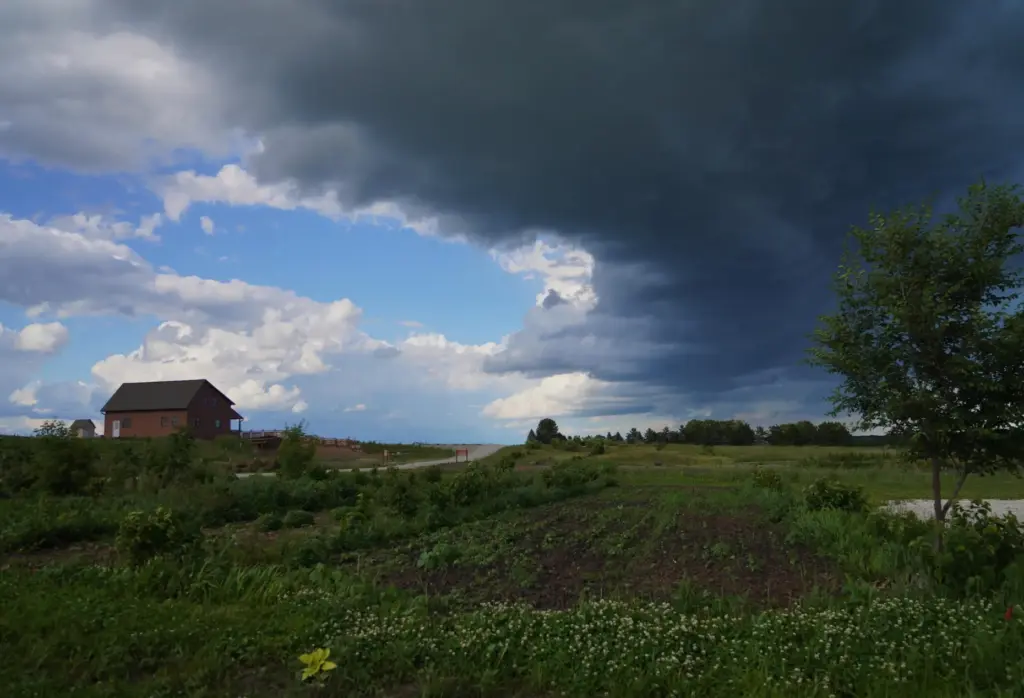 Native perennials and vegetables grow on Salvatierra Farms in Northfield, Minn., Friday, June 19, 2026. (AP Photo/Jessie Wardarski)
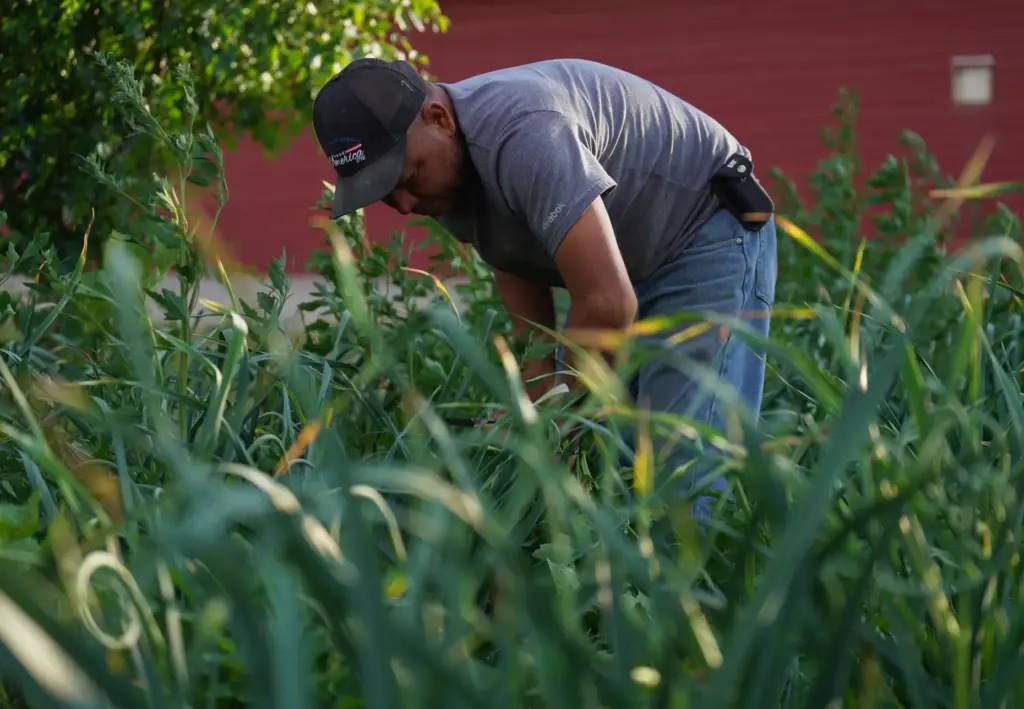 Caesar Marroquin clips garlic scapes in a small vegetable garden at Salvatierra Farms in Northfield, Minn., Friday, June 19, 2026. (AP Photo/Jessie Wardarski)
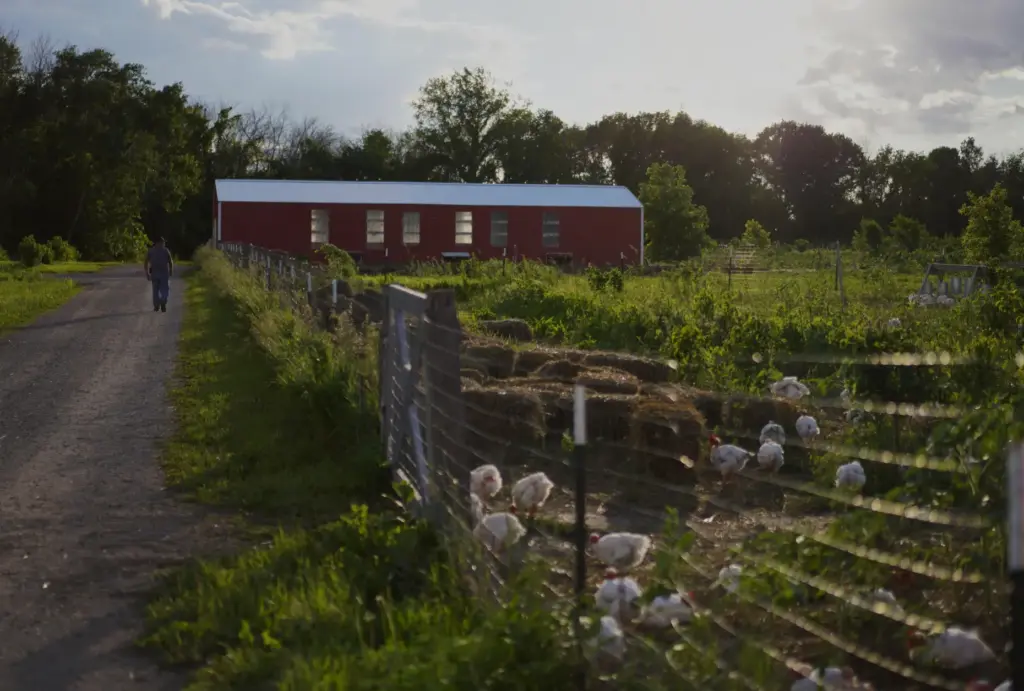 Male chickens forage at Salvatierra Farms as part of the Tree Range Farms ecosystem in Northfield, Minn., Friday, June 19, 2026. (AP Photo/Jessie Wardarski)
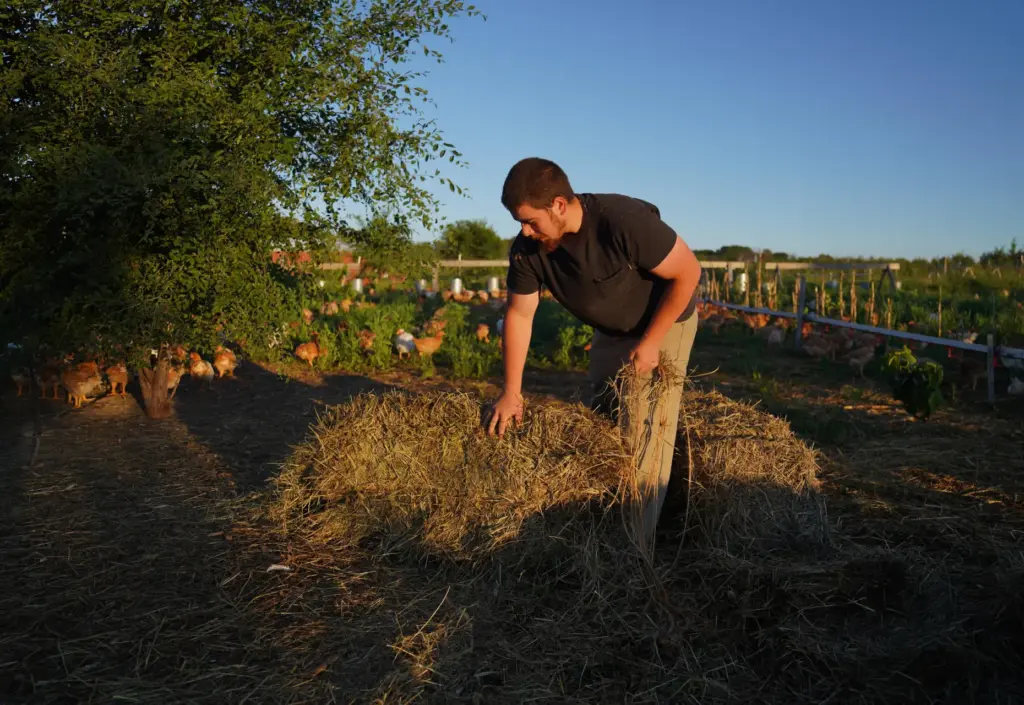 Lars Marroquin-Haslett spreads hay for the chickens at Salvatierra Farms on Saturday, June 20, 2026, in Northfield, Minn. (AP Photo/Jessie Wardarski)
 Sharri Keller leads a workshop on herbal oxymels, glycerites and tinctures at Organic Compound’s annual event, “Halfway to Harmony,” in Faribault, Minn., Saturday, June 20, 2026. (AP Photo/Jessie Wardarski)
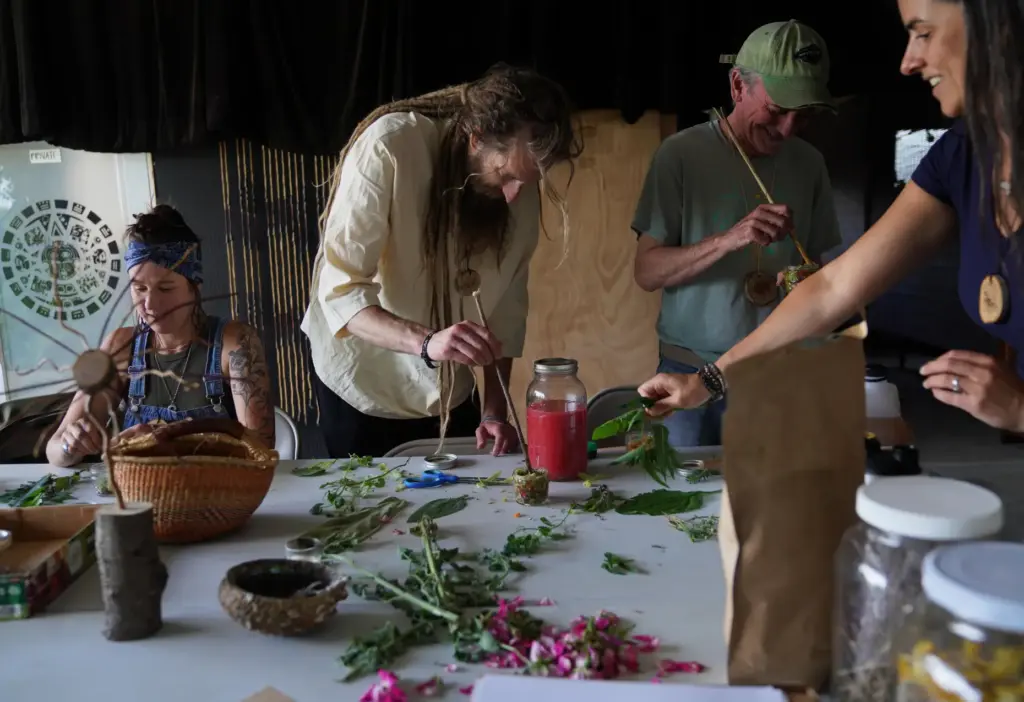 Guests mix herbal oxymels, glycerites and tinctures at Organic Compound’s annual event, “Halfway to Harmony,” in Faribault, Minn., Saturday, June 20, 2026. (AP Photo/Jessie Wardarski)
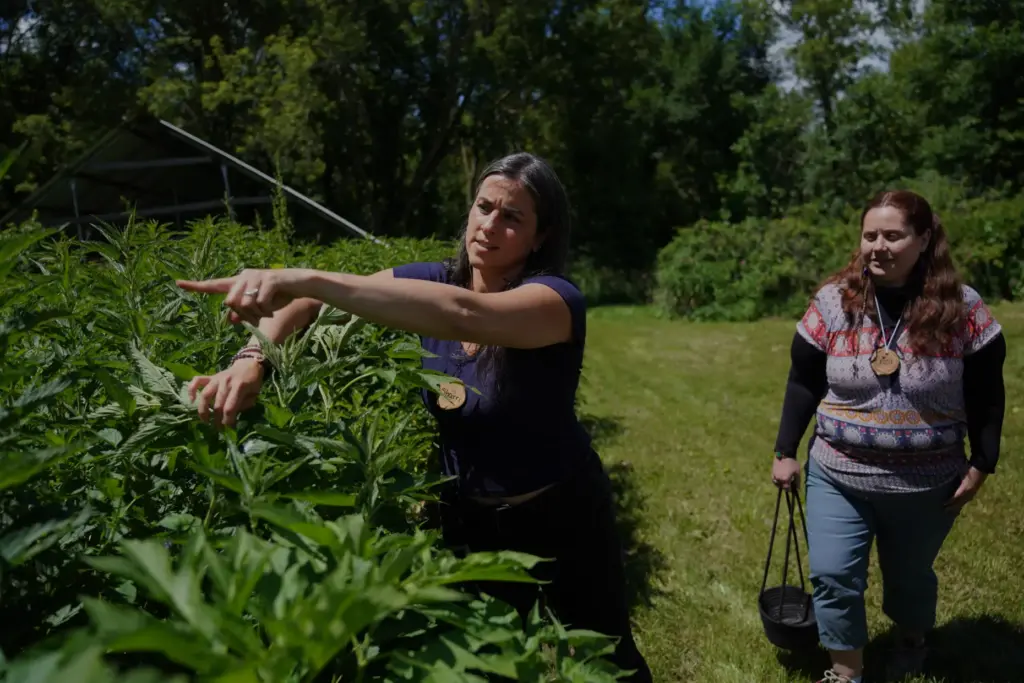
 Guests learn about native plants during a nature walk at Organic Compound’s annual event, “Halfway to Harmony,” in Faribault, Minn., on Saturday, June 20, 2026. (AP Photo/Jessie Wardarski)
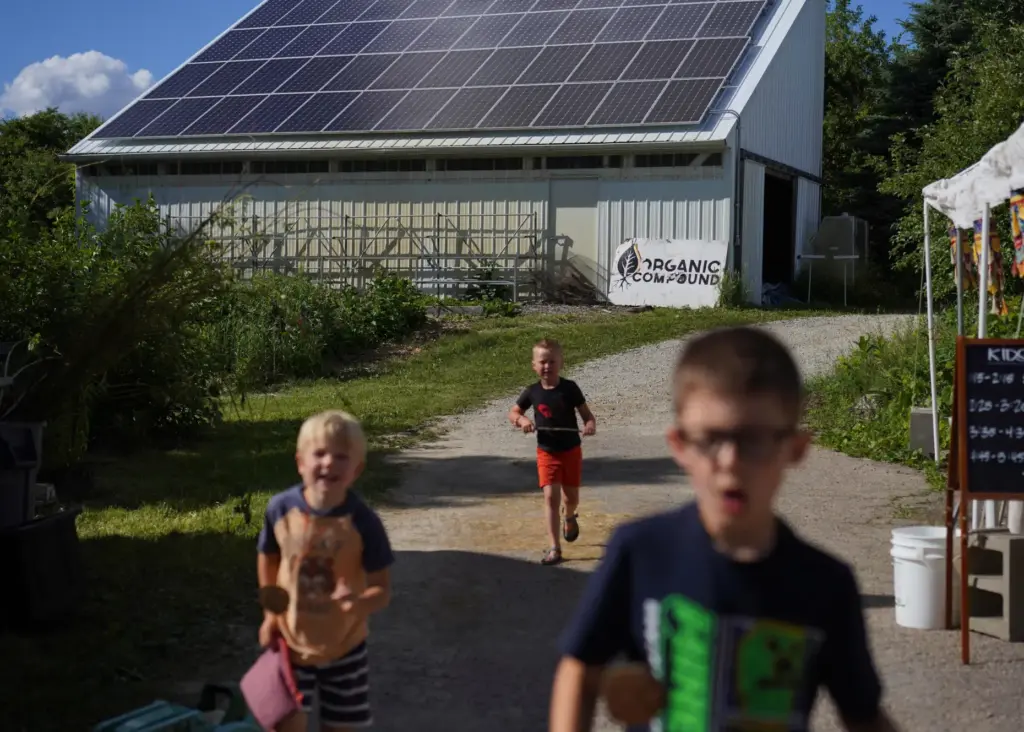 A group of kids play at Organic Compound during the farm’s annual event, “Halfway to Harmony,” in Faribault, Minn., Saturday, June 20, 2026. (AP Photo/Jessie Wardarski)
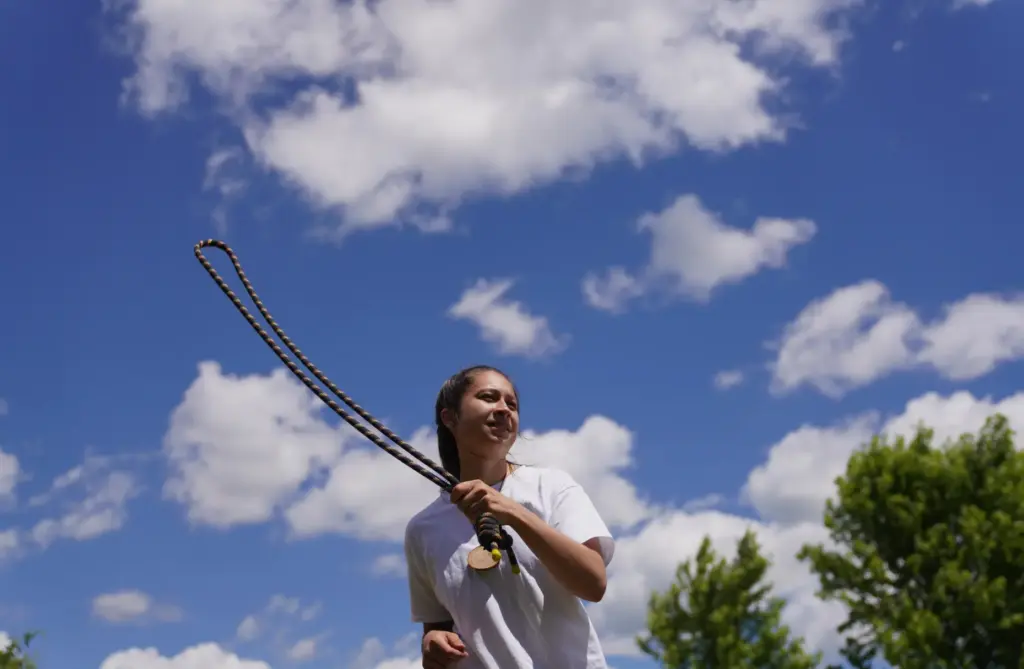 A guest practices rope meditation at Organic Compound’s annual event, “Halfway to Harmony,” in Faribault, Minn., Saturday, June 20, 2026. (AP Photo/Jessie Wardarski)
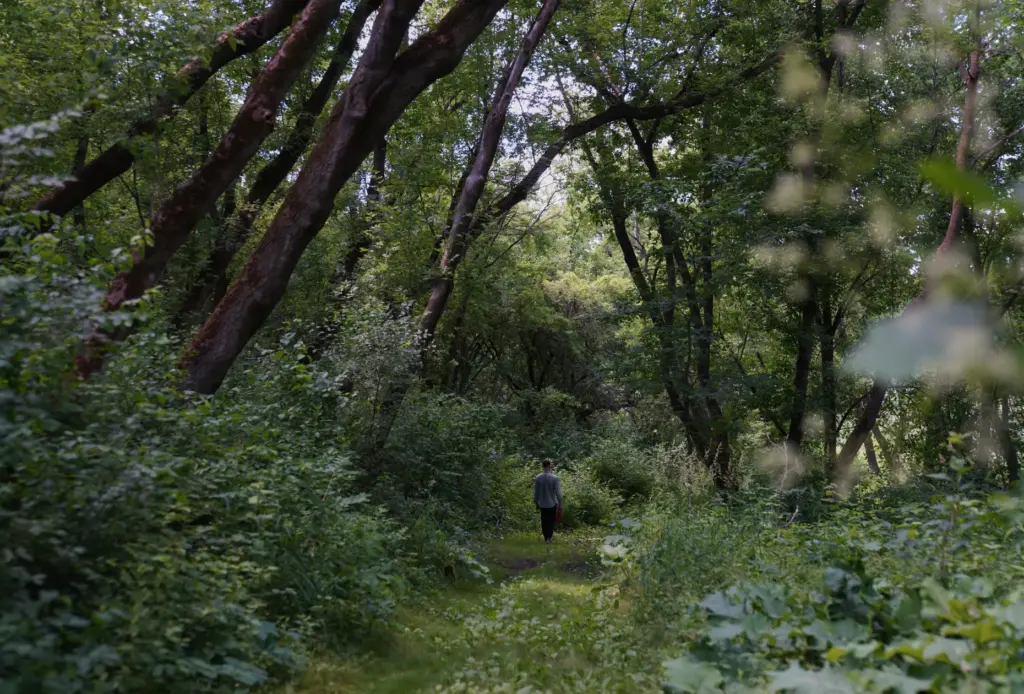 A guest takes a nature walk at Organic Compound during the farm’s annual event, “Halfway to Harmony,” in Faribault, Minn., Saturday, June 20, 2026. (AP Photo/Jessie Wardarski)
Regenerative farming has deep roots
Eco-spirituality and regenerative agriculture are not new. Nineteenth-century America saw homesteaders pledging to cultivate public land they received for free. In the 1960s, a “back-to-the-land” movement surfaced alongside a new wave of environmentalism. And many of today’s approaches to land stewardship are rooted in Indigenous traditions developed over centuries.
These practices, to an extent, were overshadowed as the food system scaled rapidly to feed the growing global population. They are now finding new life on some large conventional farms and among young farmers drawn to the regenerative agriculture movement.
It’s “farming in a way that is good for the health of the soil, the health of the land and the health of our people and communities,” explained Rob Myers, director of The Center for Regenerative Agriculture. What that means depends on the farmer. Many in the U.S. practice just one method, like planting cover crops or refusing to till the land to minimize soil disturbance; others take a more holistic approach.
Starting in 2020, Josh Payne, a Missouri teacher turned farmer, transitioned his grandfather’s land from row crops to fully regenerative animal grazing and agroforestry, which incorporates naturally growing chestnut trees and other native vegetation into his practices. It’s a shift based in his evolving Christian faith and influenced by the writings of Christians like the late Kentucky farmer Wendell Berry, who advocated for embodying the Bible’s teaching that the Earth is a gift from God meant to be cared for.
“My faith helped me understand that what I do is a vocation,” Payne said.
While Haslett-Marroquin doesn’t believe in organized religion himself, he sees common ground among all who feel spiritually connected to the land, as he does. He envisions a regenerative system that empowers small farmers and their communities, a global movement that “restores all of creation and gives us a different reason to live and have purpose.”
A spiritual connection began in the rainforest
Growing up poor, Haslett-Marroquin and his brothers trekked into the rainforest to help their father plant crops. Though exhausting work, it awakened his kinship to nature.
“That’s where we lived,” said Haslett-Marroquin, who has Achi and other Maya heritage. “That can uplift an innate intelligence that we are born with.”
When he and his wife moved to Minnesota in the early 1990s, he knew he would challenge the system and farm with what he describes as a spiritual integrity that allows all living things to flourish naturally.
In 2022, Haslett-Marroquin co-founded Tree Range Farms, a group of independent poultry producers who use regenerative farming practices. The farms raise thousands of organic, free-range chickens under growing perennials — harvestable plants like hazelnut and elderberry bushes.
Salvatierra Farms, which doubles as a research and training facility for farmers, is part of that ecosystem. Haslett-Marroquin sees his farm, started in 2020, as the blueprint for a global movement he envisions. “To me, a little bit of knowledge with a lot of wisdom and solid spiritual grounding is where the solutions are going to come from.”
Midwest farmers find healing with the land
Nick Hernandez of the Oglala Sioux Tribe in South Dakota is also part of Tree Range Farms’ community. In 2016, he met Haslett-Marroquin while seeking ways to reconnect his community to the land through food, and learned regenerative poultry practices from the Minnesota farmer.
“I see food as a way of not only finding healing, both mentally, physically, spiritually, and culturally, but as a way of being able to develop ourselves,” said Hernandez.
Read more Drummond: Yorba Linda council sets goals for security, infrustructure and more
In 2020, he started Makoce Agriculture Development, a nonprofit developing and rebuilding Indigenous food systems on the Pine Ridge Indian Reservation, including a fully functioning farm.
Gail Fuller, a former large-scale farmer who grew genetically modified corn and soybeans on 3,200 acres of family land in Kansas, met Haslett-Marroquin in 2020. They were both presenting at a soil conference in Salina. Fuller was on a journey to give up conventional farming practices, including chemical weed killer, after feeling mentally and physically unwell, and betrayed by the industry he loved.
“When you farm from a kill mindset for how many generations, how can that be a positive on the farmer or on the farm?” said Fuller, who now owns Circle 7 Fuller Farms with his wife Lynette, 50 miles from the land his family farmed for generations.
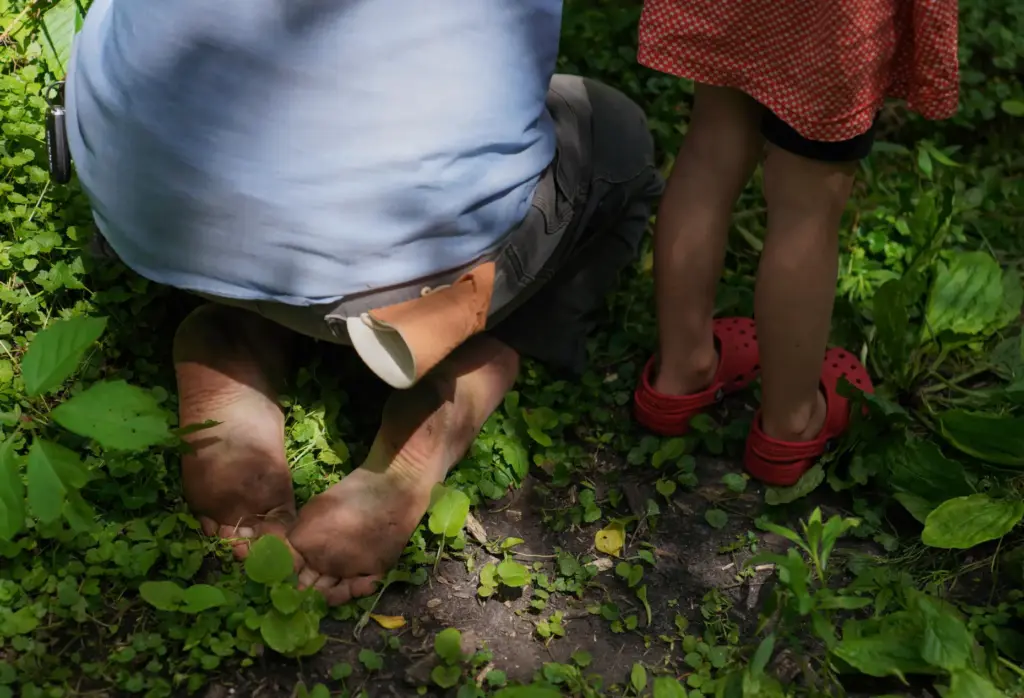
He now spends most of his days barefoot, working with grazing animals on land he says saved him.
A community grows around ceremony and food
For Haslett-Marroquin, ceremonies are a vital part of his physical and spiritual well-being. That includes the “Halfway to Harmony” summer solstice event hosted at the Organic Compound, a nearby family farm in Faribault, Minnesota.
“When it is all said and done, we are simply expressions of the energy of the Earth and the universe,” Haslett-Marroquin said, leading about 100 people in prayer around a bonfire in June.
The Crombie family, which owns Organic Compound, was among the early recruits to Haslett-Marroquin’s extended community. They also were pioneers in embracing the regenerative poultry blueprint on a commercial scale.
They had returned to gardening on family land that was once used for rotational crops, but were looking to diversify in ways that paired well with Haslett-Marroquin’s approach.
“When we play together, when we pray together, when we sing together, when we work on the land together … of course it’s going to heal us,” said Wil Crombie during the solstice gathering. “That’s the future that I want.”
From fielding potential investment calls in his pickup truck to webinars with nuns, Haslett-Marroquin is persistent about realizing his dream of a food system grounded in spiritual integrity.
His latest aspiration is to partner with the Catholic Church. In its global landholdings and the environment-friendly additions to the church’s social teachings in the 2015 document, Laudato Si, he sees potential for change.
In southwestern Wisconsin, the Catholic Dominican Sisters of Sinsinawa have been living out the belief that creation is sacred, which has guided their approach to farming for decades, said Sister Julie Schwab.
Today, the 179-year-old teaching community’s land is leased to two regenerative dairy farmers as part of the nonprofit Fields of Sinsinawa, which doubles as a training facility for all farmers wanting to learn about innovative agricultural practices.
“The sacred moves through our farms,” Schwab said. “The divine is at work in evolution, which includes our soil, and includes all of life.”
Associated Press religion coverage receives support through the AP’s collaboration with The Conversation US, with funding from Lilly Endowment Inc. The AP is solely responsible for this content.
Read more Associated Press journalists who witnessed Sept. 11 remember what they saw, 25 years later