
Ahead of the November general election, the Southern California News Group compiled a list of questions to pose to the candidates who wish to represent you. You can find the full questionnaire below.
Read more Woman charged in ‘unprovoked’ stabbing death of 7-year-old girl in Chicago
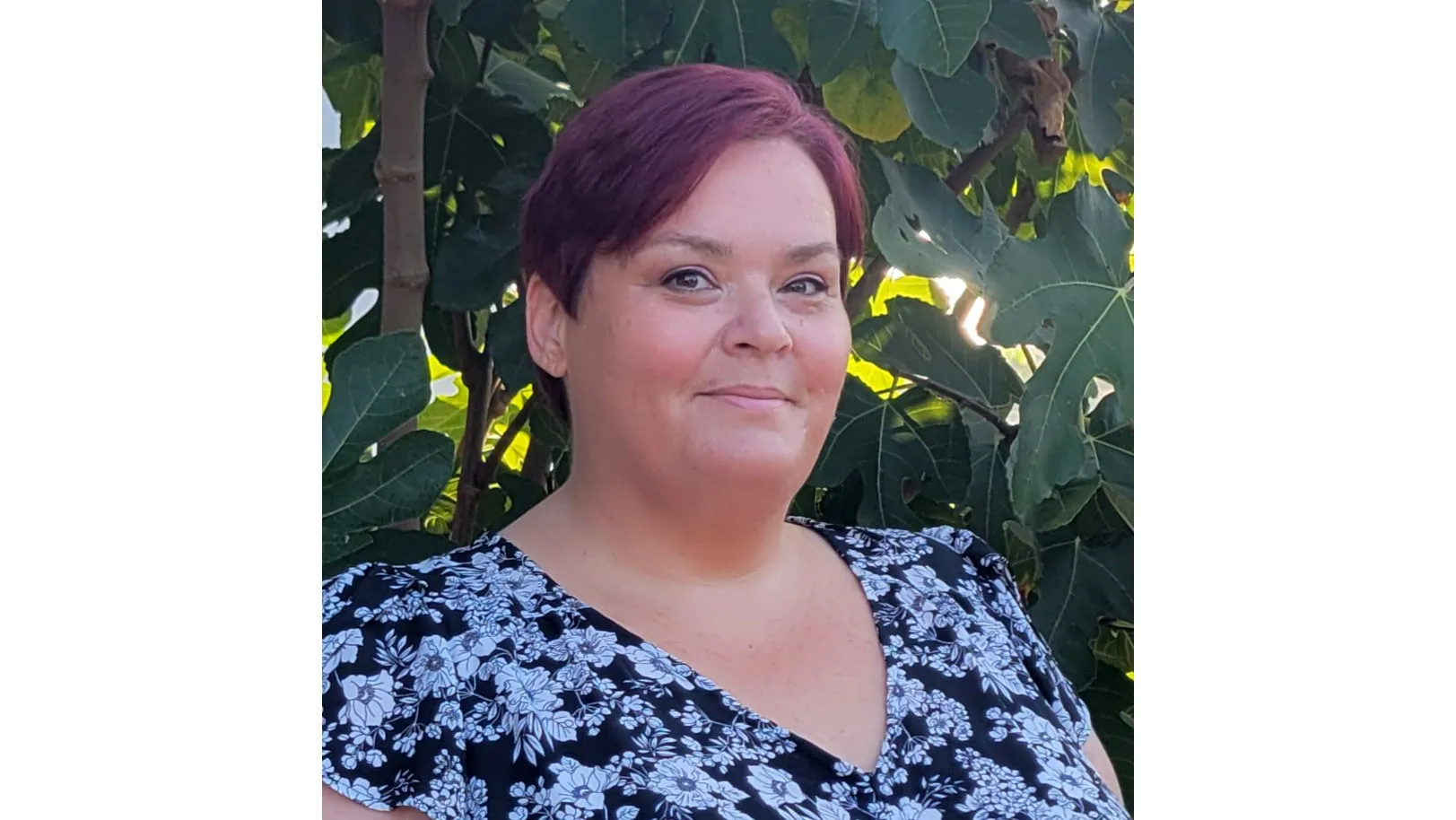
Name: Regina Cuadra
Age: 43
Current job title: Educational Specialist
Incumbent: No
Other political positions held: N/A
City where you reside: La Habra
What are the top two needs of your school district, and how are you prepared to address them? (Please answer in 200 words or fewer.)
The top two needs in FJUHSD are stabilizing fiscal operations while protecting student programs, and modernizing campus facilities to ensure equity and safety across all high schools.
As declining enrollment and shifting state funding pressures our budget, we must safeguard essential student pathways—including special education, CTE, and visual/performing arts—without exhausting reserves. My background as a teacher union member and treasurer gives me practical experience analyzing district budgets, managing fiscal assets, and identifying efficiencies that keep dollars in the classroom.
Second, modernizing our aging campuses and upgrading safety infrastructure is critical. With Measure L facility projects underway, we need strong oversight to ensure every tax dollar directly improves student learning, access, and campus safety.
As a current district parent with two teenagers in our high schools and as a special education teacher, I bring the unique perspective of someone who sees these facilities and academic programs in action every day. I will address these needs by prioritizing collaborative budget oversight, transparent bond spending, and advocating for resources that directly enhance safety, accessibility, and high-quality instruction for all students.
To you, what is the role of a school board in education? Is it driving policy, being involved in curriculum, something else entirely? (Please answer in 200 words or fewer.)
The role of a school board is governance, strategic oversight, and community advocacy.
Driving policy is a primary duty. The board sets clear, vision-aligned policies that guarantee safety, equity, and educational excellence for every student. While the board does not create curriculum, it evaluates and approves state-aligned, evidence-based instructional materials recommended by professional educators, ensuring they meet our community’s high standards.
The board acts as a fiscal steward, adopting balanced budgets that align district spending with student priorities. It holds the superintendent accountable for operational leadership while serving as the vital bridge between the district and the public.
As a former PTA president at both local school and council levels, I know firsthand that a board’s greatest responsibility is listening to parents, students, and staff to build consensus. My job as a trustee is to set the district’s vision, pass responsible policies, ensure resources directly benefit classrooms, and empower expert teachers to lead student learning.
How do you feel artificial intelligence is, or isn’t, safe in the classroom? In what instances should it be expanded in the classroom? What about when it should be limited? (Please answer in 200 words or fewer.)
Artificial intelligence is a powerful tool that can be safe and beneficial when guided by clear boundaries, digital literacy, and strong data privacy protections.
AI should be expanded to enhance personalized learning and assist teachers. It can offer customized tutoring, adaptive skill-building, and immediate feedback for students. For educators, AI can streamline administrative tasks, allowing teachers to spend more direct, meaningful time interacting with students.
However, AI must be strictly limited when it threatens academic integrity, critical thinking, or student privacy. It should never replace original writing, research, or foundational problem-solving skills, nor should student personal data ever be exposed to unvetted software. AI must remain an aid to learning, not a shortcut around it.
As a teacher and trustee, I will advocate for clear districtwide policy guidelines that train educators on ethical AI integration, educate students on responsible use, and protect student data while preparing our high schoolers for a technology-driven workforce.
How do you believe schools can better teach or engage students in civil discourse? How would you like to see your district tackle this issue? (Please answer in 200 words or fewer.)
Read more No arrests announced in shootings that killed 2, left dozens injured at Georgia block party
Schools engage students in civil discourse by embedding media literacy, structured debate, and collaborative problem-solving into everyday learning. To navigate a polarized world, high school students must learn how to analyze sources, listen actively, and articulate opposing viewpoints respectfully.
I would like FJUHSD to tackle this by expanding structured speech, debate, and civic education frameworks across all campuses. Rather than shying away from complex topics, we should equip teachers with professional development to facilitate balanced, respectful classroom discussions. Creating peer-led forums and advisory councils will also give students real-world practice in active listening and diplomacy.
As a former PTA council president, I have brought diverse communities together around shared goals. Civil discourse starts at the leadership level. The school board must model civil, constructive dialogue in public meetings, showing students that passionate advocacy and mutual respect can peacefully coexist.
Some school districts around California are recruiting teachers by building subsidized housing. How would you suggest your district could better attract — and retain — educators? (Please answer in 200 words or fewer.)
While subsidized housing works in some regions, attracting and retaining top educators in FJUHSD requires a comprehensive approach focused on competitive total compensation, supportive working conditions, and professional growth.
To attract talent, we must maintain competitive salaries and comprehensive health benefits that keep pace with Southern California’s cost of living. Beyond compensation, teachers stay where they feel valued, supported, and safe. We can improve retention by fostering a collaborative culture where educator voices are included in decision-making, providing robust mentorship for new teachers, and offering meaningful professional development.
As a special education teacher and union treasurer, I understand what keeps high-quality educators in the classroom: manageable workloads, adequate instructional resources, and competitive benefits. We must also streamline hiring timelines to secure top candidates early. By investing directly in our staff, building strong labor-management partnerships, and maintaining a positive work environment, we can make FJUHSD the destination district for educators.
What experiences and priorities do you bring to this role? What have you learned in prior leadership roles that makes you the person for the job? (Please answer in 200 words or fewer.)
I bring a unique, 360-degree perspective as a special education teacher, a district parent with two children in FJUHSD schools, a former PTA president at the school and council levels, and a teacher union treasurer. My top priorities are fiscal accountability, expanding support for all learning needs (including special education and career pathways), and strengthening parent-district partnerships.
In my leadership roles, I have learned that effective governance requires deep listening, transparent collaboration, and fiscal precision. As PTA council president, I learned how to unite diverse school communities around student success. As a union treasurer, I continue to learn how to manage complex budgets responsibly, balancing immediate operational needs with long-term financial stability.
My career in special education has taught me to advocate for individual student needs and build consensus among families, teachers, and administrators. I have the hands-on experience and personal investment to lead FJUHSD effectively from day one.
If your campaign had a mascot, what would it be and why? (Please answer in 200 words or fewer.)
My campaign mascot would be a bridge. A bridge represents connection, stability, and progress. In education, success relies on building strong bridges between parents, teachers, administrators, and the broader community.
As a special education teacher, parent of two district students, former PTA council president, and union treasurer, my entire career has been about bridging gaps. I work toward connecting student needs with classroom resources, aligning parent voices with district policy, and balancing fiscal responsibility with educational excellence.
A bridge also symbolizes helping every student cross safely from high school into their future, whether that leads to college, career technical pathways, or the workforce. It stands for strength under pressure, open pathways for all, and bringing people together for a common purpose.
Bonus question: What is the best book you’ve read this year? Explain why you found it compelling.
Read more ‘Days of Our Lives,’ ‘General Hospital’ star Robert Kelker-Kelly dies at 62
Declined to answer.