
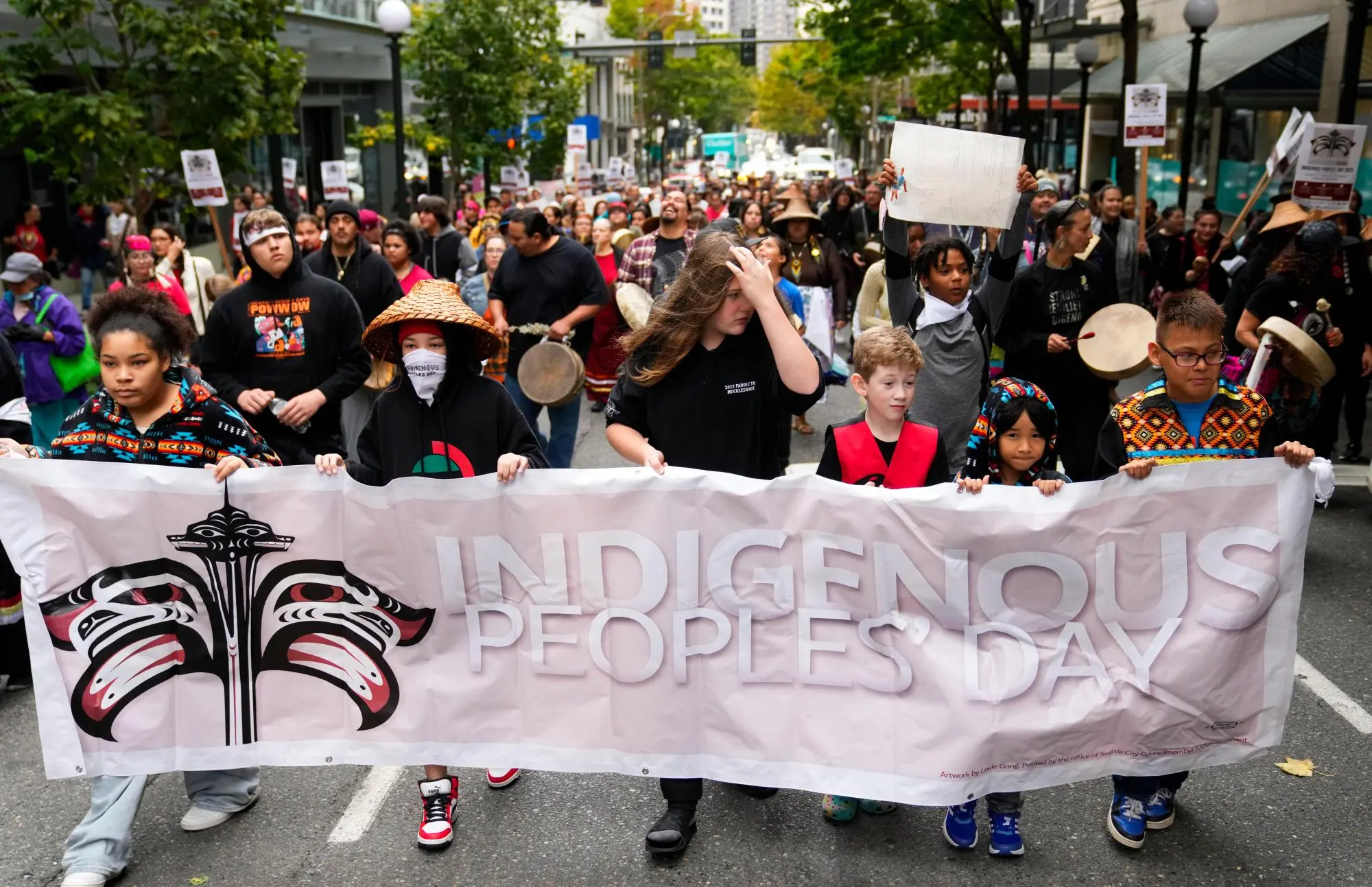
By The Associated Press
Native Americans celebrate their centuries-long history of resilience with ceremonies, dances and speeches.
Read more Security incident at US-run airbase was almost certainly directed by Iran, UK prime minister says
Former President Joe Biden officially commemorated Indigenous Peoples Day in 2021. An increasing number of states and cities have also recognized it — pivoting from a day long rooted in the celebration of explorer Christopher Columbus to one focused on the people whose lives and culture were forever changed by colonialism.
Here is a look at why it’s called Indigenous Peoples Day and how people celebrate.
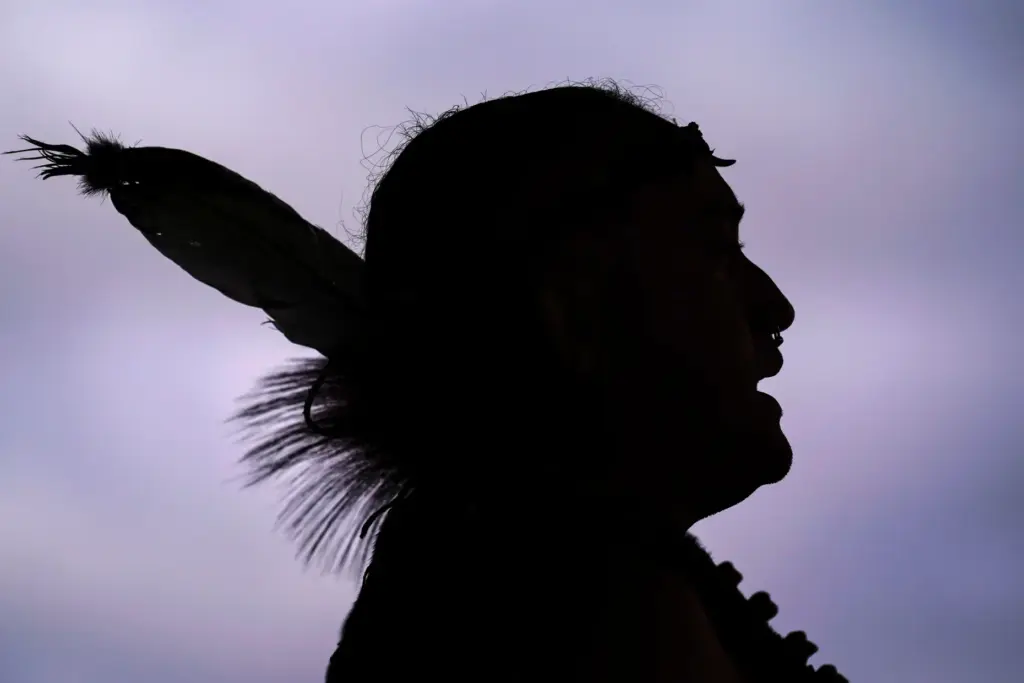 FILE – Tatanka Gibson of the Haliwa-Saponi/Nansemond Tribal Nations leads attendees in song and dance during a gathering marking Indigenous Peoples Day at Penn Treaty Park, Oct. 11, 2021, in Philadelphia. (AP Photo/Matt Rourke, File)
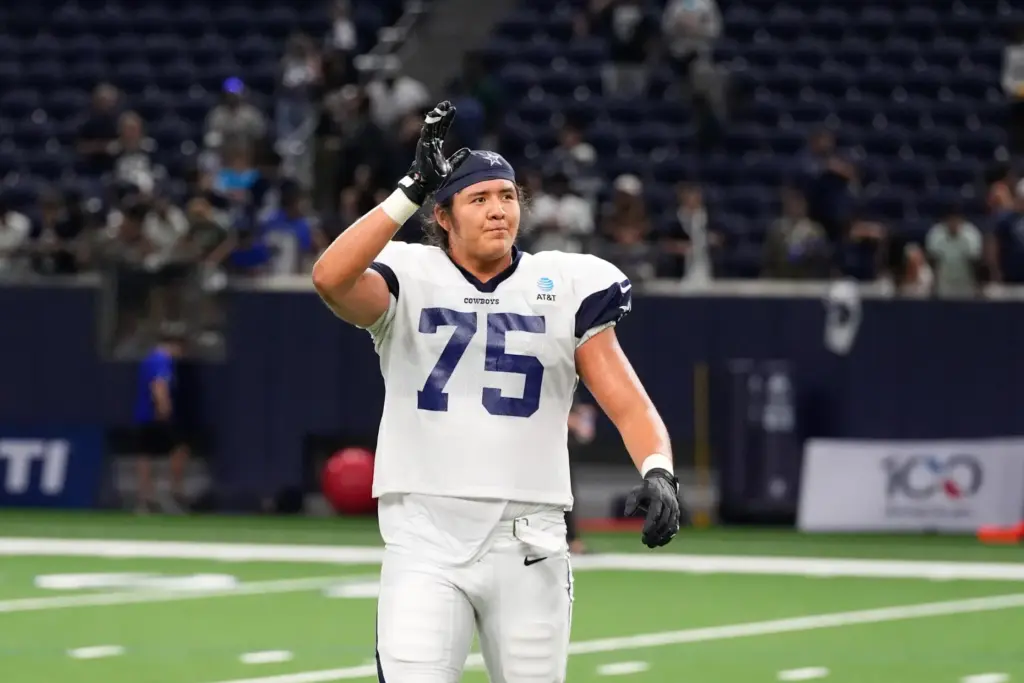 FILE – Dallas Cowboys offensive tackle Shiyazh Pete waves to fans after an NFL practice on Aug. 26, 2026, in Frisco, Texas. (AP Photo/Tony Gutierrez, File)
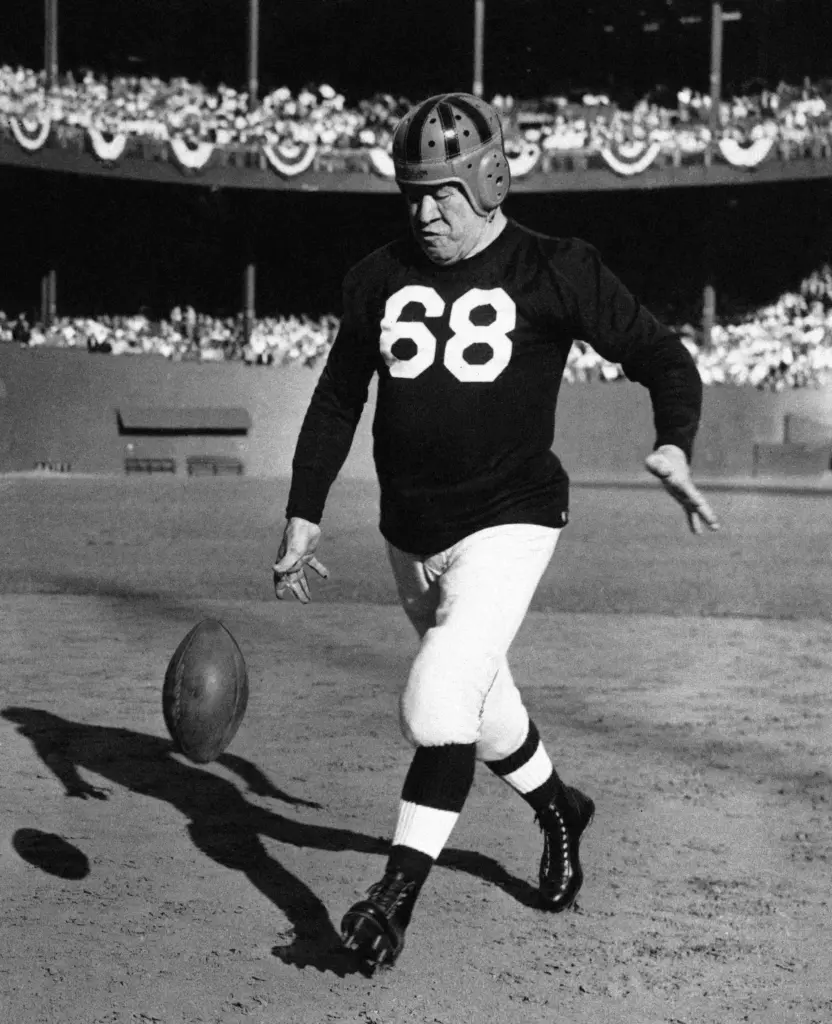 FILE – Jim Thorpe, famous all-around athlete, is shown giving a drop-kicking exhibition at New York’s polo grounds on Sept. 26, 1948, between halves of the Israel-U.S. international soccer match. (AP Photo, File)
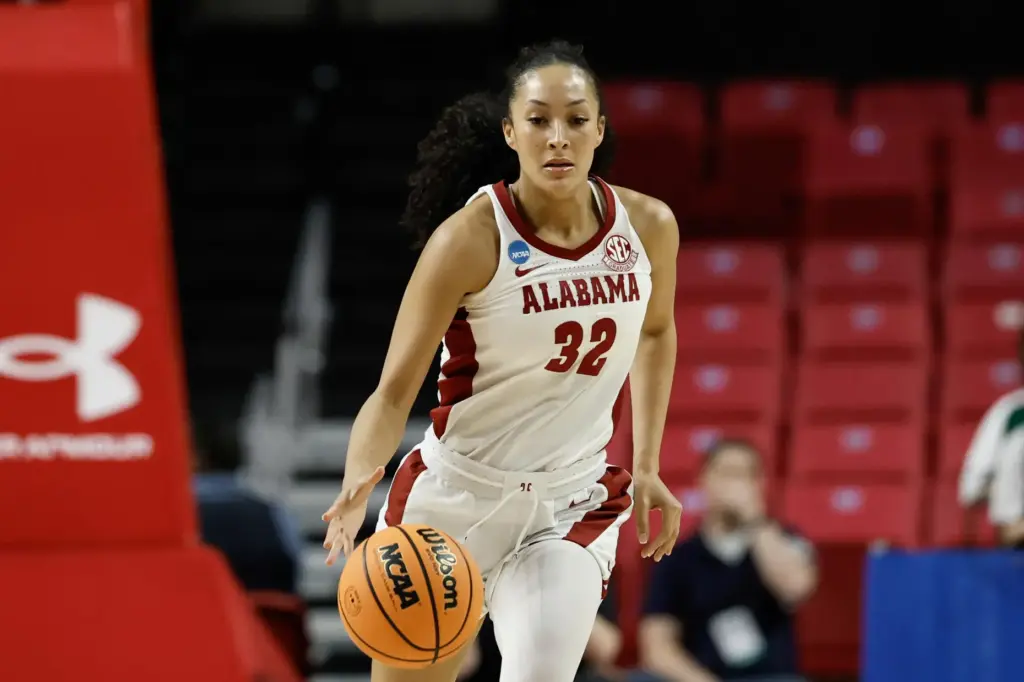 FILE – Alabama guard Aaliyah Nye brings the ball up court during the first half in the first round of the NCAA college basketball tournament against Green Bay in College Park, Md., March 22, 2025. (AP Photo/Terrance Williams, File)
Why is it called Indigenous Peoples Day?
Indigenous Peoples Day has been recognized for decades in different forms and under a variety of names to celebrate Native Americans’ history and culture and to recognize the challenges they continue to face.
Biden had said in a statement that the day is meant to “honor America’s first inhabitants and the Tribal Nations that continue to thrive today.”
It is typically observed on the second Monday in October, the same day as Columbus Day, a federal holiday established decades ago to recognize Columbus’ sighting in 1492 of what came to be known as the Americas.
The day is often marked by protests against memorials to Christopher Columbus, for environmental justice, for the return of Indigenous lands and in honor of missing and murdered Indigenous women.
President Donald Trump has said he will not follow his predecessor’s practice of recognizing Indigenous Peoples Day alongside Columbus Day in October.
Read more Many GOP states have imposed new voting rules this year, some mirroring Trump’s midterm proposals
Is Indigenous Peoples Day a federal holiday?
Although it is not a federal holiday, some states, as well as Washington, D.C., have holidays honoring Native Americans, some of which are on the second Monday in October. Indigenous Peoples Day is typically paired with Columbus Day or replaces the federal holiday altogether. A number of cities and school systems observe Indigenous Peoples Day as well.
Native Americans have campaigned for years for recognition
“For generations, federal policies systematically sought to assimilate and displace Native people and eradicate Native cultures,” Biden wrote in the Indigenous Peoples’ Day proclamation.
“Today, we recognize Indigenous peoples’ resilience and strength as well as the immeasurable positive impact that they have made on every aspect of American society.”
In a separate proclamation on Columbus Day, Biden praised the role of Italian Americans in U.S. society, but also referenced the violence and harm Columbus and other explorers of the age brought about on the Americas.
Landing in what is now the Bahamas on Oct. 12, 1492, Columbus, an Italian, was the first of a wave of European explorers in the Americas pursuing quests for gold and other wealth, including people to enslave. In the course of that quest, Native populations were decimated.
“Today, we also acknowledge the painful history of wrongs and atrocities that many European explorers inflicted on Tribal Nations and Indigenous communities,” Biden wrote. “It is a measure of our greatness as a Nation that we do not seek to bury these shameful episodes of our past — that we face them honestly, we bring them to the light, and we do all we can to address them.”
Read more NATO commander says the alliance does not want war but is ‘ready to fight tonight’