
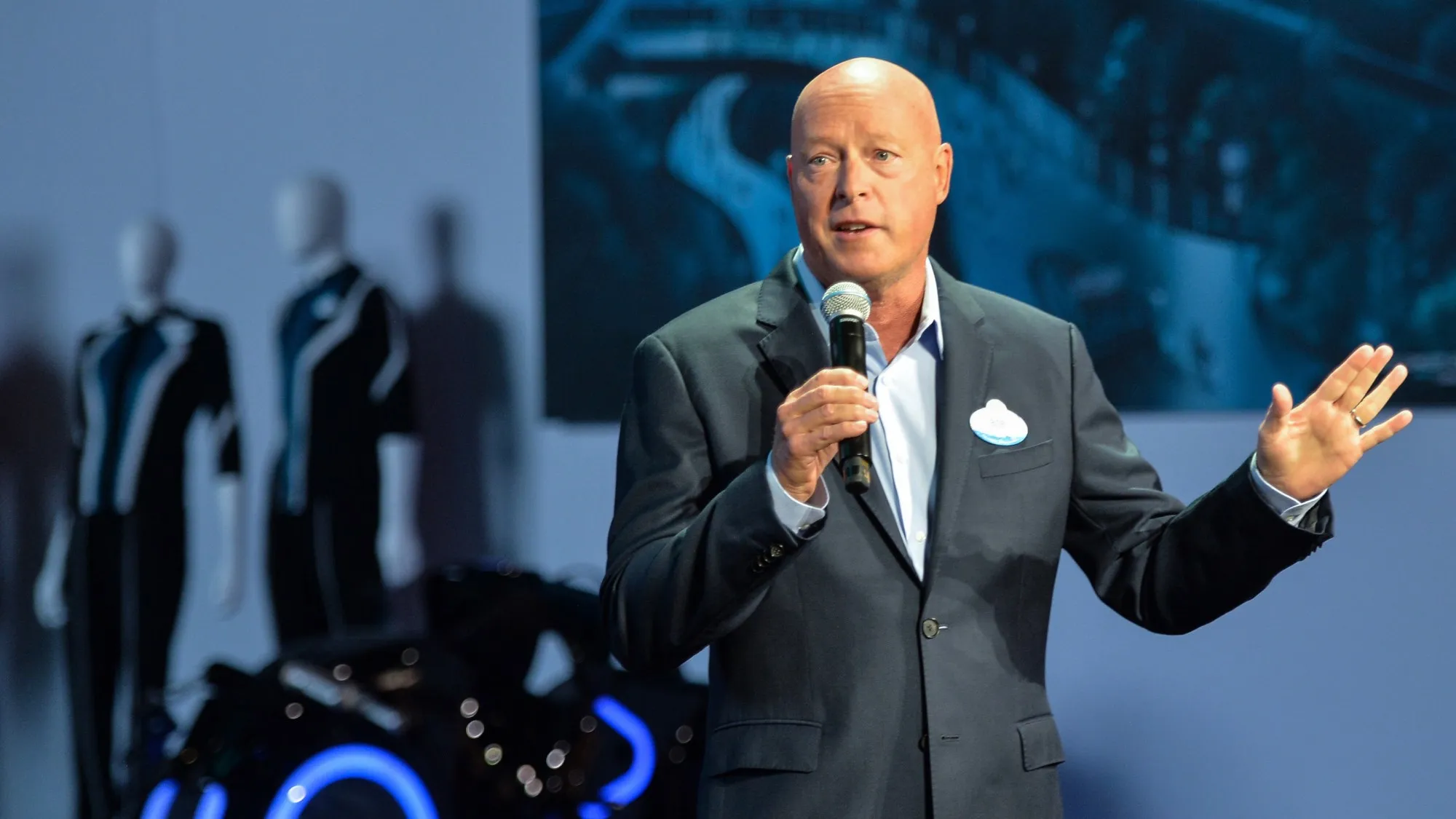
Disneyland focused on well-heeled “elite” visitors willing to pay more for tickets, perks and extras during former Disney CEO Bob Chapek’s eight-year tenure atop the Disney theme park division and the company.
Read more US halts prosecution of former CIA analyst accused of aiding South Korean intelligence
Chapek recalls how he prioritized long-distance vacationers who were Disneyland’s highest value customers over Magic Key annual passholders who were the Anaheim theme park’s most loyal customers in his new book “Behind the Castle Walls.”
“The passholder experience was a fantastic deal for the passholder, but a terrible one for Disney and its more vacation-oriented guests,” Chapek wrote.
ALSO SEE: Disneyland passholders stood in the way of maximizing profits, Chapek says
Chapek felt it wasn’t fair that families making a once-a-year pilgrimage to Disneyland were paying more per visit than passholders who had completely unfettered access to the park.
“With some passholders entering the park as many as 200 times a year, we needed to change the mix and lower the number of those frequent visitors,” Chapek wrote.
Disneyland passholders paid less per visit and generated less revenue than out-of-state families who spent more and stayed longer, Chapek wrote in the book.
“I understood I couldn’t abandon the most profitable market of long-distance vacation planners just to not disappoint the local annual passholders,” Chapek wrote.
ALSO SEE: Disneyland has 1.1 million Magic Key annual passholders
Chapek steadily and persistently raised prices and limited access on Disneyland annual passes to manage attendance and adjust the visitor mix.
“It was evident there were too many people relative to the parks’ capacities,” Chapek wrote. “To restore the magic of the experience, we needed to limit attendance.”
Read more Public Media Co’s bridge fund for nonprofit radio stations turns from rescue to reinvention
Letting in more visitors willing to pay top dollar was crucial to Disneyland’s economic success, according to Chapek.
“It became clear that not every guest in the Disney parks wanted the same experience, relative to the cost of delivering that experience,” Chapek wrote. “People didn’t want a one-size-fits-all solution.”
Chapek challenged his team to find ways to admit more affluent visitors to Disneyland while limiting the number of less profitable passholders.
“How could we offer unique experiences to those who could afford them without excluding less affluent families or those who didn’t want personalized experiences?” Chapek wrote.
ALSO SEE: When are the cheapest and priciest times to visit Disneyland?
One popular revenue-generating solution was guided VIP tours that cost $500 to $800 per hour.
“To try to meet market demand for more elite access and experiences while also trying to preserve the inclusive Disney atmosphere, my team and I decided to provide those opportunities in a discreet, behind-the-scenes manner that felt exclusive to those desiring bespoke experiences, but didn’t draw attention to them.”
Chapek applauded the passion and enthusiasm of Disneyland passholders who didn’t generate as much revenue as the big-spending visitors.
“As appreciated as they were, local Disney Adults didn’t drive the economics of the park with their annual pass,” Chapek wrote.
Read more House Democrats plan a first 100-days agenda if they sweep to power in midterm elections