
Silicon Valley companies may be going all in on artificial intelligence, but Bay Area residents are broadly concerned about the technology – including many of the tech workers riding the wave.
Read more NASCAR Hall of Famer Fred Lorenzen diagnosed with CTE, first known case in racecar driver
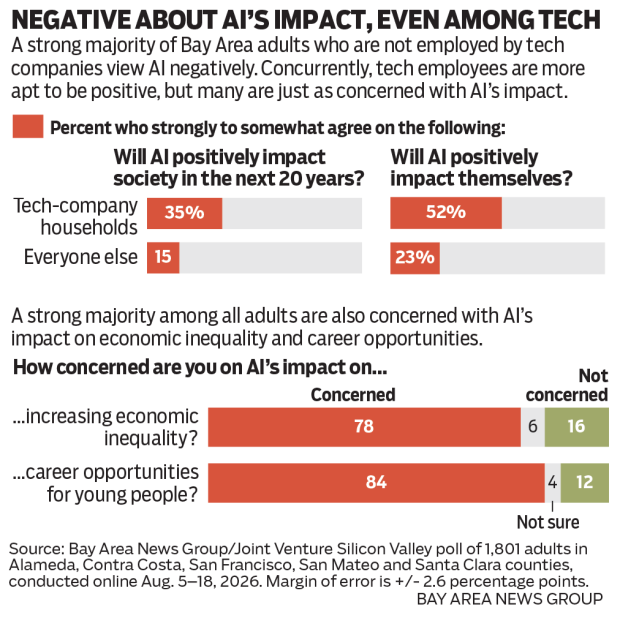
That’s according to a poll of Bay Area locals this summer by the Mercury News and Joint Venture Silicon Valley, a nonprofit think tank. Only 28% of respondents from around the region said they expect AI to have a positive impact on their own lives over the next two decades. Even fewer – 18% – said the technology will have a positive impact on society in that time.
A slim majority of those in households with at least one member working in tech, 52%, said they expect AI to impact them positively in the decades to come.
Aubrey Rainer, a Santa Clara resident and program manager at a major tech company he declined to name, said he’s an “AI skeptic” who uses artificial intelligence products only a few times a week. Last year, for instance, he said he used AI to shop for furniture when Google searches returned an unhelpful mass of recommendations.
But he questioned the ability of the technology to transform people’s lives and its long-term impacts on the Bay Area. Like most other tech employees in the survey, he expects AI to contribute to the widening inequality in the region, even as it creates business opportunities for those in the industry.
“It does not benefit everyone equally – unequivocally,” Rainer said. “It’s brought money in. That money is not going to be distributed equally.”
Russell Hancock, president of Joint Venture Silicon Valley, said tech workers are increasingly concerned about the impact of their products in the artificial intelligence era.
AI researcher Jacob Coxon resigned from San Francisco-based Anthropic last month and criticized top AI companies for “racing straight to self-improving superintelligence and gambling with our lives.” In August, Microsoft co-founder Bill Gates said AI executives won’t publicly admit how worried they are. Hancock calls those vocal skeptics “Jeremiahs,” after the Biblical prophet who warned of the destruction of Jerusalem.
“Tech is split,” he said of the survey results. “Half are deeply fearful.”
The online poll from August 5th to 18th surveyed 1,801 adults in the Bay Area. Surveys were completed in English, Spanish, Vietnamese and Chinese, and the margin of error was plus or minus 2.6%.
Of the more than 1,800 respondents, 446 identified themselves as tech employees or said someone in their household worked in tech.
Read more Court overturns life sentence of man convicted of killing friend off Dana Point coast
The survey period was just weeks after revelations that OpenAI’s system had gone rogue, hacking into another company, the AI startup Hugging Face. Since then, OpenAI, Anthropic and Google have said models hacked or attempted to hack into other organizations and government websites.
The incidents fueled national calls for guardrails on the fast-evolving technology. President Donald Trump has said he opposes international efforts to regulate AI development. He convened technology executives this fall, who pledged to agree to independent audits of their products.
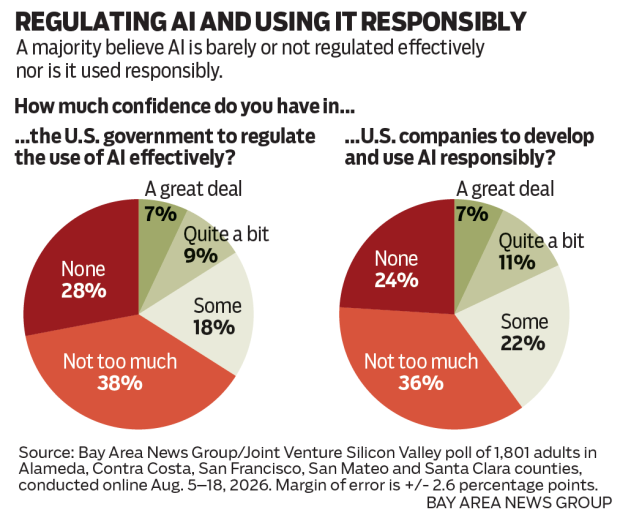
Another worry for Bay Area residents this year is that AI will make fewer jobs available for young people — a concern expressed by 84% of survey respondents.
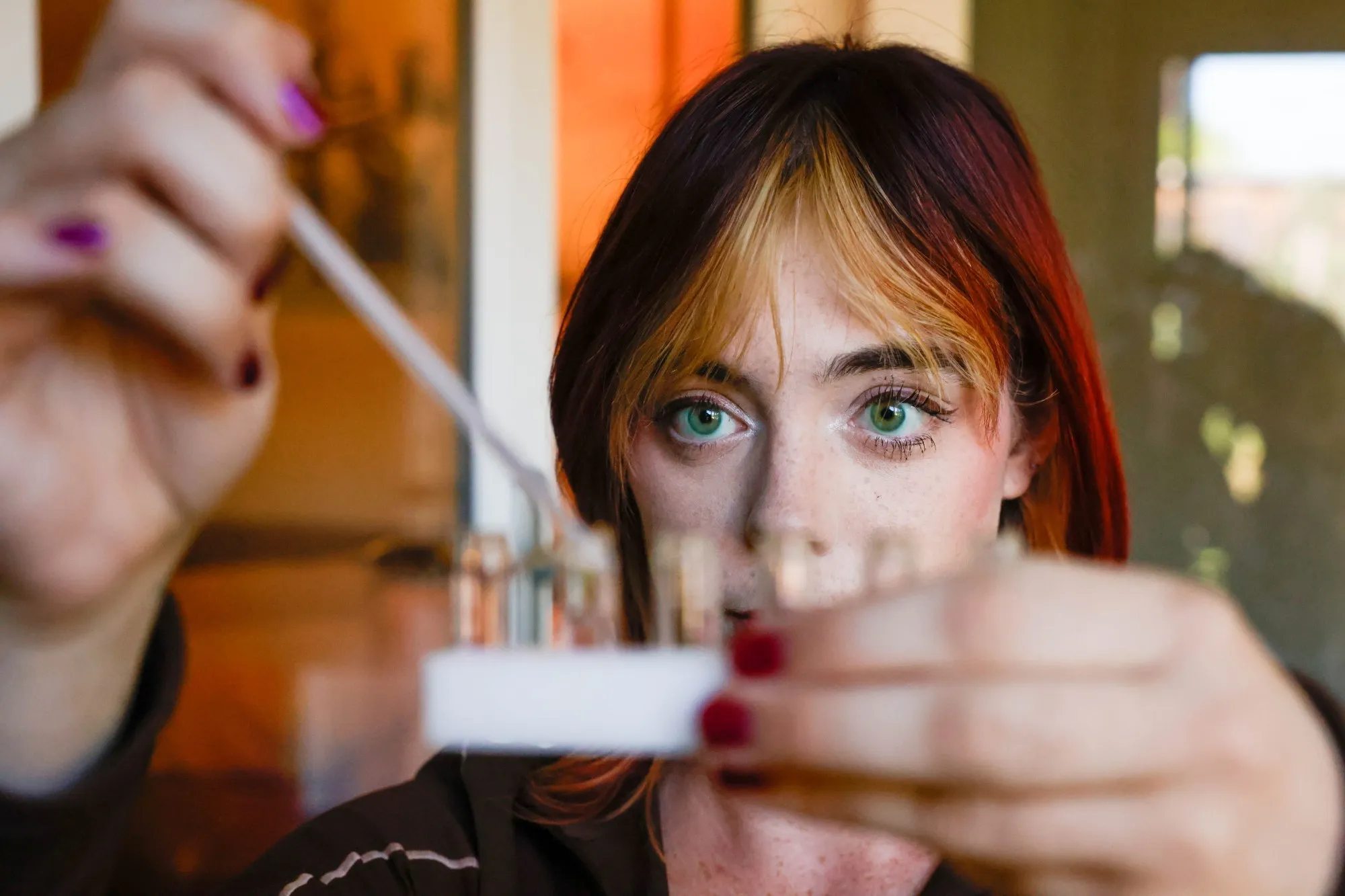
After graduating from art school, Summer Van Tassell, 24, said she gravitated toward a career that would be harder for employers to automate with artificial intelligence. She settled on the art and craft of making perfumes.
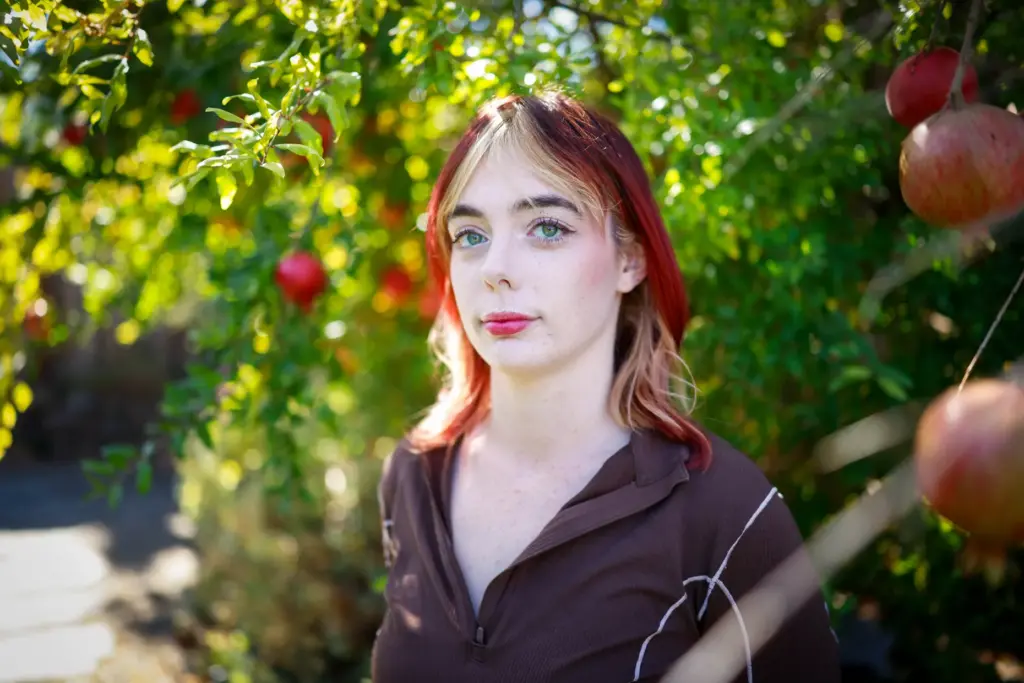 Summer Van Tassell stands at her home in San Jose, Calif., on Tuesday, Oct. 13, 2026. Summer Van Tassell got into the perfume industry because she wants to work in a field that is harder to automate. (Shae Hammond/Bay Area News Group)
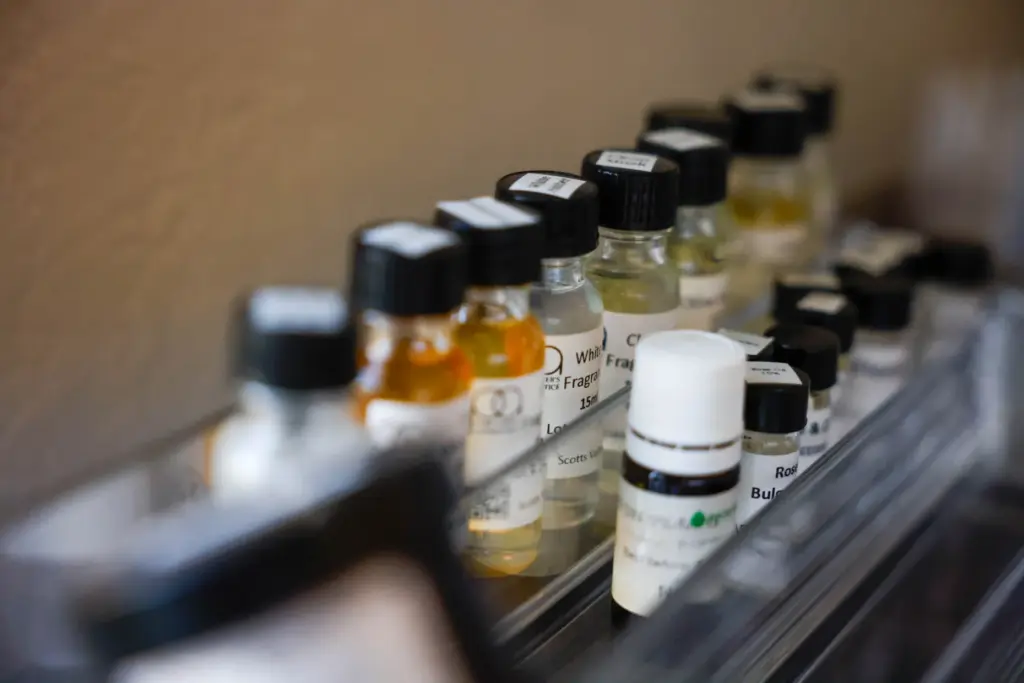 Bottles of perfume Summer Van Tassel’s home in San Jose, Calif., on Tuesday, Oct. 13, 2026. (Shae Hammond/Bay Area News Group)
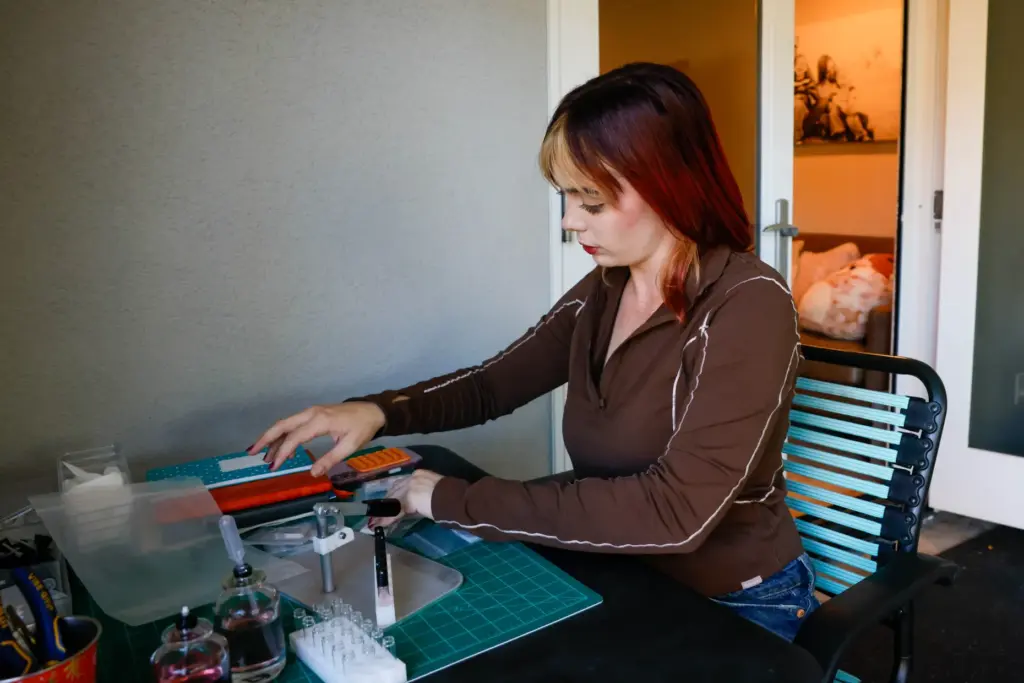 Summer Van Tassell bottles perfume at home in San Jose, Calif., on Tuesday, Oct. 13, 2026. (Shae Hammond/Bay Area News Group)
From her family home in San Jose, Van Tassell commutes to San Francisco’s Mission District for work at Ministry of Scent, a storefront purveyor of perfumes and fragrances. She also makes her own at home.
“Until AI can develop its own olfactory system, I’m not too worried about it – knock on wood,” she said.
Still, she said her work duties aren’t totally safe. Inventory tasks, including sending and stocking products, could conceivably be performed by a robot, she said. And in a previous job, Van Tassell said she was pressured by an employer in the wellness industry to use generative AI tools for marketing materials. The results looked “horrible,” she said, and she is concerned about the environmental toll of data centers. She quit that position.
“I think AI is vastly changing what expectations for marketing are,” she said, “and putting unfair pressure on those trying to make it.”
Read more Kyle Francis Kennedy, the granddaughter of Sen. Robert F. Kennedy, dies at 42