
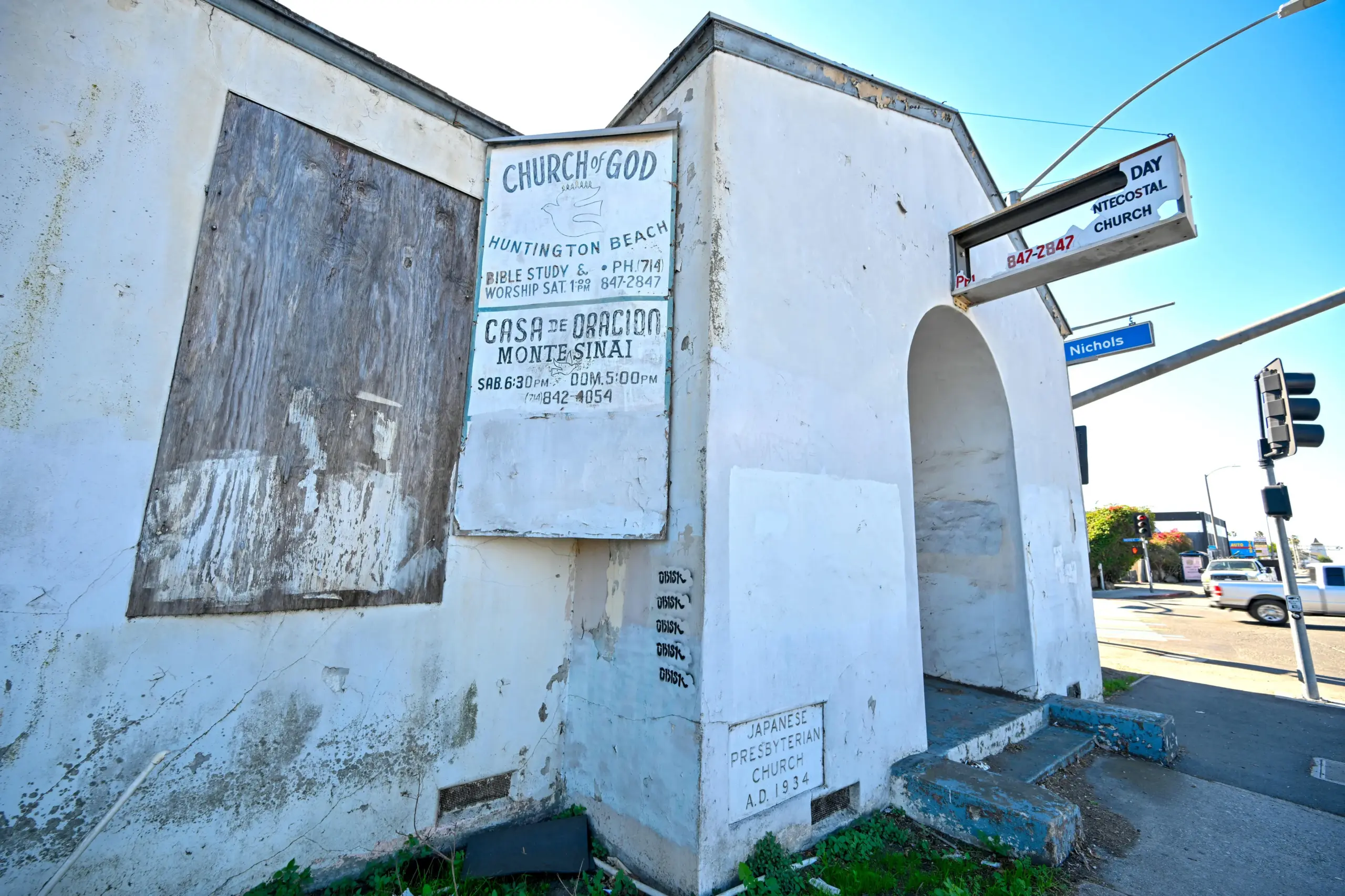
Kimberlee Morris, an English teacher at Ocean View High, drove by the buildings at Warner Avenue and Nichols Lane for 40 years before she realized what they were.
Read more Pacifica football no match for Barstow in first round of CIF-SS playoffs
From when Morris attended Ocean View as a teenager to her 21 years teaching at the school, the Winterburg Mission in Huntington Beach sat empty and fenced off, marked by a spray-painted wall.
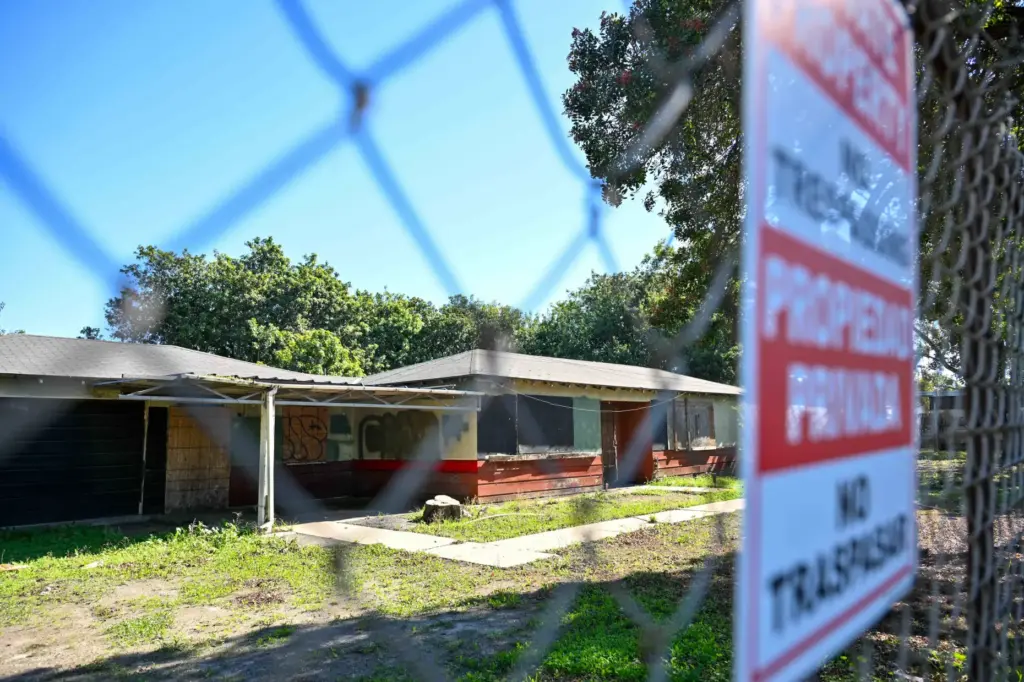 The Historic Wintersburg property, in Huntington Beach, the site of one of the oldest Japanese settlements in Southern California, is slated for a long over-due renewal in Huntington Beach on Tuesday, November 10, 2026. (Photo by Karen Tapia / Orange County Register, SCNG)
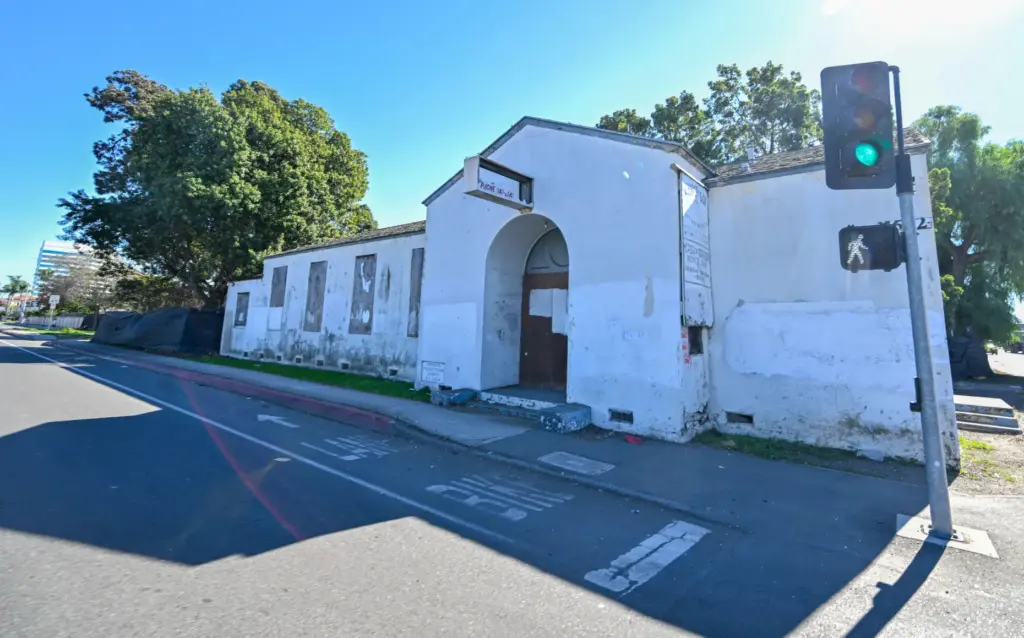 The Historic Wintersburg property, in Huntington Beach, the site of one of the oldest Japanese settlements in Southern California, is slated for a long over-due renewal in Huntington Beach on Tuesday, November 10, 2026. (Photo by Karen Tapia / Orange County Register, SCNG)
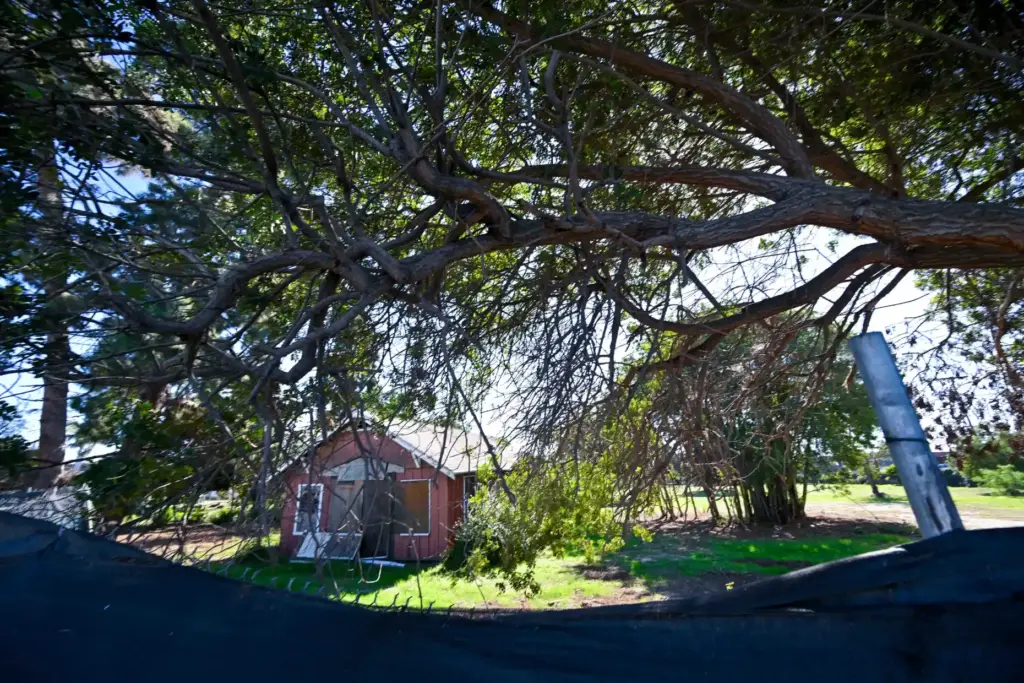 The Historic Wintersburg property, in Huntington Beach, the site of one of the oldest Japanese settlements in Southern California, is slated for a long over-due renewal in Huntington Beach on Tuesday, November 10, 2026. (Photo by Karen Tapia / Orange County Register, SCNG)
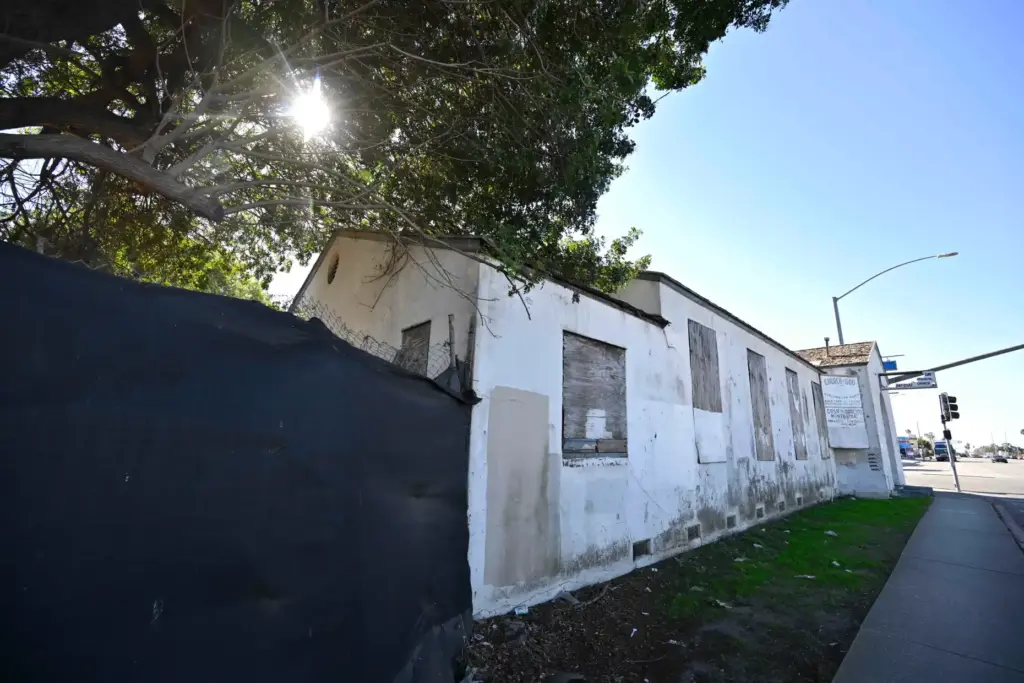 The Historic Wintersburg property, in Huntington Beach, the site of one of the oldest Japanese settlements in Southern California, is slated for a long over-due renewal in Huntington Beach on Tuesday, November 10, 2026. (Photo by Karen Tapia / Orange County Register, SCNG)
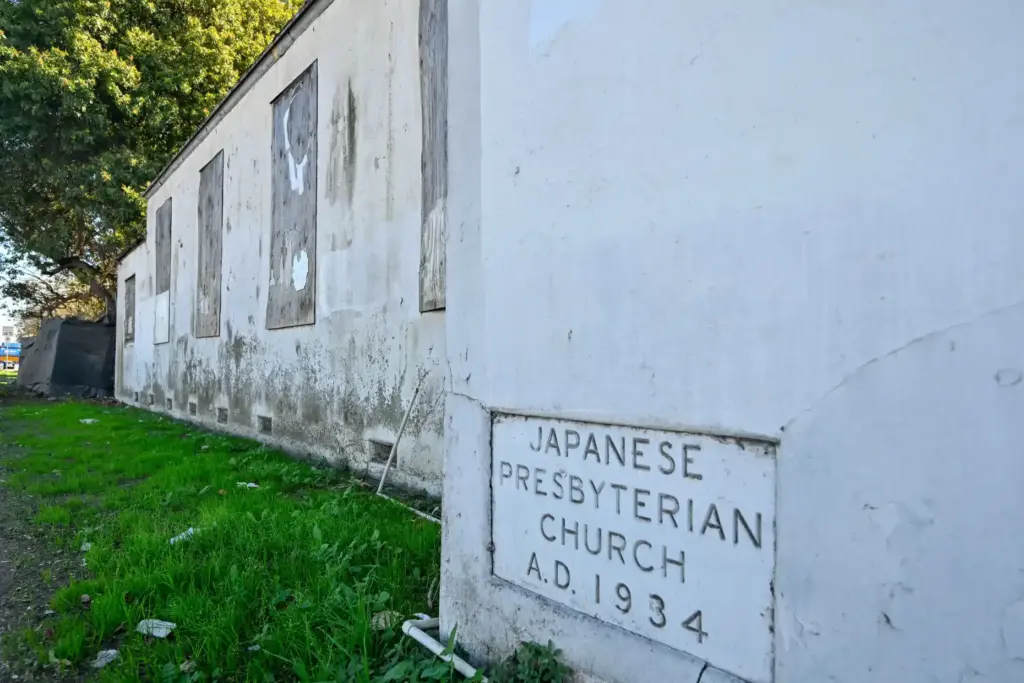 The Historic Wintersburg property, in Huntington Beach, the site of one of the oldest Japanese settlements in Southern California, is slated for a long over-due renewal in Huntington Beach on Tuesday, November 10, 2026. (Photo by Karen Tapia / Orange County Register, SCNG)
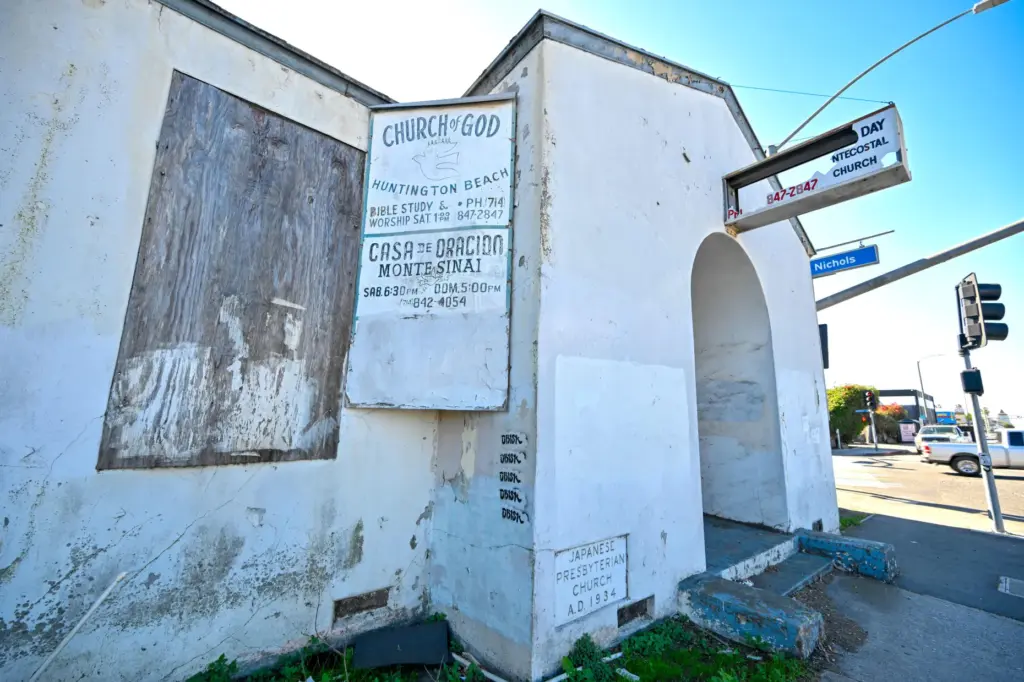 The Historic Wintersburg property, here on Tuesday, November 10, 2026, is the site of one of the oldest Japanese settlements in Southern California. The Historic Winterburg Conservancy will begin construction on new foundations for the relocation of three structures on the property. (Photo by Karen Tapia / Orange County Register, SCNG)
“It is a curious place because it’s boarded up, and it’s dilapidated, and it’s pushed right up onto the edge of the sidewalk and so it is in your face,” Morris said, so it prompts the questions, “What is this place, and why is it here, and why is it abandoned?”
The Historic Wintersburg Conservancy is expecting to soon be able to answer one other common question: What’s in store for the property, the site of one of the oldest Japanese settlements in Southern California. It plans to soon begin construction on new foundations for the relocation of three structures using a $50,000 grant from the Asian & Pacific Islander Americans in Historic Preservation (APIAHiP).
The conservancy is aiming to complete the foundation project by the end of 2027, and wants to eventually fully restore and open the property to the public.
The conservancy envisions an amenity for the community, with an amphitheater, gardens, and cherry blossom trees.
At the red light on Warner Avenue, on her way to teach her ninth-grade English students about the internment of Japanese Americans through historical fiction, Morris said she connected the dots.
“I was sitting there at the light, and I looked over, and then for whatever reason, scanned down to the cement placard at the base of the entry. It says ‘Japanese Presbyterian Church, circa 1934′, and then a wave came over me,” she said. “They were taken. That’s why that church doesn’t exist anymore.”
Seeing a strong connection between her curriculum and the property in the school’s backyard, she assigned her ninth-graders a final project: What could a renovated Wintersburg look like?
Her students were curious about the neighborhood property and disappointed that it was left in disrepair. For their project, they came up with features such as a theater, a museum, and a community park. Morris said the most creative was an educational escape room, guiding visitors through Japanese American history.
“They were trying to do something that the community would actually go to, they would be invested in it,” Morris said. “It could be self-sustaining. It could be something for the local community.”
The Historic Wintersburg property is the only Japanese American agricultural site that remains intact, telling the story of before, during, and after Japanese incarceration. Ernie Nishii, president of the Historic Wintersburg Conservancy, agrees with students about its possibilities, and said he also hopes to restore the property with an educational site for future generations to learn about Japanese American history.
“We can see all of us in Wintersburg. Everybody can be part of that history,” Nishii said. “(Visitors could) walk through that site and understand what it would mean to be Japanese American in the 1900s, in a farming community, the trials and tribulations, and how they became part of the American dream.”
Read more Los Alamitos support center opens to help with claims related to GKN Aerospace chemical scare
For now, the grant will fund what APIAHiP Executive Director Huy Pham calls the “ground level historic preservation,” by constructing foundations for the relocation of the remaining buildings.
“It might not be as publicly appealing and flashy as a brand new exhibit space or refinishing the home for its grand opening,” Pham said. “(But it’s) the initial steps that they need to take.”
In the past decade-plus, Historic Wintersburg, named one of the 11 most endangered historic places in America, has faced a potential sale, zoning disputes, lawsuits, and a 2022 fire that burned down one of six historic buildings.
The historic buildings are on a 4.5-acre plot acquired in 2014 by Republic Services, the second-largest waste management company in the U.S., from a previous waste company.
Across the street from Wintersburg and Oak View Elementary, Republic Services operates a waste disposal facility. After several lawsuits, the Ocean View School District got Republic Services to enclose the open waste dump and won the right to deny further development on the Wintersburg property.
Pham said a case like Wintersburg’s, with three parties involved, is rare and can complicate the development of the property. He says that’s why the lot sat empty for years.
However, the conservancy has been successful in working with the school district and getting the cooperation of Republic Services to allow grant funding to rebuild on the property.
“(The conservancy) was stubborn in the right positive ways in order to make people be more creative, try a little harder,” Pham said
With the help of APIAHiP, the conservancy is in the process of finding a structural engineer, building mover, and working with an architect to design future plans.
Next, the conservancy will need to secure funding to move the buildings onto their new foundations, potentially costing close to $250,000 to move two buildings 400 feet, according to Pham. A community fundraiser was held Saturday night.
Nishii estimates it may take three years before doors are open to the public.
But Jamie Hiber, Historic Wintersburg Conservancy board member, said the board, run by community volunteers, is energized by each small win.
“We are well aware of the work ahead of us. It doesn’t mean that we’re naive to any of that,” Hiber said. “It just means that we believe in what we’re doing, and I think it’s been a little bit contagious with the community because we’re just genuinely excited about the possibility of all this coming to fruition.”
Read more Fullerton, Valencia win first-round games in regional girls volleyball playoffs