
By WYATTE GRANTHAM-PHILIPS
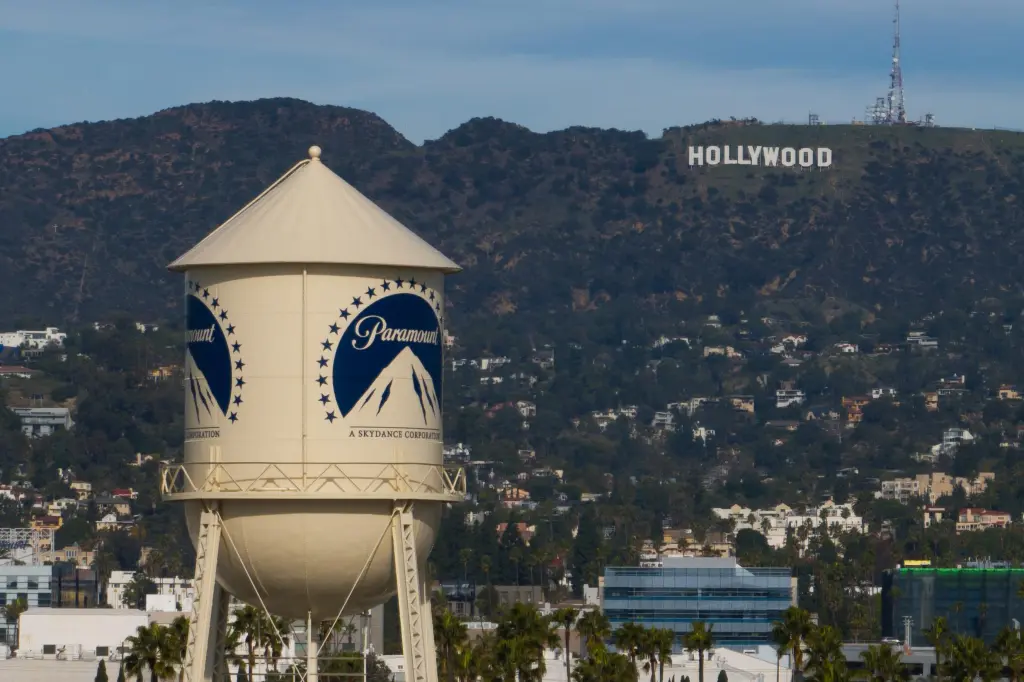
Twelve states challenged Paramount’s takeover of Warner Bros. Discovery on Monday, filing a lawsuit that argues the $81 billion mega merger would “extinguish competition” in Hollywood and threaten jobs across the industry.
Read more Actress Wai Ching Ho, known as Marvel villain Madame Gao, dies at 82
The office of California’s attorney general, who is leading the case, said the states are asking Warner and Paramount to not close their merger “until after the judicial process concludes” — and if the companies do not agree, the coalition will then file a temporary restraining order.
“The unlawful merger of these two entertainment behemoths would lead to higher prices, lower quality, and less content for film and television, harming movie theaters, basic cable distributors, and ultimately, audiences on every sofa and movie theater seat in the U.S.,” California Attorney General Rob Bonta said in a statement.
The additional states joining the suit include Arizona, Colorado, Connecticut, Massachusetts, Minnesota, Nevada, New Jersey, New Mexico, New York, Oregon and Washington. Skydance-owned Paramount did not immediately respond for a request for comment on Monday — and Warner deferred to Paramount for further statements.
Paramount, which was bought by Skydance just last year, wants all of Warner. That would mean putting HBO Max, cult-favorite titles like “Harry Potter” and even CNN under the same roof with CBS, “Top Gun” and the Paramount+ streaming service.
The states’ lawsuit could throw a wrench in those plans, at least for now. The antitrust case arrives at a pivotal time for the Paramount-Warner transaction — which, after months of what became a very public bidding war with Netflix, received shareholders’ stamp of approval in April and then a blessing from the Trump administration just last month.
The U.S. Justice Department isn’t challenging the deal — and instead released an unusually lengthy statement in support, maintaining a Paramount-Warner combo would “increase competition across the media and entertainment ecosystem, with benefits for American consumers and workers.”
Read more Surveillance technology is inevitable. Or is it?
Paramount has touted additional regulatory clearances it says it’s received in a handful of other countries, including China, Canada and Australia. But other reviews remain in progress, including in the European Union and the U.K. — which has separately suggested it may intervene.
Paramount and Warner previously said they hoped to close their deal sometime in the third quarter of this year, signaling recently an effort to complete process in the coming weeks. The clock is ticking. Paramount pledged to give shareholders some compensation if the acquisition doesn’t close by Sept. 30 — in the form of a 25-cent per share “ticking fee” for every quarter past that date. It’s also agreed to a regulatory termination fee of $7 billion.
Including debt, Paramount’s proposed purchase of Warner is valued at nearly $111 billion (or $31 per share) based on current outstanding shares.
Warner and Paramount argue that merging will be good for growth in the industry and give consumers access to more content, particularly if HBO Max and Paramount+ libraries are combined. But critics have decried what further consolidation could mean in an industry already controlled by just a few major players.
Thousands of actors, directors, writers and other industry professionals have voiced “unequivocal opposition” to the Paramount deal, arguing that further consolidation will lead to job losses and fewer choices for filmmakers and movie goers. Many lawmakers have similarly sounded the alarm.
Democrats have expressed skepticism about whether regulators working under President Donald Trump would scrutinize the deal as heavily, with questions of political influence piling up.
Read more World Cup semifinals: Four previous champions, a bitter rivalry, Mbappé vs Yamal and Messi vs Kane