
Last year, California’s elected leaders passed a law, SB 1383, requiring we separate our organic waste for recycling.
Read more Cooking with Judy: Hacking meals to enjoy at home
That includes table scraps, coffee grounds, egg shells, leftovers you brought home from a restaurant but never ate, plus that moldy cheese in the back of the fridge with a pull date from sometime last month.
All those unappetizing items go in your brown yard waste cart, not the black trash cart or the blue recycle cart.
So over the past year, have you gotten into the habit of putting your food scraps and other organic waste into the brown cart?
I have, and have never had the cart crawling with ants or other critters. I try to always sandwich my food waste between yard clippings. If the cart is empty, I put newspaper in the cart bottom, and then toss in the chicken bones, moldy cheese and other garbage. And I always seem to have leaves and weeds to add to it until the yards are mowed that week.
Are you disposing of your food waste correctly?
“The city of Brea participation has been strong, with more than 70% of customers currently compliant,” according to George Llerena, municipal supervisor for Republic Services. He added that most residents are effectively using their yard waste carts for organic waste.
Liz Pharis, Brea’s public information officer, added that Brea’s organics program is going well and with good participation.
“City staff are focusing efforts on community education and outreach efforts since contamination is still being found in carts,” she said.
I did my own survey of 30 Breans and found the majority who responded were recycling organics correctly, but several others were inconsistent in organic recycling, and a few claimed they don’t bother with doing it because they don’t want ants in the cart.
A few of the “sometimes” recyclers said they often forget what goes in what cart. Not Rita C., who said that is not a problem because she put the stick-on posters, showing what goes in each cart, that Republic sent us.
Read more Anaheim Hills briefs: Get ready for the Fancy Nancy Teddy Bear Birthday Bash
Republic’s same list of “what goes where” was also recently mailed to us. And we’ve received numerous mailed and online reminders from the city.
What happens to the organics and other stuff collected each week? Llerena noted Republic collects approximately 340 to 450 tons of organic material each month in Brea. That surprised me too.
“After initial processing, material is sent to third-party partners for conversion into compost, renewable natural gas and soil amendments,” said Llerena.
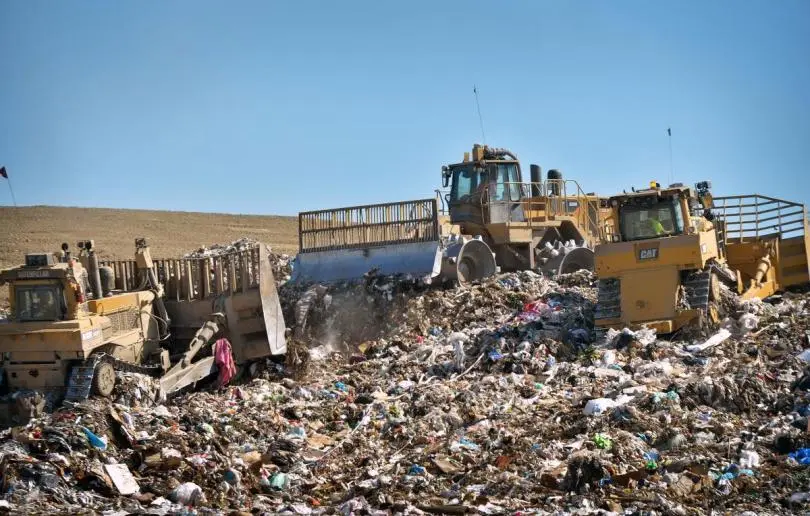
Sounds good, but contaminated items in the organic waste stream, including pet waste, disposable diapers, textiles, treated wood, dirt and other non-compostables go to the landfill.
I was pleased to learn that cloth diapers are available at Walmart, and there are a couple of diaper service companies serving our area. Give it a try, and keep fewer disposable diapers out of the landfill.
What about those who don’t bother to separate the organics or recyclables? Republic and the city of Brea has “containment monitors” who randomly take a peek in our carts at the curb. If you are not sorting your organics and other discards correctly, you may get a reminder tag on the cart on what goes where. In the near future, fines may be involved.
Come get some of your organics back in the form of bagged compost from 7 to 10 a.m. on June 6 at the Brea Community Center. It is a free compost and paper shredding event, and good time to get rid of those 1990s tax returns.
Terri Daxon is a freelance writer and the owner of Daxon Marketing Communications. She gives her perspective on Brea issues twice a month. Contact her at [email protected].
Read more Happy, who taught researchers that elephants can recognize themselves, is euthanized at Bronx Zoo