
Lighthouse, a California sea lion with just one eye, sat at the edge of his kennel, watching the churning surf off Crystal Cove State Beach.
Read more Why selling real estate remains one of the most exciting spaces
Next to him, Hollander backed up in her kennel, a little unsure. Also a pup, she had ingested a fishing hook, but after surgery at the Pacific Marine Mammal Center in Laguna Beach, she recovered. After about 20 minutes, the PMMC rescue team overseeing their release called it, and the two pups were taken back to the center on Laguna Canyon Road.
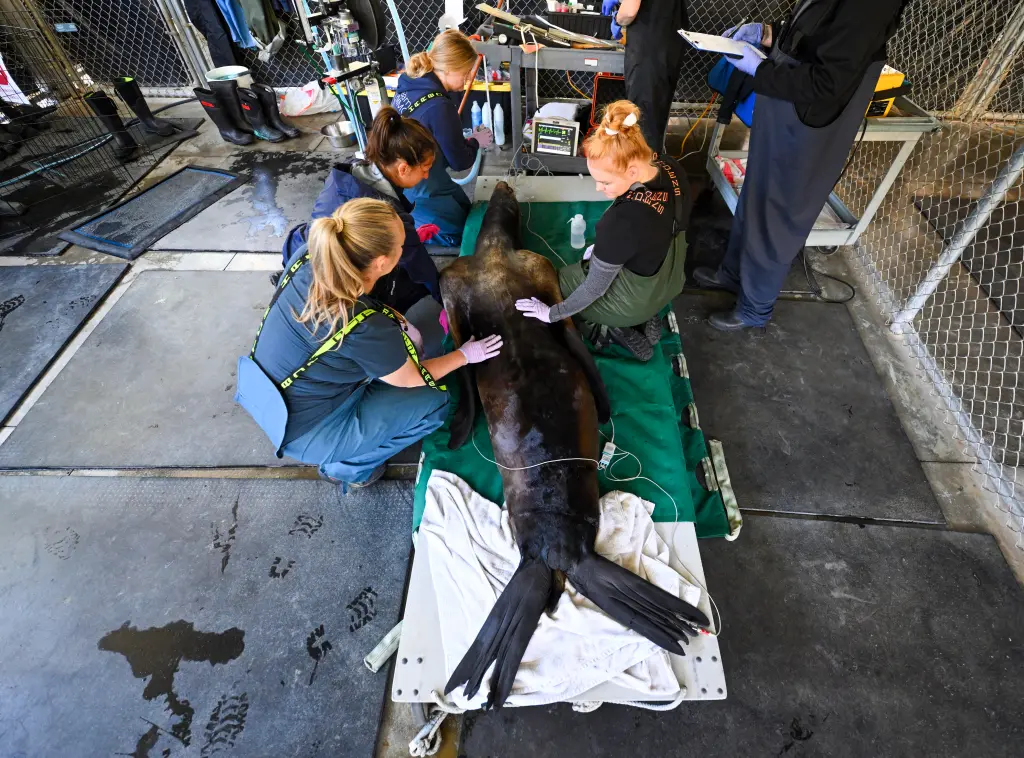
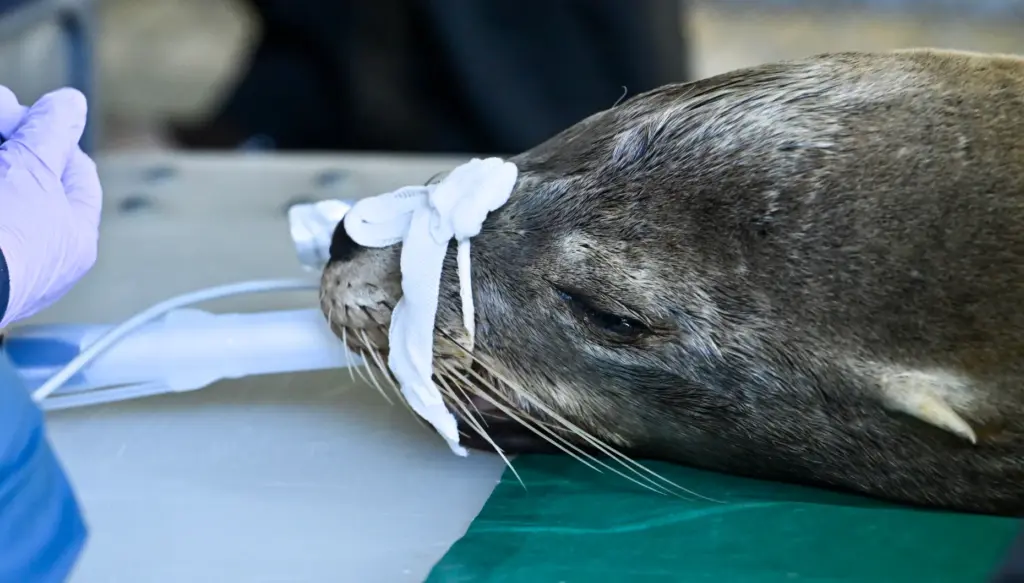 Veterinarians takes examine Panama, a sick adult sea lion, at Pacific Marine Mammal Center in Laguna Beach on Monday, June 8, 2026. The mammal was found a day earlier on the beach at The Wedge in Newport Beach. (Photo by Jeff Gritchen, Orange County Register/SCNG)
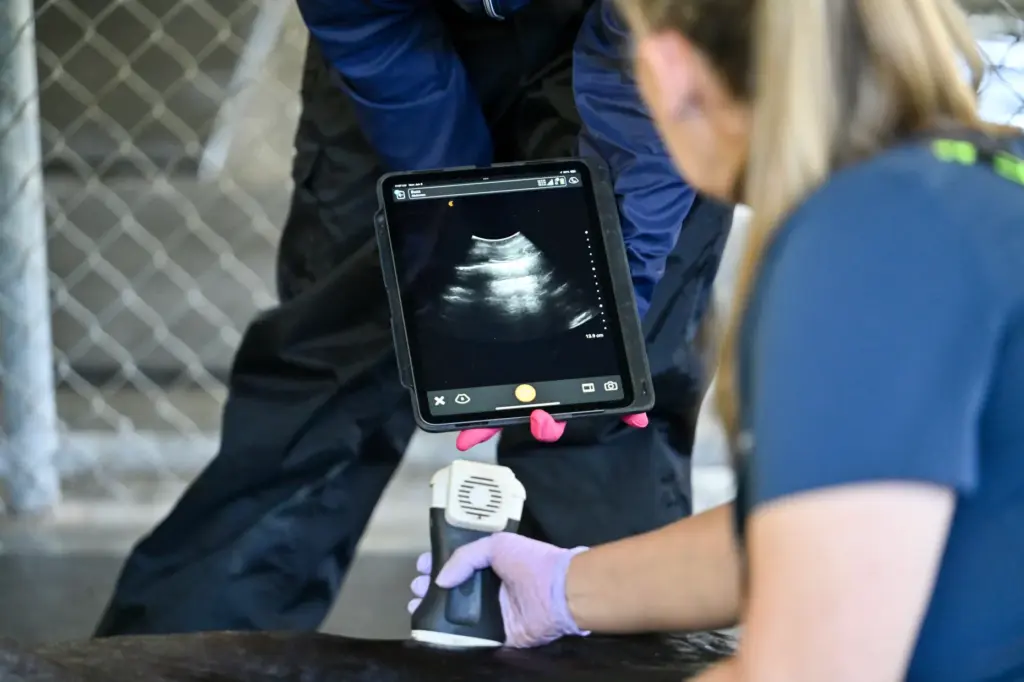 Dr. Alissa Deming, left, vice president of conservation and medicine gets an ultrasound of Panama, a sick adult sea lion, at Pacific Marine Mammal Center in Laguna Beach on Monday, June 8, 2026. The mammal was found a day earlier on the beach at The Wedge in Newport Beach. (Photo by Jeff Gritchen, Orange County Register/SCNG)
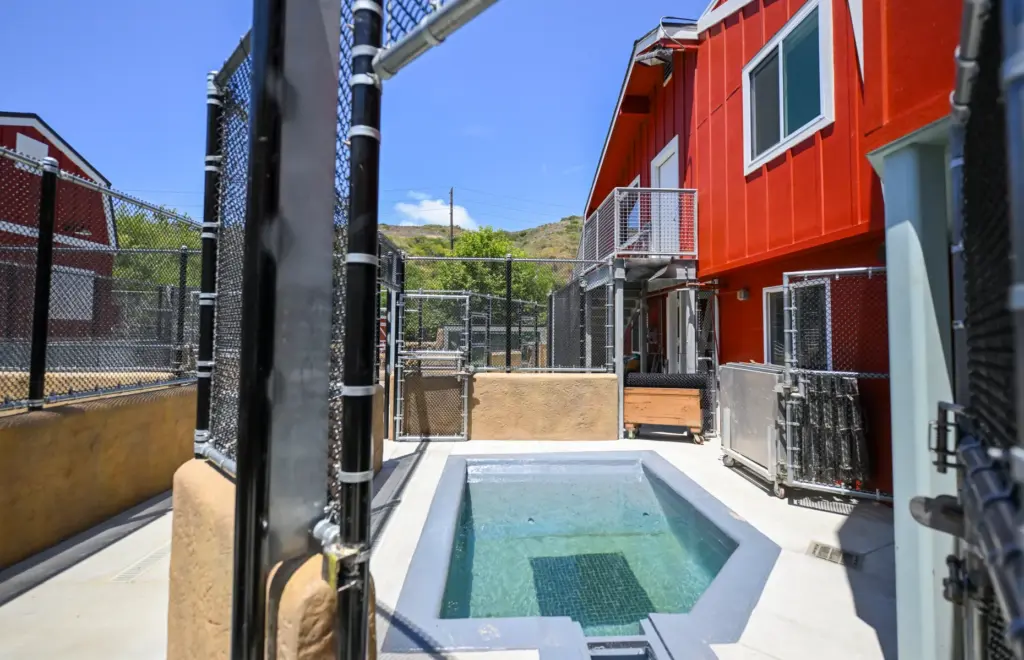 New and remodeled pools at the at the Pacific Marine Mammal Center in Laguna Beach on Monday, June 8, 2026. (Photo by Jeff Gritchen, Orange County Register/SCNG)
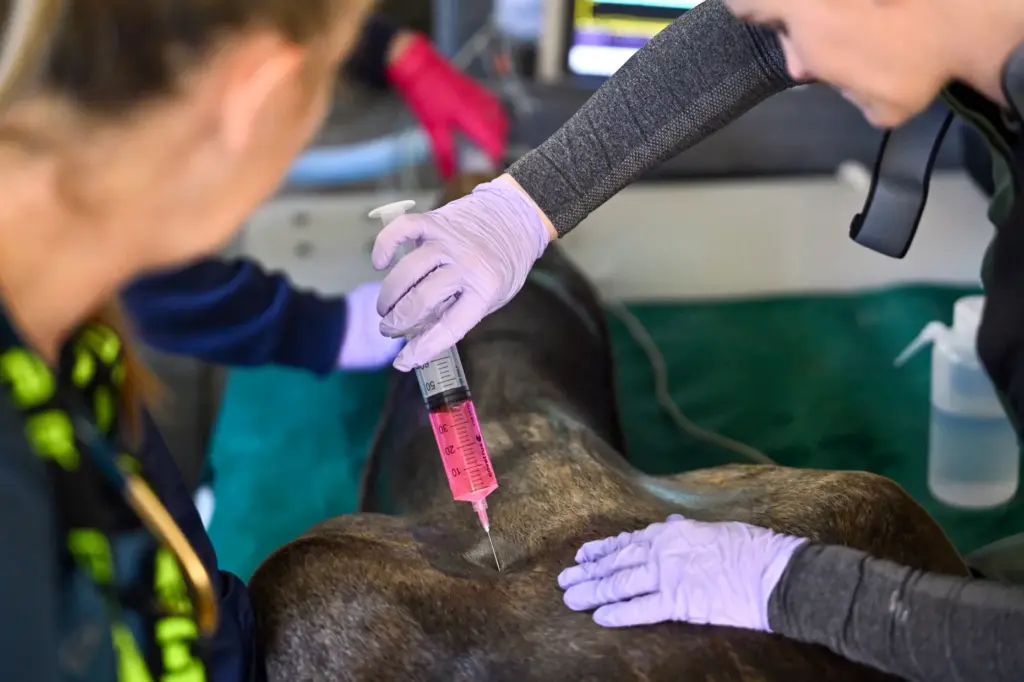 Veterinary intern, Dr. Sydney Zotto, euthanizes Panama, a sick adult sea lion, at Pacific Marine Mammal Center in Laguna Beach on Monday, June 8, 2026. The mammal was found a day earlier on the beach at The Wedge in Newport Beach. (Photo by Jeff Gritchen, Orange County Register/SCNG)
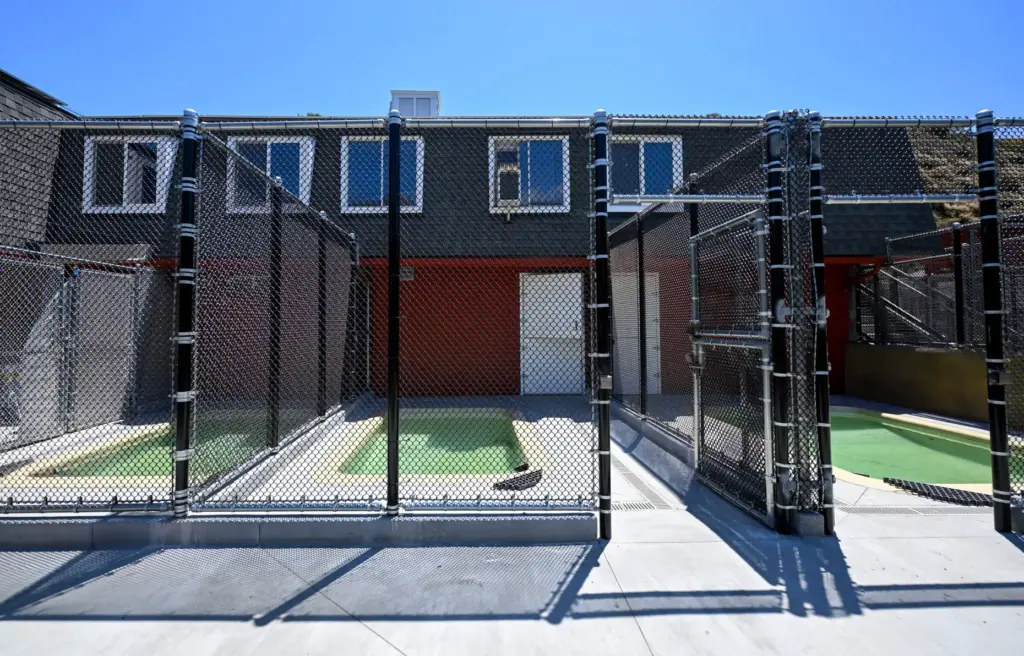 New and remodeled pools at the at the Pacific Marine Mammal Center in Laguna Beach on Monday, June 8, 2026. (Photo by Jeff Gritchen, Orange County Register/SCNG)
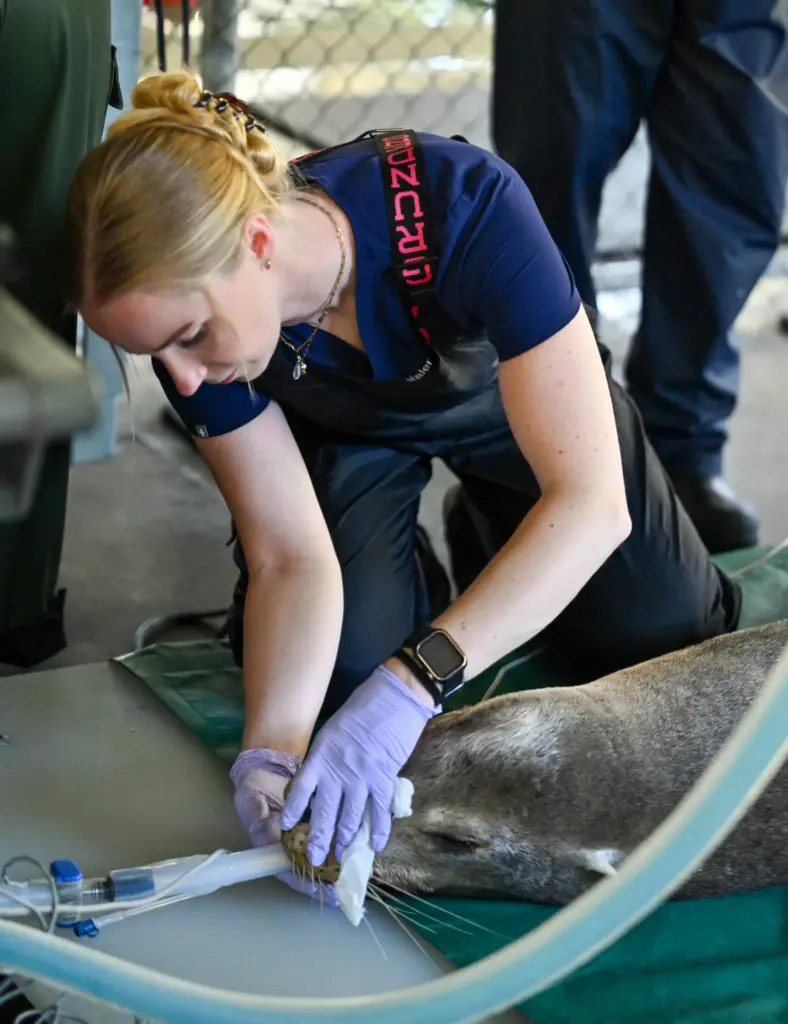 Veterinary assistant Malena Berndt examines Panama, a sick adult sea lion, at Pacific Marine Mammal Center in Laguna Beach on Monday, June 8, 2026. The mammal was found a day earlier on the beach at The Wedge in Newport Beach. (Photo by Jeff Gritchen, Orange County Register/SCNG)
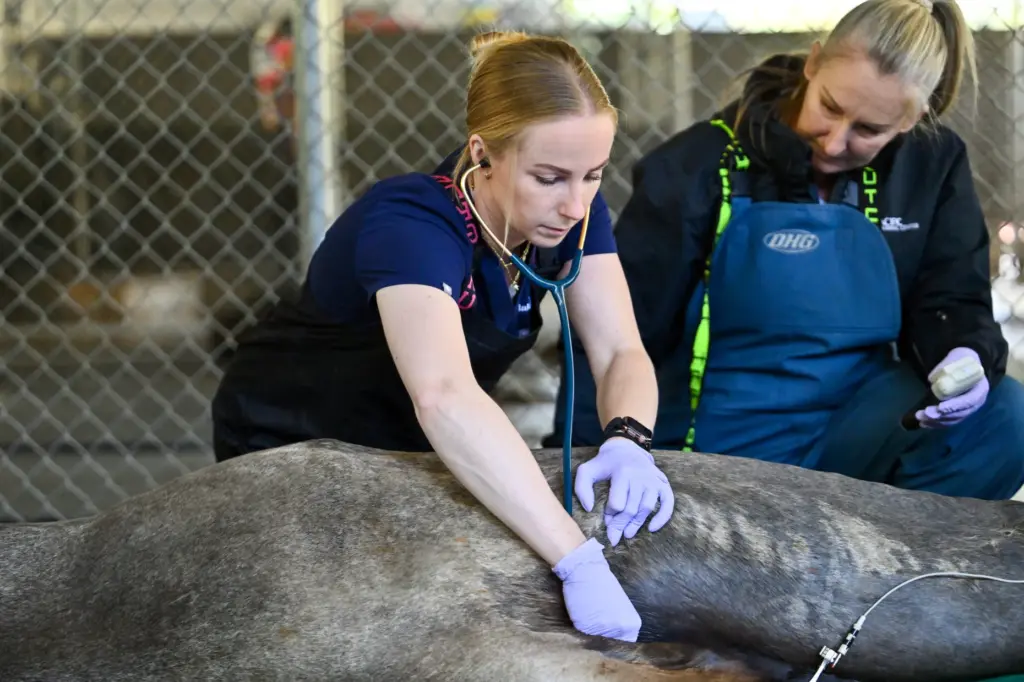 Veterinary assistant Malena Berndt, left, and Dr. Alissa Deming, left, vice president of conservation and medicine, right, examine Panama, a sick adult sea lion, at Pacific Marine Mammal Center in Laguna Beach on Monday, June 8, 2026. The mammal was found a day earlier on the beach at The Wedge in Newport Beach. (Photo by Jeff Gritchen, Orange County Register/SCNG)
 A new public viewing area at the at the Pacific Marine Mammal Center in Laguna Beach on Monday, June 8, 2026. (Photo by Jeff Gritchen, Orange County Register/SCNG)
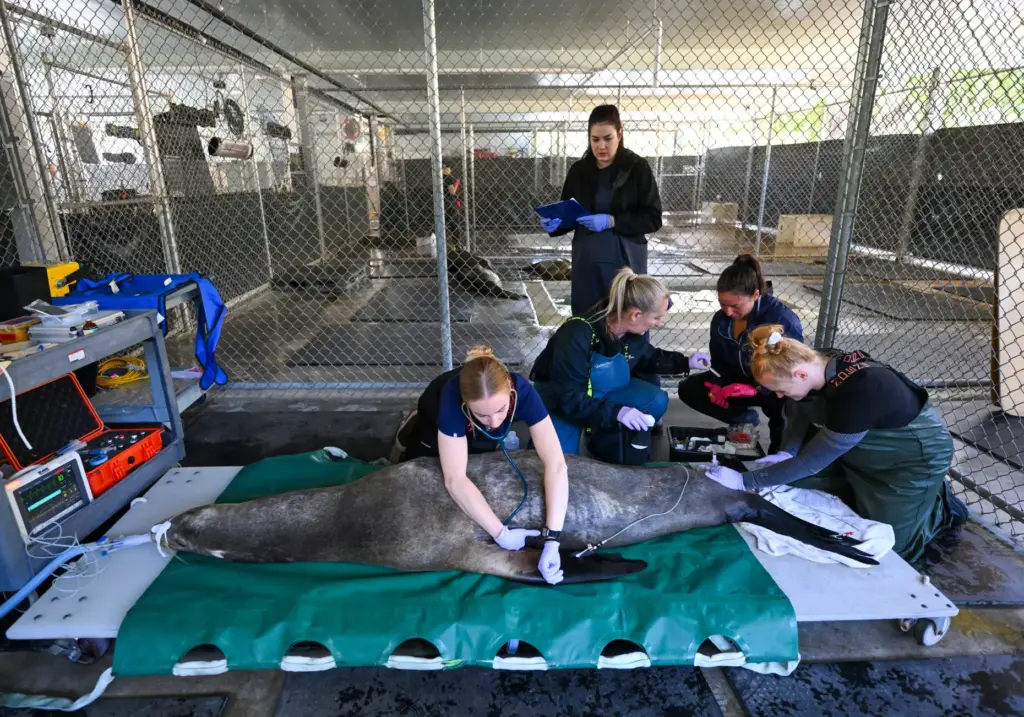 Staff at the Pacific Marine Mammal Center examine Panama, a sick adult sea lion, in Laguna Beach on Monday, June 8, 2026. The mammal was found a day earlier on the beach at The Wedge in Newport Beach. (Photo by Jeff Gritchen, Orange County Register/SCNG)
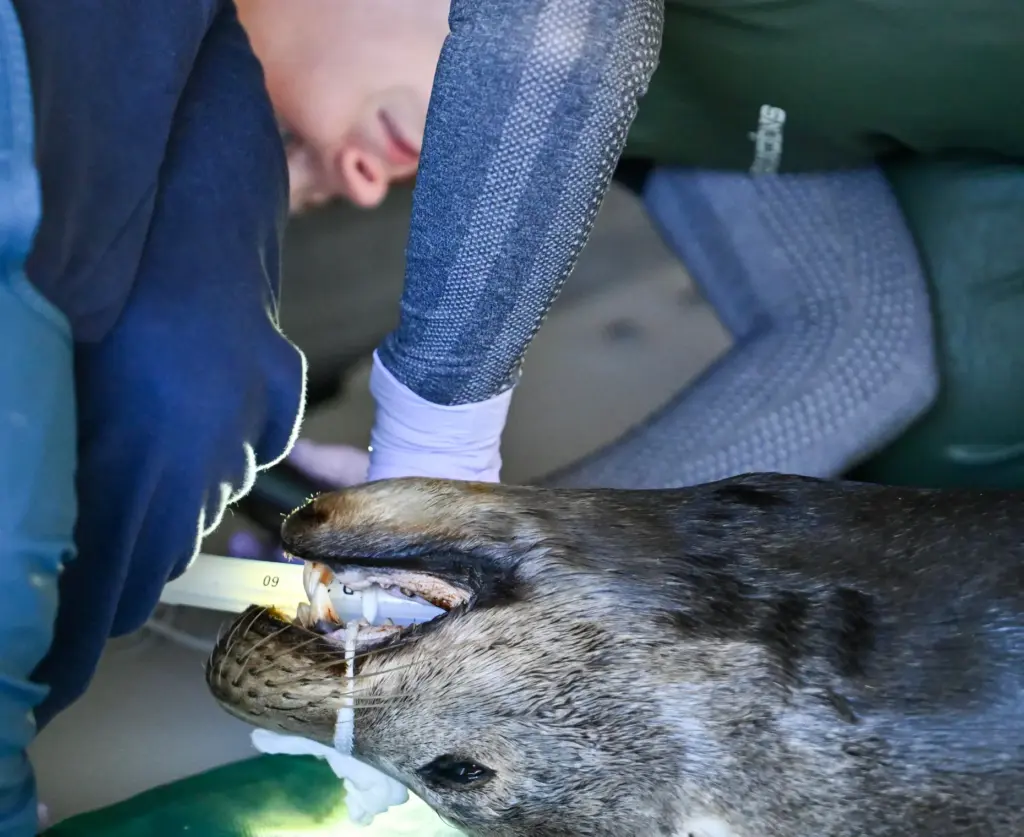 Veterinary intern, Dr. Sydney Zotto, examines Panama, a sick adult sea lion, at Pacific Marine Mammal Center in Laguna Beach on Monday, June 8, 2026. The mammal was found a day earlier on the beach at The Wedge in Newport Beach. (Photo by Jeff Gritchen, Orange County Register/SCNG)
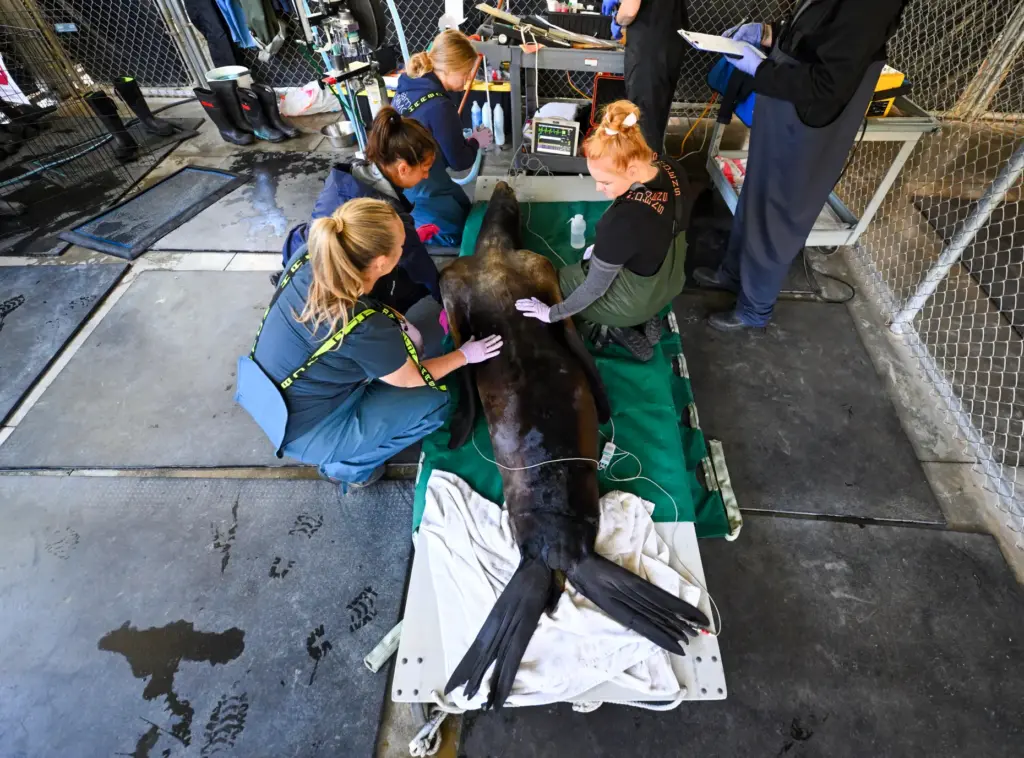 Dr. Alissa Deming, left, vice president of conservation and medicine, and veterinary intern, Dr. Sydney Zotto, right, join others as they euthanize Panama, a sick adult sea lion, at Pacific Marine Mammal Center in Laguna Beach on Monday, June 8, 2026. The mammal was found a day earlier on the beach at The Wedge in Newport Beach. (Photo by Jeff Gritchen, Orange County Register/SCNG)
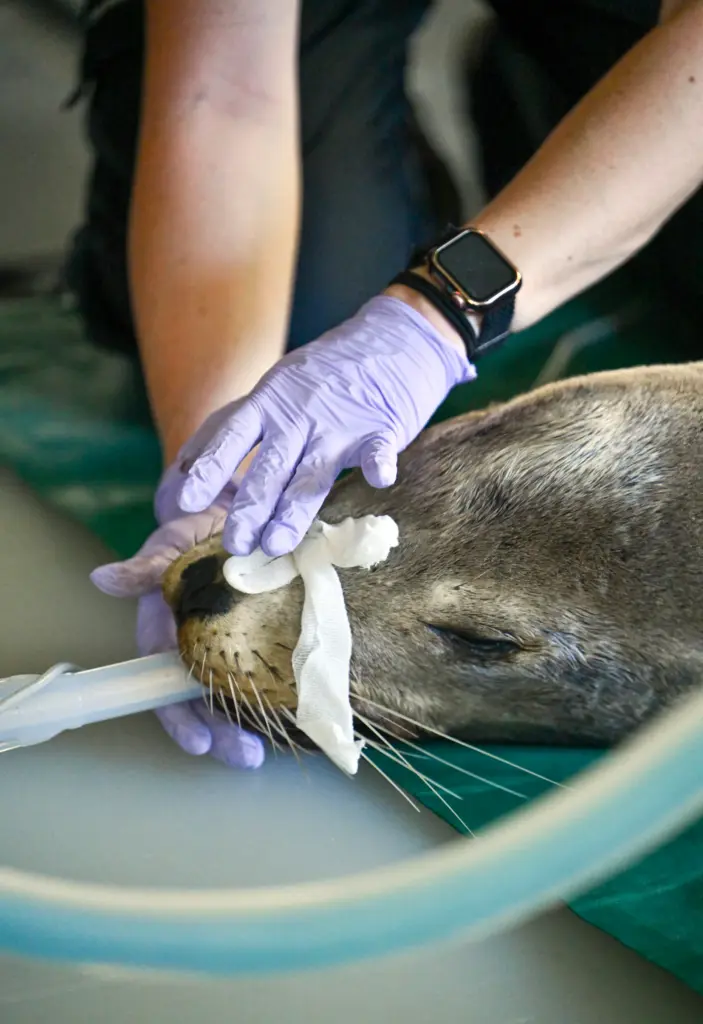 Staff at the Pacific Marine Mammal Center examine Panama, a sick adult sea lion, in Laguna Beach on Monday, June 8, 2026. The mammal was found a day earlier on the beach at The Wedge in Newport Beach. (Photo by Jeff Gritchen, Orange County Register/SCNG)
“Just a little enrichment trip,” one of the team members joked, noting that a refusal to head home to the ocean is rare, but recovering animals are never forced back.
Two days later, on June 5, the team tried again.
Lighthouse, found on the edge of a secret pool in the cliffs near Thousand Steps Beach in February with a traumatic eye injury, again was the braver one and headed out after a short hesitation, and then Hollander, found on the swim step of a boat in Newport Beach in March, severely dehydrated and malnourished, followed him as they ducked into and floated up through the churning surf.
Both pinnipeds had challenging injuries. Lighthouse had his eye removed thanks to help from Eye Care for Animals, which volunteered its expertise. With the surgery done, he gained weight and proved he could hunt for fish — a mandatory skill for being released. Hollander underwent an endoscopy to remove the hook, made a full recovery and passed her live fish test.
The two pups are among 65 sea lions rescued this year, with a total of 97 responses by PMMC staff to ocean creatures in trouble from northern elephant seals to sea turtles.
The year has been a bit of a reprieve so far after last year’s numbers skyrocketed with 350 rescues by June, driven by poisonous algae blooms sickening animals.
While a lack of pups needing help may appear good, Deming said to her, it shows that the sea lion population overall is not doing well.
And, with the unusually warm water temperatures this year, she worries that the current trends are a harbinger of even worse news to come.
A marine heat wave is causing prey to move into deeper waters, making it harder for yearling sea lions to dive down far enough to find food. Deming said that could mean more stranded animals later this year and a bad year for the pups being born now.
“We’re really slow with sea lion pups this year because of the reproductive losses associated with the domoic acid blooms in the spring of 2025,” added Deming.
“We think this is a poor reflection on the reproductive success,” she said. “Instead of them looking like they’re doing great, we actually think they’re doing really bad. You really have to pay attention when you analyze these numbers in context to see what’s going on in the environment.”
While the center typically takes in pups starting as early as November and December, this season, rescue teams weren’t getting calls until March. Elephant seals, which often strand in higher numbers in May, were also fewer this year. Most years, PMMC has taken in 30 elephant seals a season; this year, there have been five.
Deming said she’s not sure why. Elephant seals were hit hard by a bird influenza earlier this year, but that didn’t cause a mass mortality on the rookeries.
Maybe, she said, fewer elephant seals are being seen because warm water from the Arctic and Alaska is getting them to swim north instead of south or into deeper offshore waters.
Read more Head of Palestinian soccer says he wasn’t granted US visa to attend World Cup
Marine mammals are essentially indicators of the marine environment, she said, adding that now the center is seeing sea lion pups that have turned a year old coming in.
“They are very long and skinny,” she said, adding that is different than what the center usually sees when pups come in earlier in the year. Their size, she said, indicates that those born in June last year and survived, were healthier but are now experiencing problems.
“They had good nutrition early on, kinda like tall kids,” she said, but because of the marine heat wave, the fish are scarce now. A similar event played out from 2013 to 2016.
Just this week, officials with the National Oceanic and Atmospheric Administration issued an El Niño advisory predicting that it will intensify and become strong in the fall with warming water temperatures, news that does not bode well for the yearlings and the new crop of sea lion pups being born this month on the Channel Island rookeries.
“They’re turning 1 year old and were doing well, but they still can’t dive 100 meters down to grab the fish,” Denning said. “Now we’re starting to see those pups come in very malnourished, and that’s one reason we’re really concerned about what the end of this season is going to bring, and we think we’ll get busier with starving yearlings, and we think next year will be a really bad year for sea lion pups.”
The Marine Mammal Center in Los Angeles is also reporting a “slower” number of rescues so far in 2026 compared to past years. And, it also is finding more animals potentially affected by chronic domoic acid poisoning following last year’s sustained toxic algae blooms that sickened thousands of animals, said veterinarian Dr. Michelle Rivard.
The animals with chronic domoic acid poisoning have either had repeated low-level ingestion of the neurotoxin produced by the blooming algae or are experiencing lingering long-term effects from past poisoning.
What happens with this, Deming said, is that it leads to irreversible brain damage, shrinking of the hippocampus and permanent, epilepsy-like seizures.
A malnourished adult sea lion found near the Wedge on June 7 had to be euthanized because of the likelihood of chronic brain damage from domoic acid poisoning. The team also found evidence on an ultrasound that the animal had been shot at some point.
Deming said she suspects more cases of the chronic domoic acid poisoning will start cropping up because of the marine mammals’ lengthy exposure.
“These are the silent victims of the bloom,” she said of the approximately 8- to 10-year-old sea lion.
All these things, Deming said, point to the effects of climate change and the impacts humans are having on their environment.
“The biggest concern is that our ocean has a fever,” she said. “The fact that it’s ocean warming and climate change is driving this stuff, this is the impact that we were concerned about and we’re seeing on an ecosystem level. It is increased harmful algae blooms, decreased or unavailable prey, and then put the gray whales on top of that. It shows you it’s not just one thing; it’s a million things going around in the ocean. You push that first domino and the effects are just so widespread.”
Read more ‘I’m ready,’ USMNT star centerback Chris Richards says as he finishes his comeback from injury