
By LEAH WILLINGHAM
EDITOR’S NOTE: This story includes discussion of suicide. If you or someone you know needs help, the national suicide and crisis lifeline in the U.S. is available by calling or texting 988.
Read more The US and Canada could pull back from an all-out trade war. It’s not clear that they will
The prosecution resumed questioning its final witness Wednesday in the murder trial against Lindsay Clancy, with an FBI psychiatrist testifying that the choices she made while killing her three children indicated she remained in control of her actions.
Dr. Gregory Saathoff, a forensic psychiatrist at the University of Virginia and a senior psychiatrist for the FBI’s Behavioral Analysis Unit, reiterated Wednesday that he did not believe Clancy’s account that a voice ordered her to kill 5-year-old Cora, 3-year-old Dawson and 8-month-old Callan.
During questioning, prosecutor Jennifer Sprague asked Saathoff a series of questions about Clancy’s account: Did the voice tell her where to kill the children? How to kill them? What to use? In what order? Saathoff answered no each time.
“Having no instructions as to how to do it, but being able to execute those decisions … that is surprising that she’s able to accomplish all of this without any other kind of direction or plan,” he said.
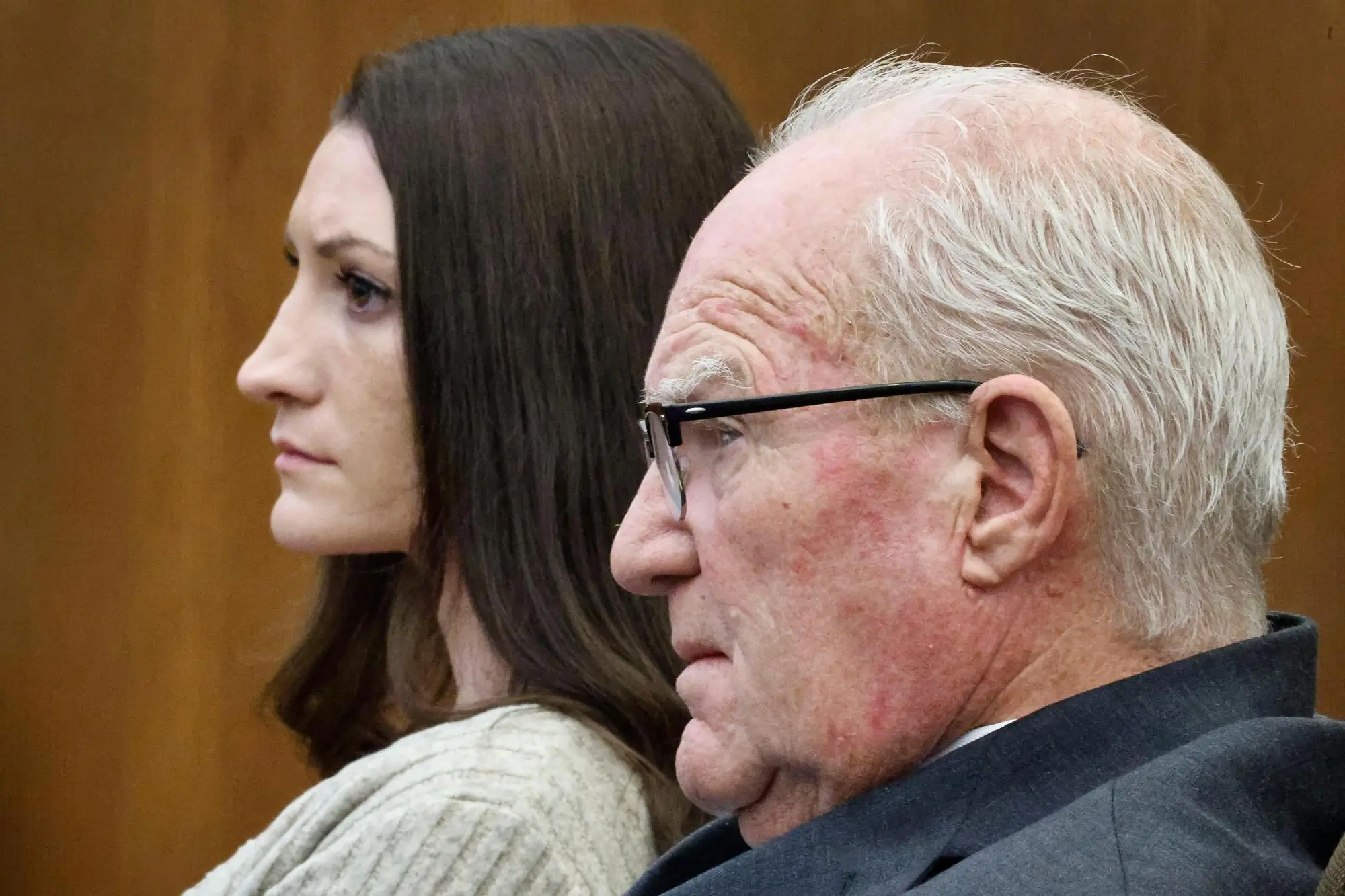
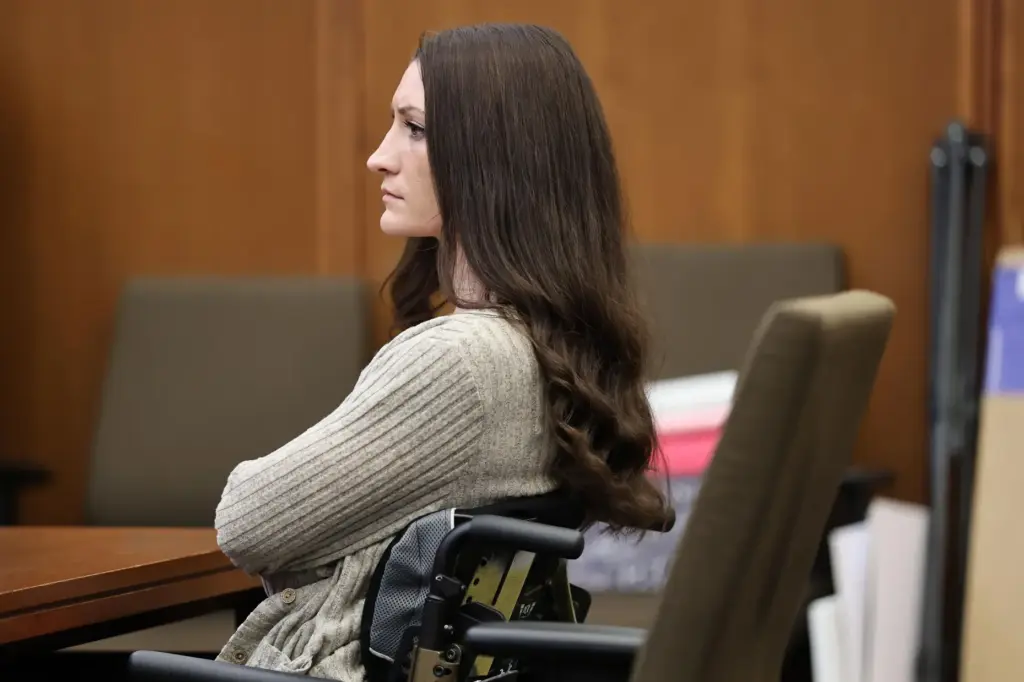 Lindsay Clancy listens to the testimony of Dr. Gregory Saathoff during her murder trial in Plymouth Superior Court on Wednesday, Aug. 26, 2026 in Plymouth, Mass. (Greg Derr/The Patriot Ledger via AP, Pool)
 Forensic psychiatrist Dr. Gregory Saathoff resumes his testimony about the mental state of Lindsay Clancy during Clancy’s murder trial in Plymouth Superior Court, Wednesday, Aug. 26, 2026 in Plymouth, Mass. (Greg Derr /The Patriot Ledger via AP, Pool)
All three were strangled with exercise bands in the family’s basement before Clancy tried to kill herself while her husband was getting takeout and at the pharmacy on Jan. 24, 2023. Saathoff said her ability to accomplish everything she did without direction indicated Clancy “had control, control of the sequence of what she was doing throughout.”
“In the small amount of time that Miss Clancy had in the home without her husband, it was important, in order to carry this out, as well as her suicide, to do this quickly, methodically, and alike,” he said.
Read more ICE officer charged with shooting in Minnesota could be released from Texas jail
Clancy’s mental health is a key issue at her trial. Defense attorney Kevin Reddington does not dispute that Clancy, 36, killed the children but says she shouldn’t be held criminally responsible because she had postpartum psychosis, a rare mental illness linked to the stress, sleep deprivation and hormonal changes that follow childbirth. Clancy then also tried to kill herself.
She has pleaded not guilty to murder charges.
Saathoff, who has treated thousands of patients with psychosis, said he found Clancy’s account unconvincing.
He found it unusual that Clancy said the voice stopped once she was done strangling the children, that the voice was constant rather than intermittent and that she never previously reported hearing a voice to her medical providers. She also gave a different timeline to other evaluators about when she first heard the voice that day, he said.
“Committing the act is not curative of the voice,” Saathoff said of the voice stopping abruptly. “I’ve not ever seen that.”
Saathoff will be cross-examined by Reddington after prosecutors finish questioning him. That will be followed by closing arguments, possibly as early as Thursday.
Read more Trump has submitted civil nuclear agreement with Saudi Arabia to Congress for review, AP sources say