
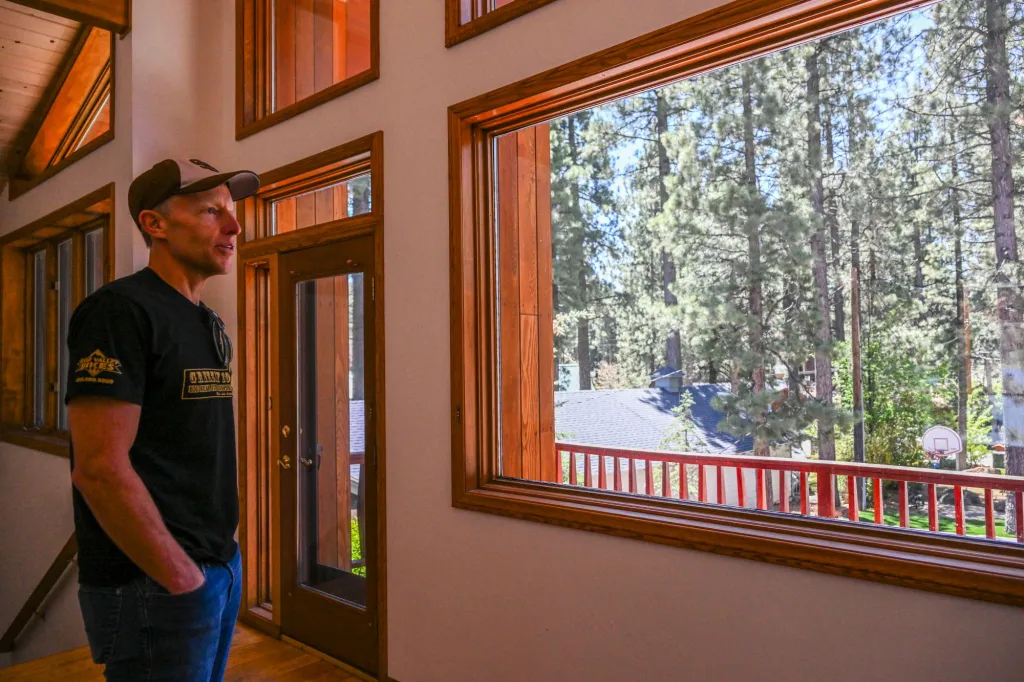
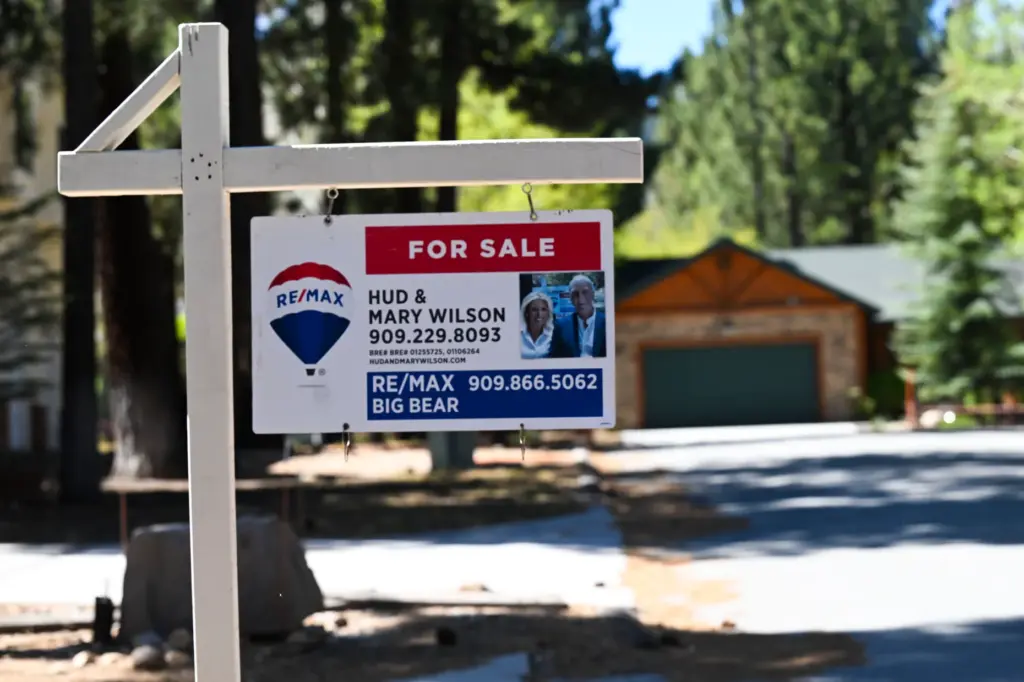
 A listed home in Big Bear is seen on Friday, May 8, 2026, one of many properties sitting on the market following a rise in short-term vacation rentals and listings for sale after the COVID-19 pandemic. (Photo by Anjali Sharif-Paul, The Sun/SCNG)
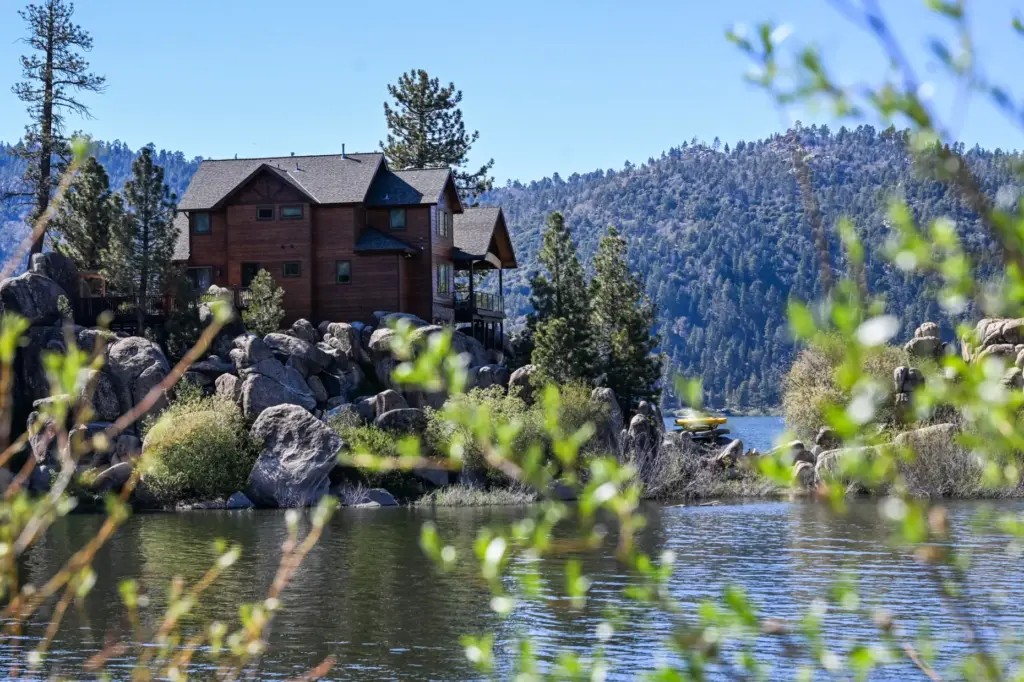 A luxury lakefront home in Big Bear is seen on Friday, May 8, 2026, as rising property listings appear in the area following the COVID-19 pandemic. (Photo by Anjali Sharif-Paul, The Sun/SCNG)
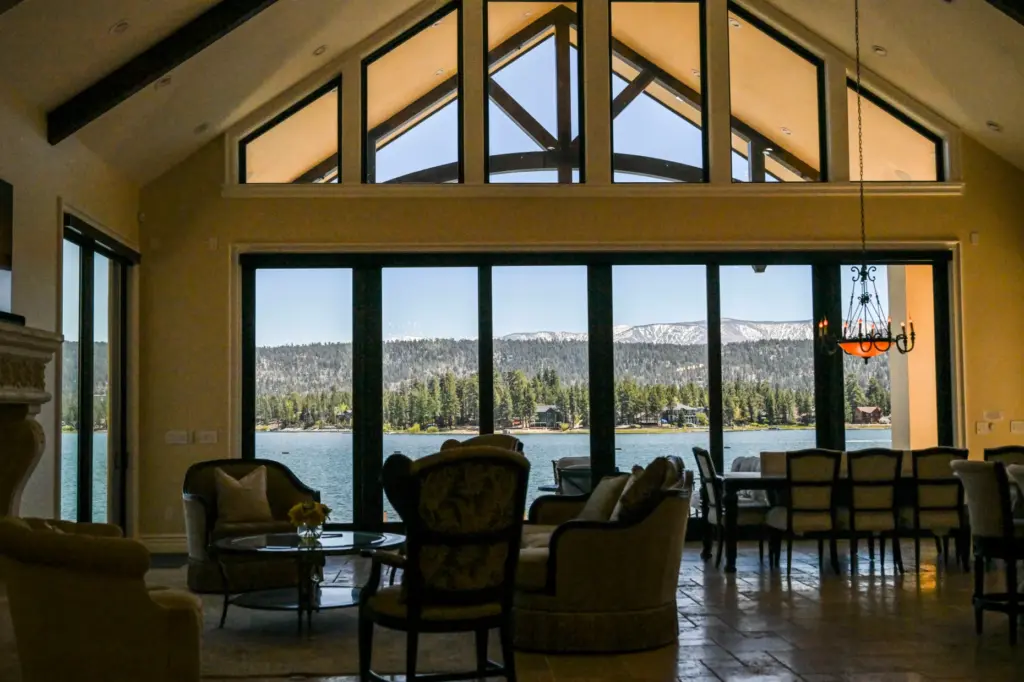 Interiors of a listed home in Big Bear is seen on Friday, May 8, 2026, one of many properties sitting on the market following a rise in short-term vacation rentals and listings for sale after the COVID-19 pandemic. (Photo by Anjali Sharif-Paul, The Sun/SCNG)
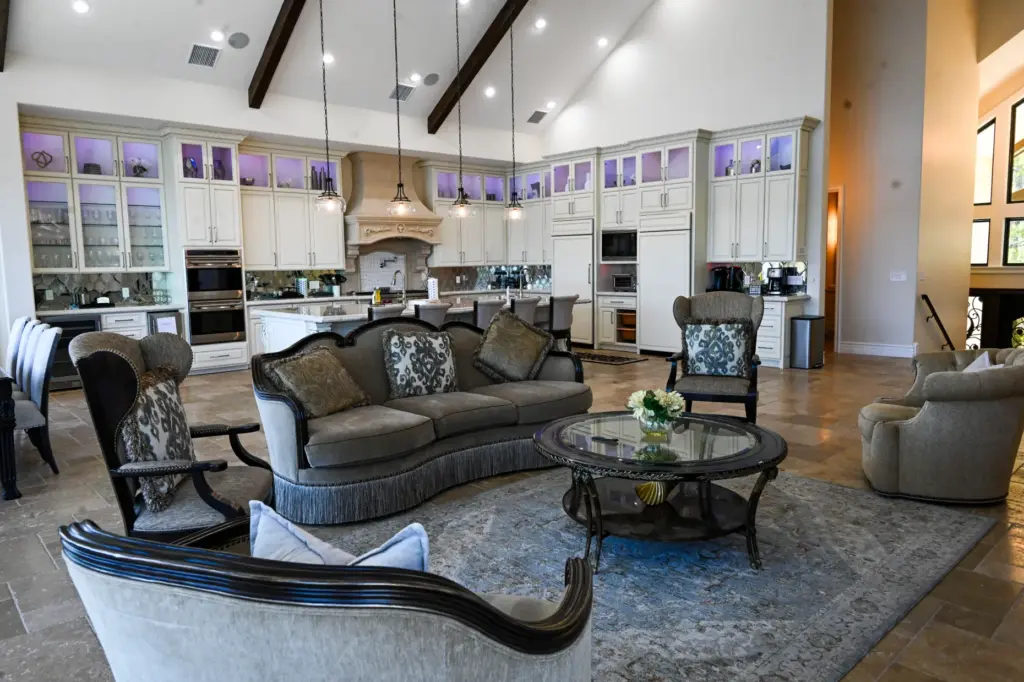 Interiors of a listed home in Big Bear is seen on Friday, May 8, 2026, one of many properties sitting on the market following a rise in short-term vacation rentals and listings for sale after the COVID-19 pandemic. (Photo by Anjali Sharif-Paul, The Sun/SCNG)
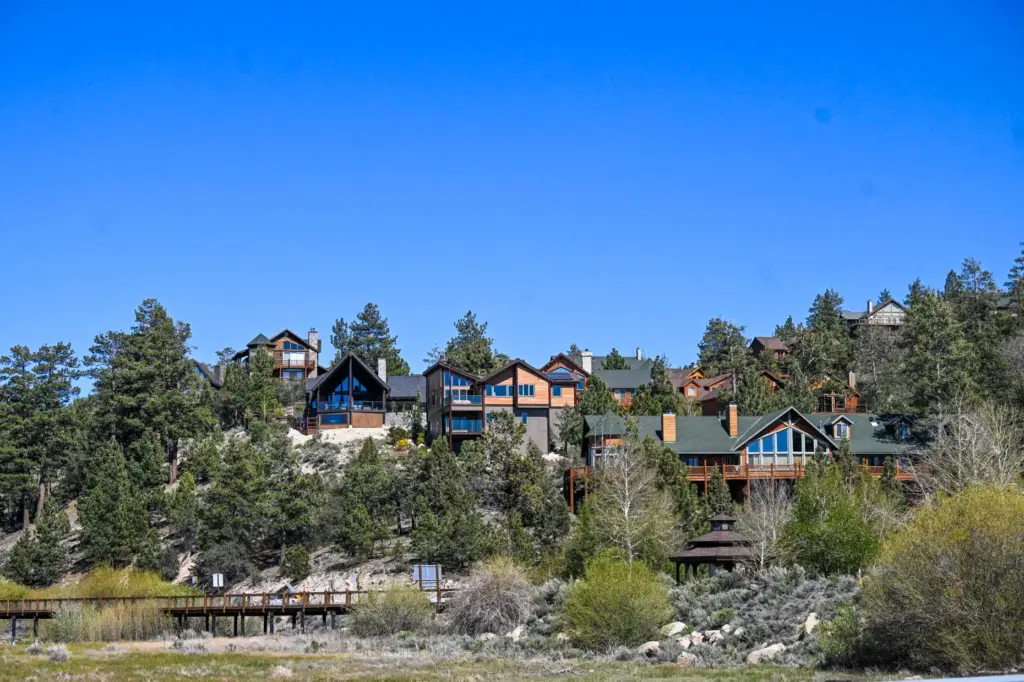 A luxury lakefront homes in Big Bear is seen on Friday, May 8, 2026, as rising property listings appear in the area following the COVID-19 pandemic. (Photo by Anjali Sharif-Paul, The Sun/SCNG)
Six years after Big Bear’s massive short-term rental boom, the business is panning a new corner: luxury.
Read more Democratic senators will test GOP unity with votes on Trump’s ‘anti-weaponization’ fund
Amid an abundance of vacation listings, owners and property managers have found that upscale listings are the popular choice among visitors.
“It’s come back to reality where homeowners have to invest in their house to keep the quality really high,” said Nick Cargill, owner of short-term rental company Destination Big Bear. “If you don’t, you don’t get rented.”
Cargill oversees more than 400 properties with a nightly price range spanning hundreds to thousands of dollars, depending on square footage and season. One of the properties includes Big Bear’s most expensivelisting, a 7,500-square-foot cabin built in 2024 on a gated lakeshore corner called Windy Point. Listed for sale for $9 million in February, it rents for about $3,000 a night, depending on the season.
Floor to ceiling windows surround the estate’s six-bedrooms, seven-bathrooms, various parlors and game rooms. A sprawling deck, lavish hot tub and barbecue pit look out to the lake. Cargill says properties like these are part of a growing share of the town’s inventory.
See more: Southern California’s K-shaped summer: Who’s traveling depends on the pocketbook
“I think the luxury market is going to continue to get stronger and bigger in Big Bear,” said Cargill, who has been running the company since 2009.
The movement follows a trend known as the K-shaped economy, according to Richard Green, director and chair of the USC Lusk Center for Real Estate.
The theory points to Covid-19’s economic impact on diverging economic paths between high-income Americans and everyone else.
“Luxury hotels have done really well,” said Green. “Middle-class hotels have not done so well. We see evidence of this in the short-term real-estate market.”
Short-term rentals in Big Bear have seen a 20% rise in nightly rates between 2019 and 2025, as the number of accommodations grew by the thousands, according to AirDNA, which tracks STR listings on Airbnb and VRBO.
The data group found that while Airbnb lost 5% of its listings revenue during Covid-19, the pandemic prompted a boom in nonurban activity. At one point during the pandemic, 73% of the company’s revenue was from suburban and rural areas. Big Bear was one of the company’s top destinations globally as millions of pent-up urbanites from Southern California and Las Vegas traded density for the outdoors.
There were just over 6,000 short-term rentals in Big Bear before January 2020. That jumped to 7,260 by January 2022 and maintained a steady climb before peaking to more than 8,100 units in January 2024. April this year saw the numbers drop to just under 7,000.
Read more World Cup-bound Norway player backs calls for improved heat protocols from FIFA
Big Bear’s property sales grew to 3,731 in 2021 from 2,247 in 2018, before falling to 1,683 in 2025, according to property database Attom. The nearly 800 listed properties today have a median price of $570,000 and sit on the market for an average four months as sellers seek prices comparable to what they paid during the pandemic, when demand drove up sales prices by almost 60%.
AirDNA economist Bram Gallagher says because Big Bear’s seasonal market results in higher vacancy rates year-round due to factors like the weather and the economy, there are incentives to upscale listings.
“Much of your revenue could be generated in a 60-day time period,” Gallagher said. “It’s a difficult market to stay in.”
Leanne Flashberg started her rental management business Sky High Cabins during Covid-19 during the surge of the short-term rental market. While her properties carry a broad price range, she says ones with higher nightly rates are helping her sustain her business.
“It’s very competitive now,” Flashberg said. “There’s huge supply and not so much demand. So, if your design and your amenities stand out, you will continuously be booked.”
In addition to an industry-wide 25%-28% commission, property managers may recommend tens to hundreds of thousands of dollars in renovations to update properties, many of which were originally built between the 1920s and 1960s. From one bedroom cabins to five bedroom estates, Flashberg finds a way to turn any property into one favored by a high-end clientele.
Big Bear’s limits on development sprawl has also prompted homeowners to invest in existing properties instead of building anew. Real estate broker Ali Grant-Shoemaker, a Lake Tahoe native, is glad to see the mountain town she moved to get a “face lift.” About 24,000 properties of the area’s 27,000 have had renovations done.
“It needed a lot of clean up,” Shoemaker said. “People have now seen more potential in Big Bear than they ever did and Covid excelled that.”
See more: Mountain towns eagerly await snow as recent rains put damper on busy season
Once warm-toned log cabins now come in shades of black and white, with rope-hanging beds facing original stone-stacked fireplaces and skylights gleaming from 70s-era wood-paneled interiors. Two-car garages now hold pool tables and pinball machines, and pinecone strewn lawns are shielded with shiny new decks. Alpine decor has been embellished with upscaled features, like iconic, locally carved wooden bear statues accompanying steaming outdoor hot tubs and antler chandeliers hanging from heightened nine-feet ceilings.
Pointing out a two-year-old 4-star hotel and her $3.5 million sale earlier this year, which broke off-shore records in Big Bear, Grant-Shoemaker says investments into the mountain town are a long time coming.
“Covid created a much needed correction in our market,” Grant-Shoemaker said. “The pandemic accelerated demand for second homes, remote-work destinations and short-term rentals, which finally brought pricing more in line with what many of us locally felt the market supported for a long time,” Grant-Shoemaker said.
Read more Ukraine ally Britain eases new sanctions on Russian oil as fuel prices surge over Iran war