
California’s home insurance of last resort, the FAIR Plan, is raising rates 29.1% for certain homeowners starting Oct. 15.
Read more AI boom helps erase California’s multibillion-dollar budget deficit
Rates will be highest for those in high-risk, fire prone areas.
With many homeowners and businesses across the state unable to find coverage in the standard market, consumers wound up in the Fair Access Insurance Requirements Plan, or FAIR Plan. The insurer — which is backed by six standard insurance companies for wildfire damage only — first sought a 35.8% hike to keep it from slipping into financial trouble, Michael Soller, spokesman for the state’s Department of Insurance, said Wednesday, May 20 via email.
Also see: Two California home insurers to raise rates, expand coverage by late 2026
As of year-end 2025, about four in five of the plan’s more than 668,600 homeowner policies in California would have received a higher bill by 5%-60% if the FAIR Plan got its higher rate request approved.
The number of policies the FAIR Plan carries grew 44% to 668,600 at the end of 2025 from 464,900 in the fall of 2024 — just a few months before windswept January wildfires destroyed several communities in Los Angeles County. The rising policy count was driven by claim rejections from private insurers and others that stopped underwriting new policies. The FAIR Plan’s total exposure jumped to $724 billion as of Dec. 31, 2025, a 230% increase from the fall of 2024 — a huge reason for the rate hike request by the FAIR Plan.
In the statement provided to the Southern California News Group, Soller said the insurance department is beginning to see signs of “market improvement” after several insurance companies expressed concerns about financial stability — the biggest of which was State Farm.
“When this new rate is implemented, not every FAIR Plan customer will see their premium rise by this amount,” a FAIR Plan spokeswoman wrote in a statement about the approved rate hike. “The largest component of the increase relates to the wildfire portion of policyholders’ premiums, so those policyholders whose properties are at significant wildfire risk will see a higher increase than those at lower risk, and some policyholders will see a premium decrease.”
In 2025, state California Insurance Commissioner Ricardo Lara debuted a new catastrophic modeling system — called the “sustainable insurance strategy, or SIS — allowing the open insurance market to adjust its rates according to certain risk models.
Using the plan, insurance companies can increase rates based on the growing threat of climate change, passing on to their customers costs for insuring high-risk homes. In exchange, insurance companies are expected to write more polices in fire-prone parts of the state, where many ended coverage for hundreds of thousands of homeowners over the past decade.
Consumer advocates, however, say SIS reforms will lead to a continued spike in rates. They are deeply skeptical that insurers will actually write more policies in fire-risk communities. They also cite what they describe as loopholes in the regulations, including the exclusion of many fire-prone neighborhoods from state maps where insurers must write more policies.
Also see: California insurance commissioner candidates want tough industry sanctions
Read more Holy deception: Rome’s ‘sexy priest’ calendar star never set foot in a seminary
“It’s obviously going to be a real blow for consumers who already feel they’re paying too much for too little under the FAIR Plan,” said Carmen Balber, executive director of advocacy group Consumer Watchdog. “This is a pretty big deal.”
Joy Chen, executive director of the “Every Fire Survivor’s Network, echoed Balber.
“We’ve got two intersecting crises in this state, and they both are failures of the current insurance commissioner,” Chen said. “We’ve got a massive crisis of insurance accountability.”
She said that 70% of consumers with homeowners insurance have been “faithful,” paying premiums without receiving the benefits. “The L.A. fire survivors are like canaries in a coal mine.”
Earlier this month, Lara took legal action against State Farm alleging the company mishandled wildfire claims in the devastated Los Angeles fire zones.
In a state court filing, the insurance regulator said it is seeking as much as $4 million in penalties on 398 violations of state law from State Farm following a seven-month-old investigation.
Lara claimed the company underpaid claims and was slow to investigate damage to homes and possible contamination from smoke, caused by conflagrations that destroyed huge swaths of Pacific Palisades and Altadena in early January 2025. The commissioner also wants to prohibit State Farm, California’s largest home insurer, from writing new policies for a year.
The January firestorms in the seaside community and in neighboring Malibu turned to ash more than 23,448 acres, killed a dozen people, destroyed 6,837 structures and damaged nearly 1,000 others before extinguished on Jan. 31.
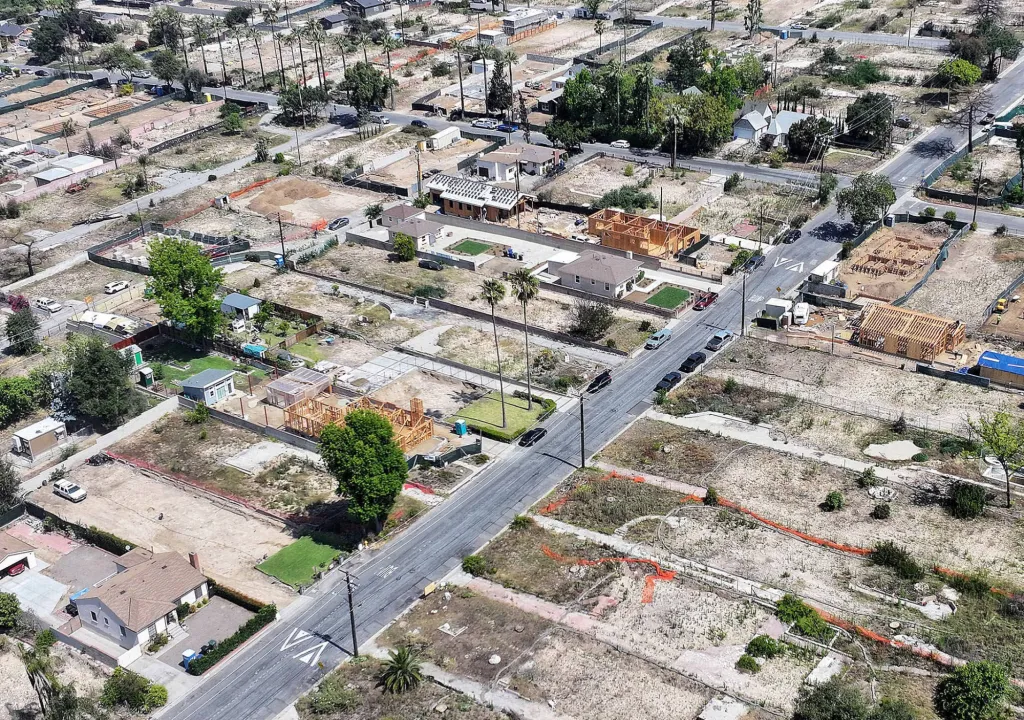
In Altadena, the fires were so destructive that customers have been slow to return because so much of its community went up in flames in the January wildfires. The fire turned more than 14,021 acres to ash, killed 19 people, destroyed 9,414 structures, and badly burned another 1,074.
Read more From BBQ to fine dining, celebrate summer with these SoCal food festival
Staff writer Amancai Biraben contributed to this report.