
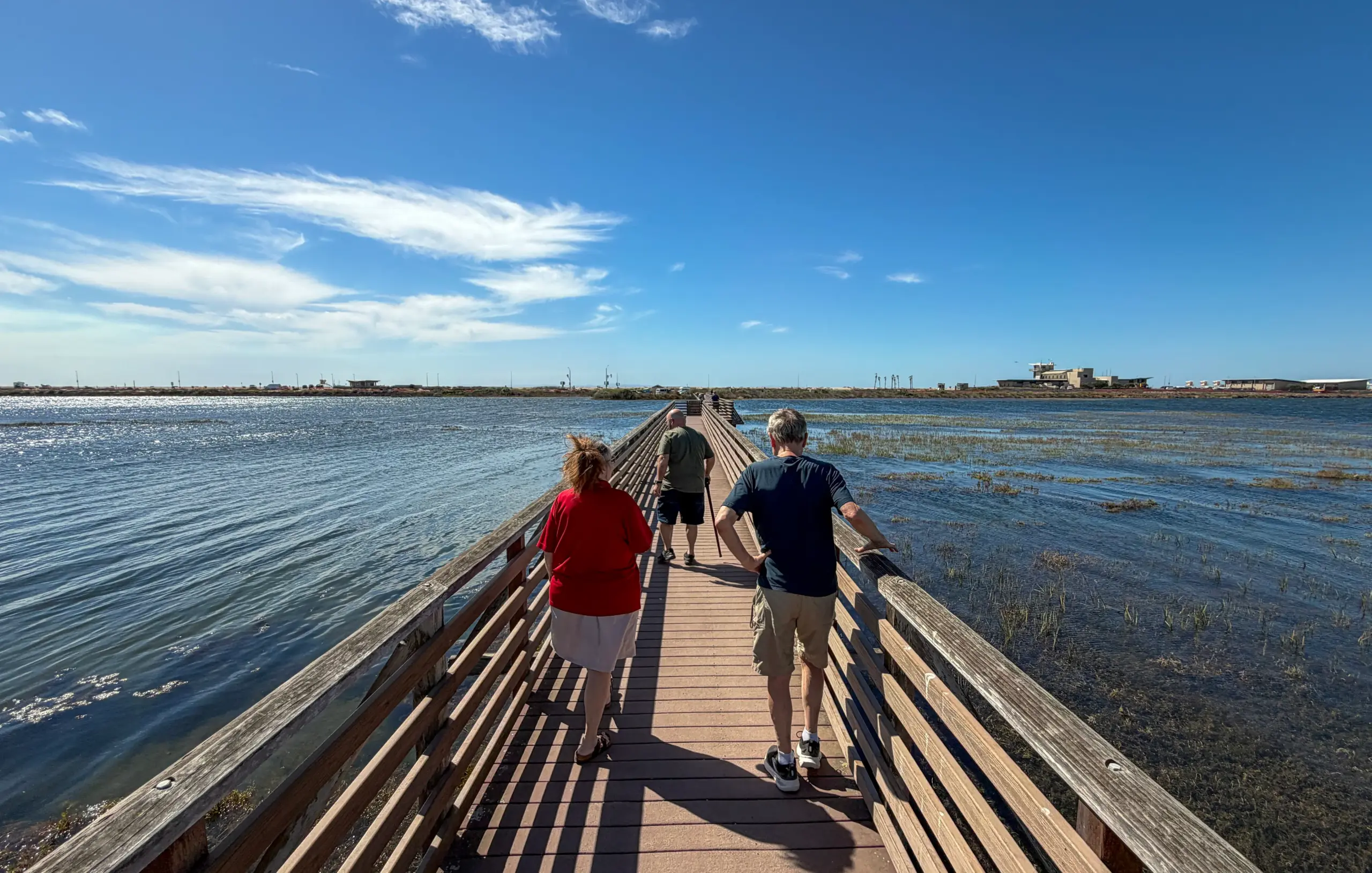
When development threatened to take over a swath of delicate coastal land in Huntington Beach, the wetlands had friends that came to the rescue.
Read more 12 Orange County ZIPs on costliest housing list, 3rd most in nation
Amigos de Bolsa Chica this year is celebrating 50, a milestone for the nonprofit that brought together a group of environmentalists who changed the fate of the estuary.
“We were always a grassroots movement, from the beginning,” said Executive Director Thomas Anderson, who joined the group as a volunteer in 1988. “It was just community members coming together … the group thought this land really needed to be saved and restored.”
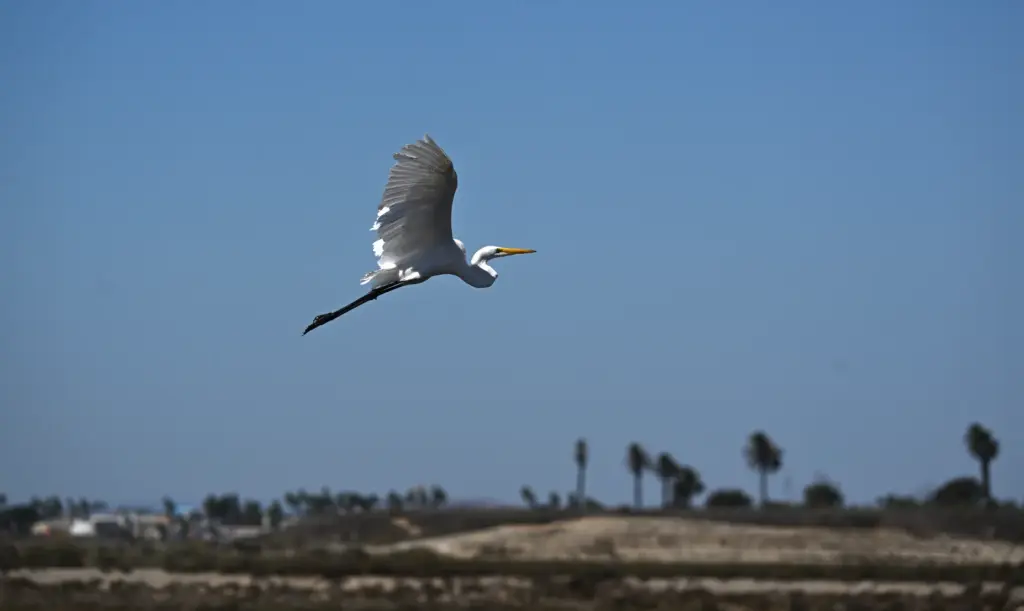 A Great Egret flies over the Bolsa Chica Wetlands takes pictures in Huntington Beach on Friday, October 16, 2026. (Photo by Jeff Gritchen, Orange County Register/SCNG)
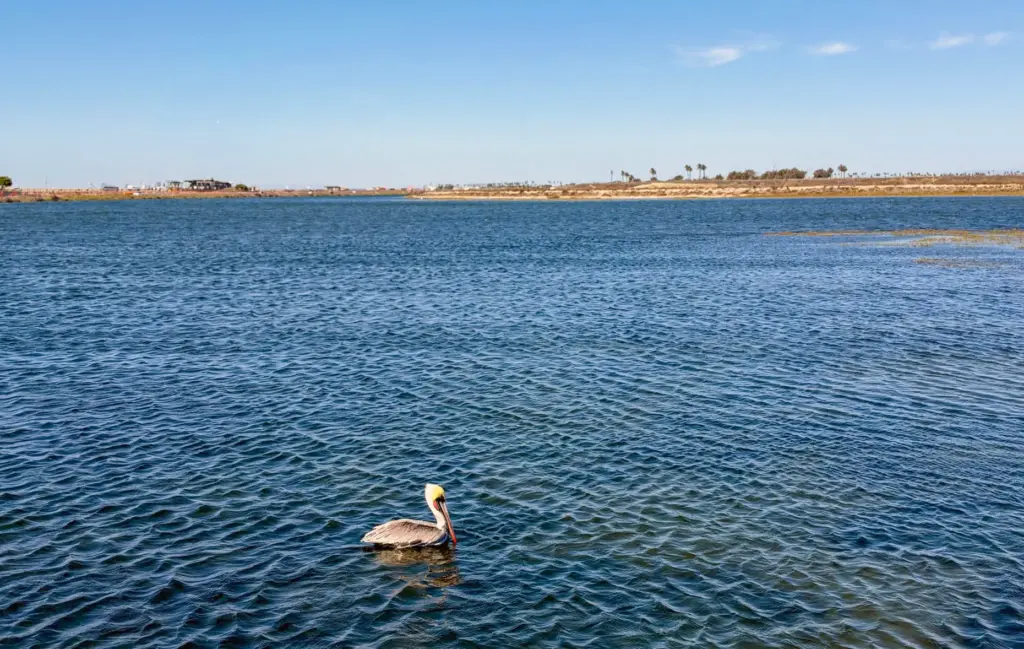 A pelican floats in the Bolsa Chica Wetlands takes pictures in Huntington Beach on Friday, October 16, 2026. (Photo by Jeff Gritchen, Orange County Register/SCNG)
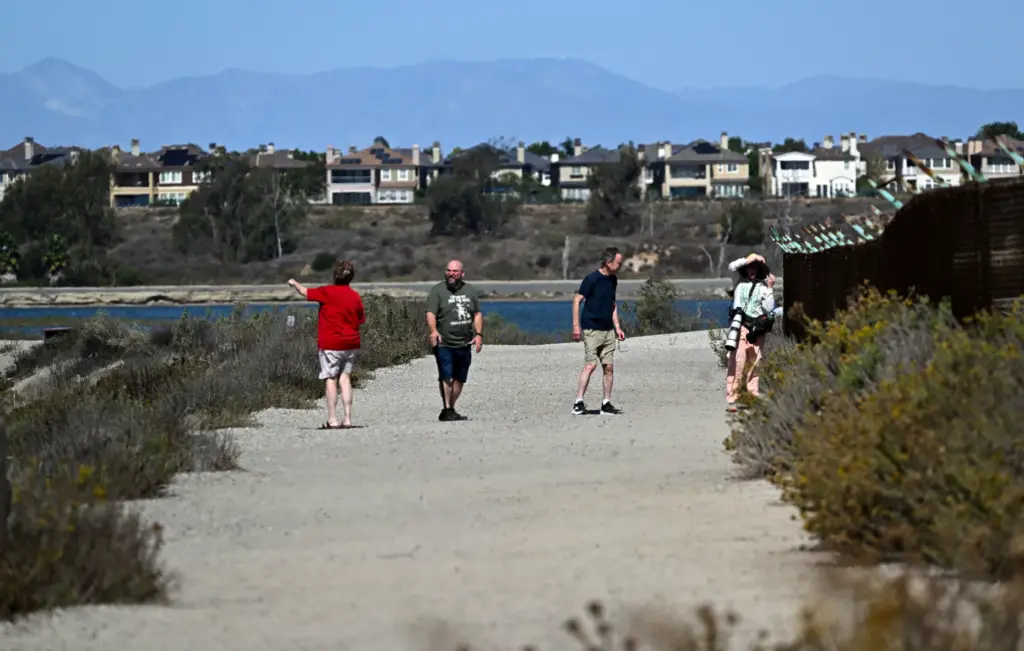 Visitors to the Bolsa Chica Wetlands check out the wildlife in Huntington Beach on Friday, October 16, 2026. (Photo by Jeff Gritchen, Orange County Register/SCNG)
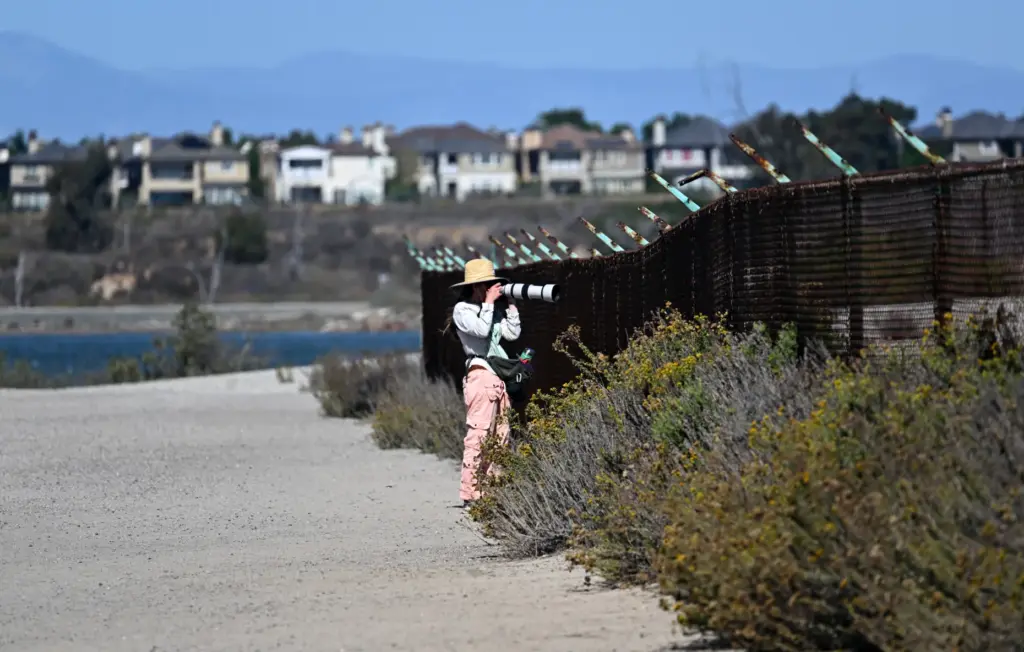 A visitors to the Bolsa Chica Wetlands takes pictures in Huntington Beach on Friday, October 16, 2026. (Photo by Jeff Gritchen, Orange County Register/SCNG)
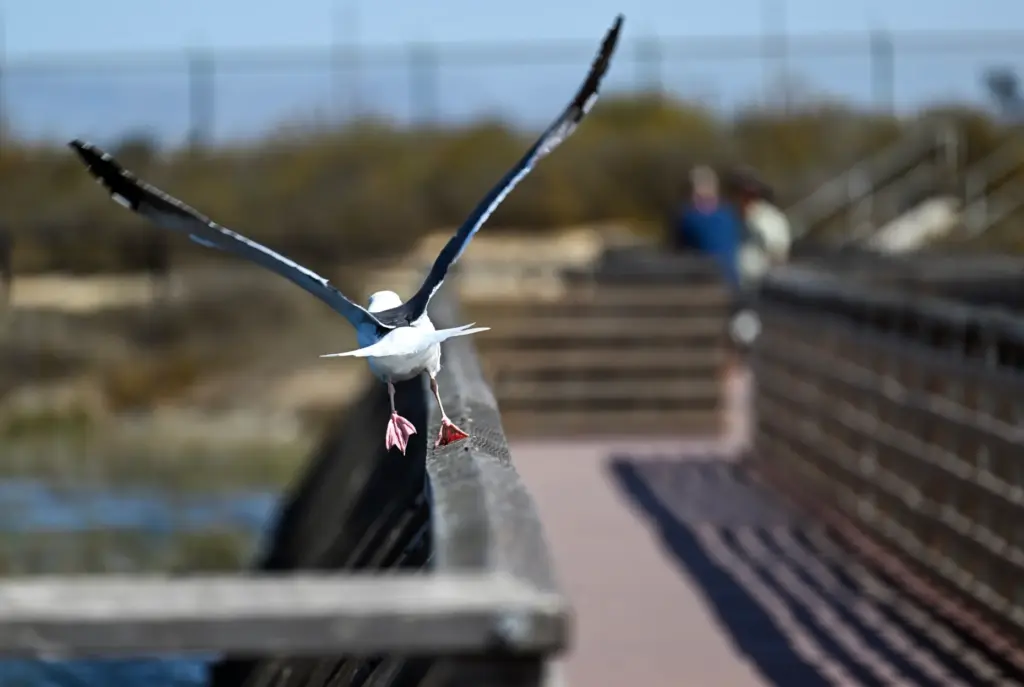 A Western Gull takes off from a bridge at the Bolsa Chica Wetlands in Huntington Beach on Friday, October 16, 2026. (Photo by Jeff Gritchen, Orange County Register/SCNG)
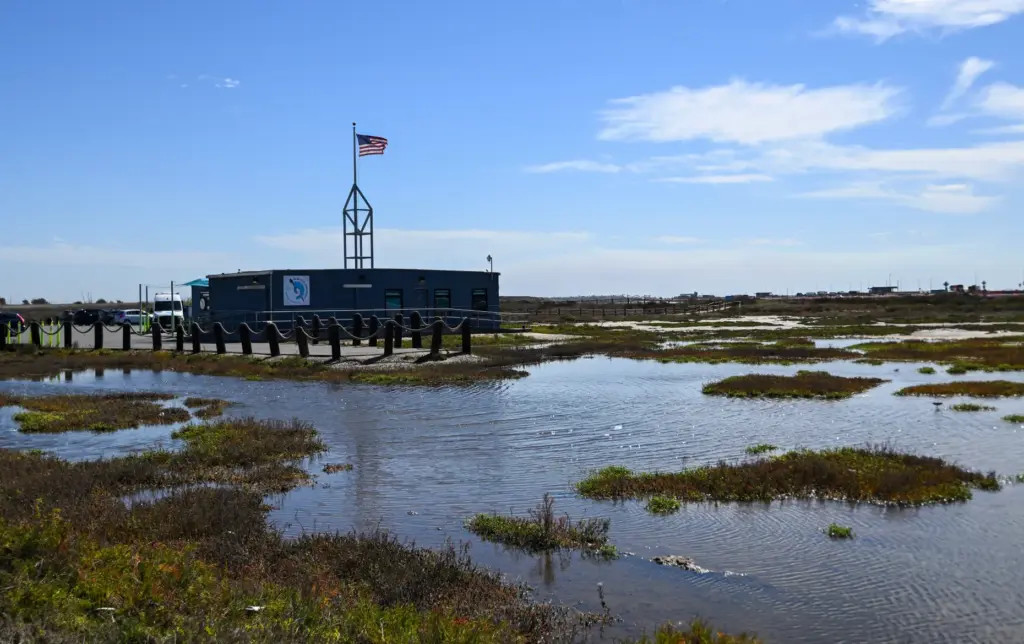 The Bolsa Chica Wetlands in Huntington Beach on Friday, October 16, 2026. (Photo by Jeff Gritchen, Orange County Register/SCNG)
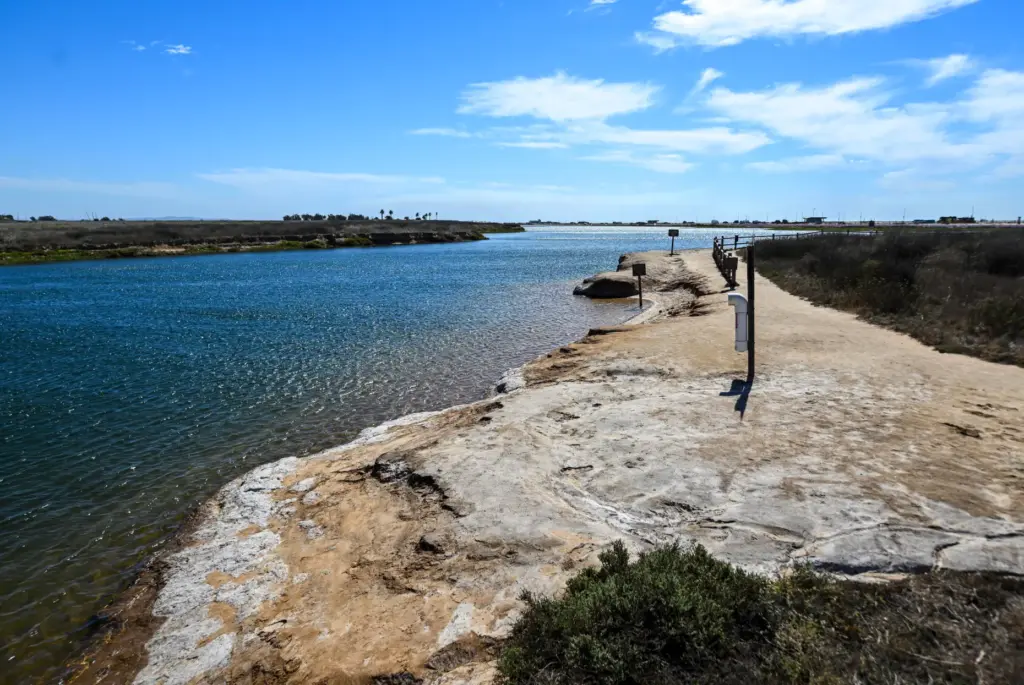 The Bolsa Chica Wetlands in Huntington Beach on Friday, October 16, 2026. (Photo by Jeff Gritchen, Orange County Register/SCNG)
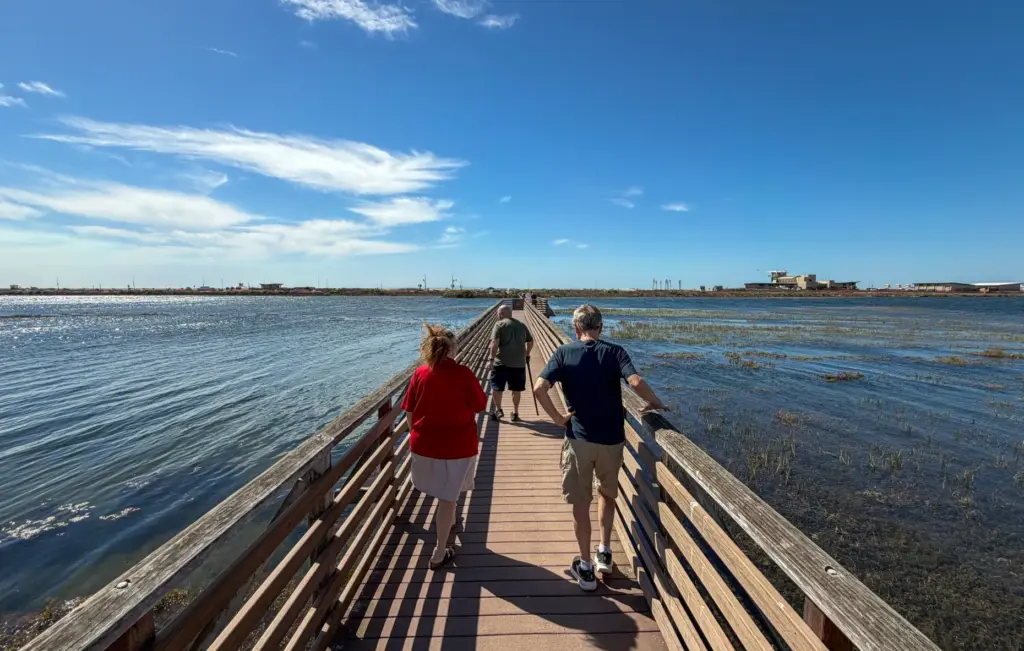 Visitor cross the bridge at the Bolsa Chica Wetlands takes pictures in Huntington Beach on Friday, October 16, 2026. (Photo by Jeff Gritchen, Orange County Register/SCNG)
There were once big developments envisioned for the Bolsa Chica wetlands, with more than 5,000 homes, marina hotels and businesses proposed.
It was no easy fight. The Amigos de Bolsa Chica sued the state and the oil company, litigation that lasted 10 years.
The groups settled out of court in 1989 and a coalition was formed to execute an agreement that the wetlands would be restored.
By 1997, the state owned the wetlands, and its restoration got a helping hand when the Port of Long Beach and Los Angeles needed an area to help out for mitigation credits for expanding port operations.
The project broke ground in 2004, and the wetlands opened to the public in 2006.
“The wetlands were restored and biodiversity literally exploded,” Anderson said. “The wetlands, even in their degraded state, supported a lot of wildlife. But once the restoration was finished, it just blossomed. It’s been quite amazing.”
The group pivoted from being a lobbying organization to focusing on environmental education.
School tours are held throughout the year, with free public tours on the first Saturday of each month. On the last Saturday of the month, there are bird walks and trash cleanups when nesting season is over. Volunteers do habitat restoration throughout the year.
Each Friday, the nonprofit hosts the community-based water quality research program, FLOW, to better understand, identify, and respond to sources of pollution.
“Our philosophy now is: There can not be enough environmental education in the world these days, with climate change and sea level rise and ocean acidification and a lot of misinformation out there,” Anderson said. “We have our work cut out for us.”
There are 200 bird species that use the wetlands as their year-round home, nesting area or as an important migratory stop. Several threatened and endangered species call the 1,400-acre wetlands home.
The Western Snowy Plover, a federally listed threatened species, can be found at the Bolsa Chica Ecological Reserve, one of the few remaining locations in California it can nest. The federally endangered California Least Tern also likes to use the sand near the estuary.
Read more 2 states, 2 abortion ballot measures, and the effort to win over Gen Z voters
The loss of nesting habitat to development and heavy interference from beachgoers has directly threatened their survival, Amigos de Bolsa Chica says, noting secure nest site management is critical to safeguard the birds’ future and protect the population’s integrity.
“Biodiversity is under threat all over the planet. That’s nothing unique. But these coastal wetlands are so productive in terms of wildlife,” Anderson said. “Without biodiversity, there would be no life on Earth. If we don’t step up and protect as much undeveloped space like these wetlands, it’s going to threaten human life on the planet as well.”
In addition to the importance of keeping wildlife healthy, the preserve has become a place where people can connect with nature during hikes and escape from the urban sprawl, the group boasts.
An estimated 100,000 visitors use the wetlands each year, to run or walk through nature.
“Open space is psychologically super important,” Anderson said. “We can’t just be surrounded by buildings and landscape parks, we need untouched open space. It’s just so important these spaces are around. Orange County is so developed, especially along the coast. So when you have these spots along the coast where there aren’t cars and boats and houses and hotels, it’s just so necessary.”
The focus now is keeping the community involved, he said.
“The community is really what saved the wetlands,” he said. “It was that community effort, people coming out and realizing how special this space is. The threats are different now, but it still takes community involvement to make sure open spaces like this are saved and preserved and cared for.”
There are still plans for the development of a stretch of coast between PCH and Goldenwest and Seapoint streets, Anderon said, and once that is underway, the remaining oil operations are expected to be removed, he said.
Anderson said Amigos de Bolsa Chica met with the developer a few months ago and gave feedback on the project’s recently released environmental report.
Plans were released last year by the California Resources Corporation, an energy company that owns a 92-acre portion of the land, to develop housing and mixed-use commercial on the property between Goldenwest Street and Seapoint Street.
Up to 800 residential units are proposed on about 53 acres, or just over half of the property, with a mix of single-family homes, townhomes and condos. A 350-room hotel is also proposed on about 16 acres.
About 23 acres would be dedicated open space, including a one-mile linear park along PCH.
Anderson said the group will be watching closely, to make sure the developers keep their promise to remove the oil fields.
“They are doing their best to be environmentally conscious, as well as make a profit as corporations want to do,” he said. “But it sounds like it’s going to be a pretty responsible development.”
Read more Lula’s win in Brazil bucks a regional shift to the right and denies Trump a powerful ally