
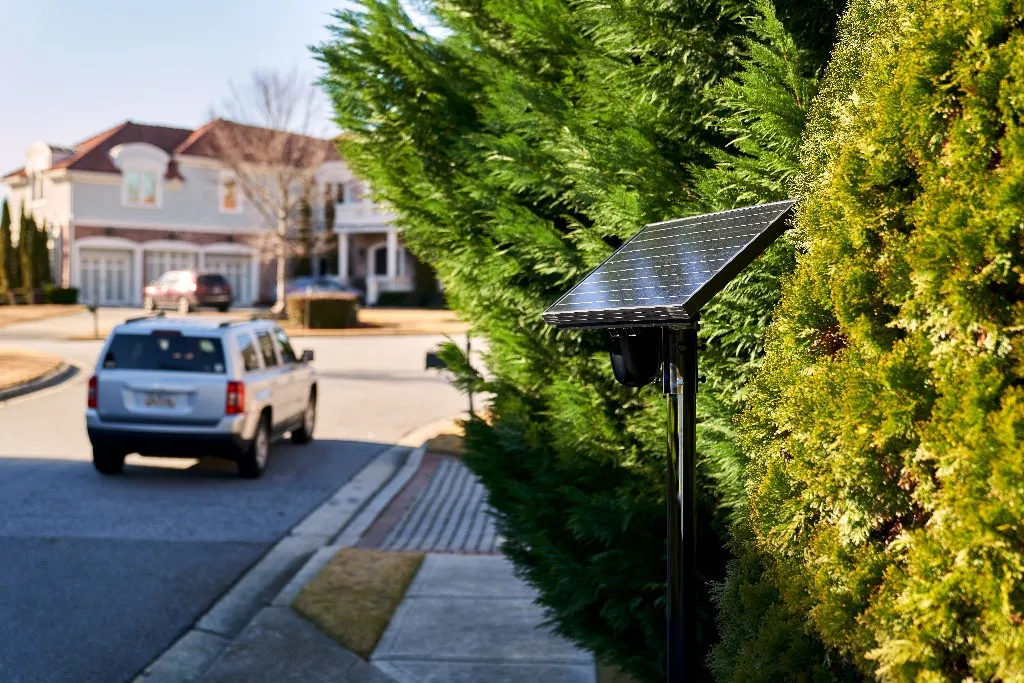
The Flock surveillance cameras that automatically log license plates will remain in Costa Mesa, but with some additional measures to address residents’ privacy concerns.
Read more Israeli military kills 4 Palestinians after settler killed in West Bank
The City Council decided this week to keep its three-year contract with Flock Safety, but directed staff to revise a number of terms to address the privacy concerns. The company operates 46 license plate reader cameras in the city at an annual cost of $151,800.
The images and license plate data captured by the cameras can be shared with police agencies in other cities.
Councilmember Loren Gameros said he has concerns with Flock’s operations, but recognizes the immense value the technology brings to law enforcement.
“One thing we have to realize as a community is that this is a force multiplier for our Police Department,” he said. “Do we want to have a safe community or do we want to have our Police Department scrambling on its feet trying to chase down criminals? We have a proven track record of crime deteriorating for the past several years due largely in part to the use of Flock.”
The council supported Gameros’ proposal to renegotiate the contract so that the data retention period is shortened from one year to 45 days. The city also asked for notification of any requests for data, whether through subpoenas or court orders.
The city’s partnership with Flock, which expires in April, came under scrutiny after a former police office was accused of using a law enforcement database to track his wife and another woman. He pleaded guilty to three misdemeanors in April and was sentenced to three years’ probation.
Dozens of speakers called on the city to cancel the contract at Tuesday’s meeting, which lasted six hours. Many condemned what they see as mass surveillance of civilians and expressed worry that the cameras would be used to target undocumented immigrants.
Read more What to know about Troy Jackson, Maine Democrats’ likely nominee for US Senate
“I am putting a target on myself by admitting that I come from immigrant parents, and I’m terrified,” one resident said. “Do we really need Flock surveillance? Do we really need to give ICE the upper hand and opportunity to speak for people like me?”
Lt. Jared Barnes stressed at the meeting that data from the license plate readers is owned by the city and not sold to third parties. The devices do not employ facial recognition technology, he added.
The Flock program has reduced crime and made the city safer, Barnes said, by helping officers recover $3 million in stolen property since 2023. The technology assisted police in making more than 160 arrests, solving 10 sexual assault cases and locating three missing people over the past year, he said.
“The data captured for our Flock cameras here in Costa Mesa are not used for immigration enforcement, traffic enforcement, harassment or intimidation,” Barnes said.
Councilmember Arlis Reynolds cast the lone vote against continuing the city’s contract, which she said has “many vulnerabilities” that are unlikely to be fixed even with the amendments the council made. She noted that the original agreement, for the installation of 31 cameras at $98,000, was approved without a public hearing.
“I just think it’s a huge risk and vulnerability and breach of trust and privacy for a little bit of gain and a little bit of efficiency,” Reynolds said.
Reynolds proposed canceling the contract, but failed to gather support from her colleagues on the dais.