
By WUFEI YU and HANNAH SCHOENBAUM
PHOENIX (AP) — National Park Service officials expect to restore a reliable water supply in the Grand Canyon in weeks — not months — as the deadly flash flood didn’t damage most of a near-complete pipeline project, they said Tuesday.
Read more Airlines scramble to dig out from tech problems that canceled 1,750 flights in the UK
Officials said that they were just over a month away from completing a major upgrade to the sole 12.5-mile-long Transcanyon Waterline, which supplied water for millions of visitors to the Grand Canyon’s South Rim and about 1,600 residents of Grand Canyon Village.
Construction of a temporary water intake that matches the park’s pre-flood pumping capacity will start this week. Park officials encourage residents and tourists to continue conserving water as they work on a more than $200 million repair and upgrade project.
Before the floods, officials said the project would ensure the park can meet its water supply needs for the next 50 years or more.
“The damage to this old pipe is no longer relevant to our new solution,” Dave Black, deputy incident commander at the National Park Service’s Western Incident Management Team, said. “Every gallon we conserve gives our crews more time to complete the work in the canyon.”
The flash flood on Aug. 29 caused two deaths, left one person missing and caused about 80 rescues. Search and rescue efforts are ongoing.
The floods mark the third time that overnight stays have been paused due to pipeline failures since August 2024.
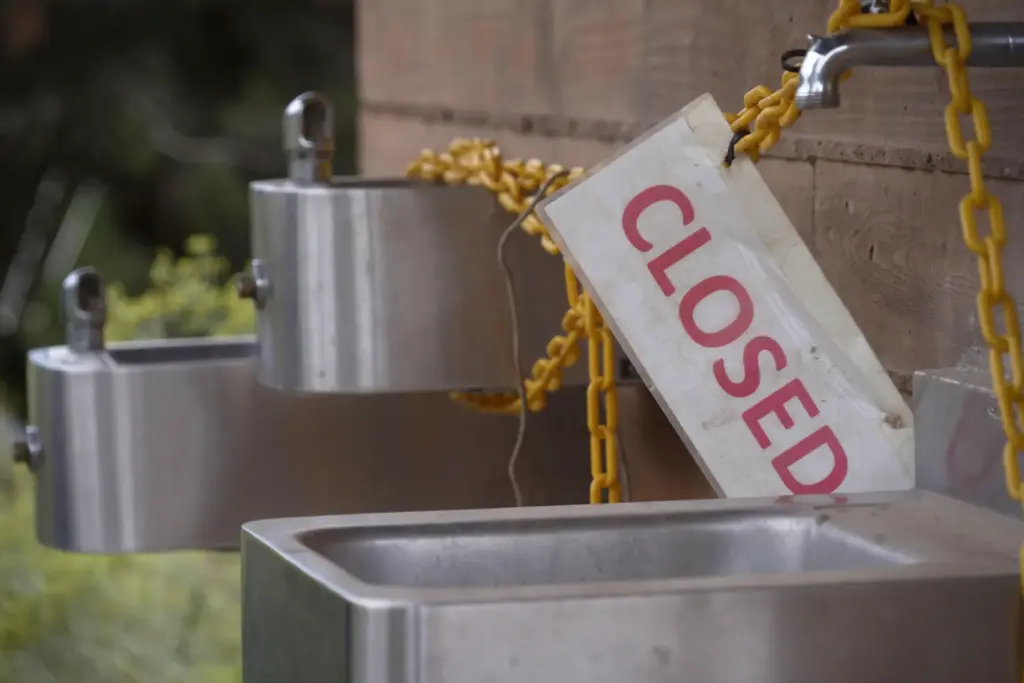 A sign is seen as officials at Grand Canyon National Park in northern Arizona have closed off access to water sources at the park after a flash flood damaged the only water pipeline that serves the canyon, Monday, Aug. 31, 2026. (AP Photo/Ty ONeil)
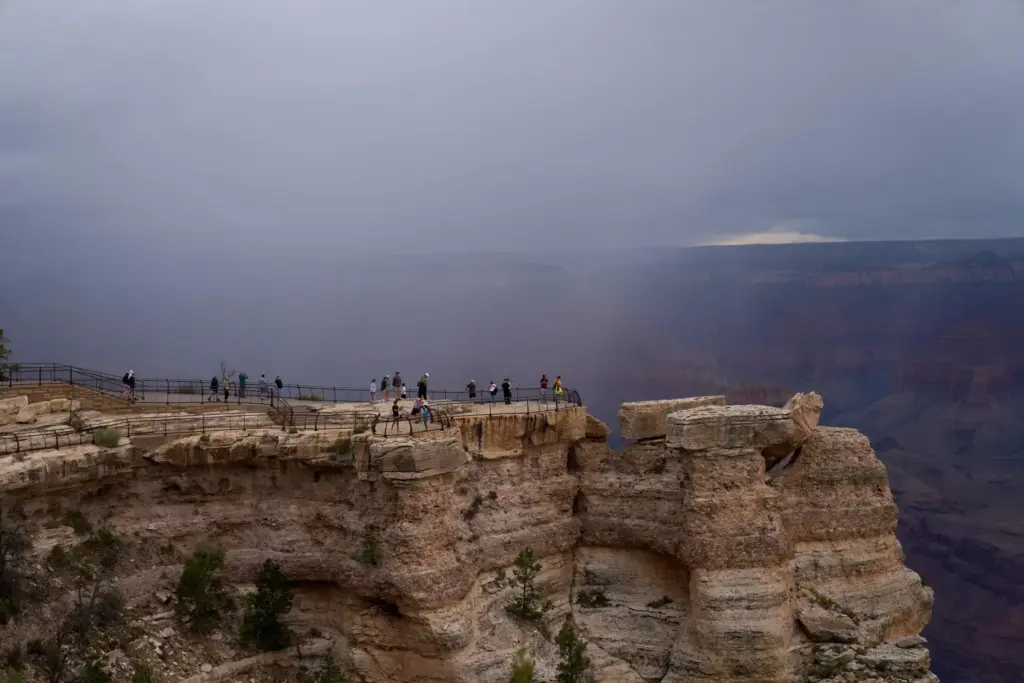 People stand at the rim of the Grand Canyon as rain moves into the canyon, Monday, Aug. 31, 2026, in Grand Canyon National Park, Ariz. (AP Photo/John Locher)
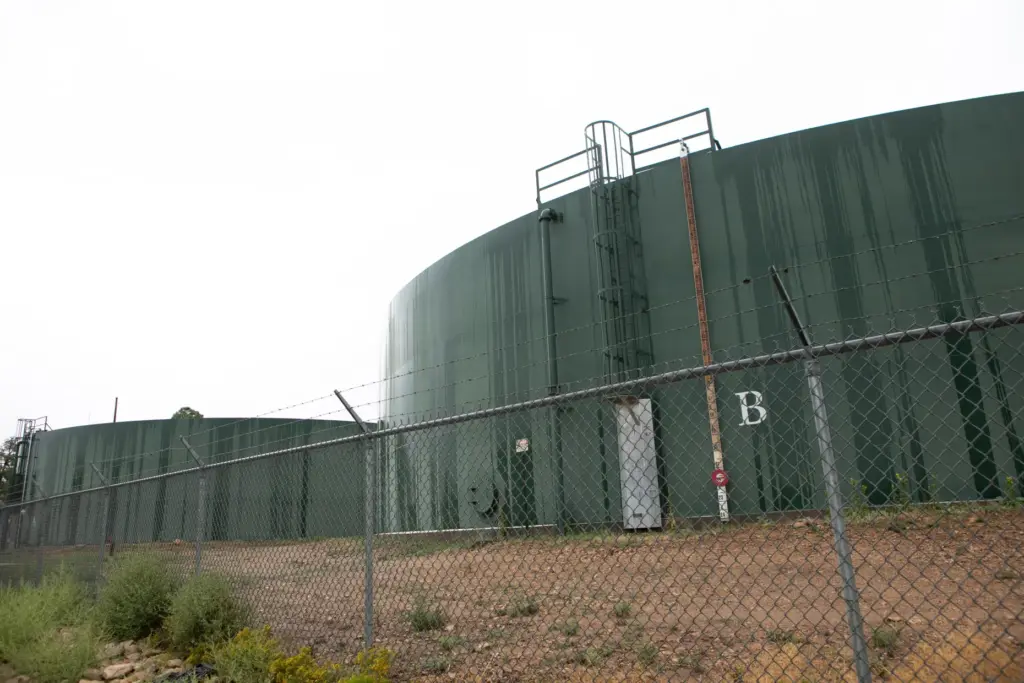 Reserve water tanks for holding drinking water for Grand Canyon Village stand behind fencing, Monday, Aug. 31, 2026, in Grand Canyon National Park, Ariz. (AP Photo/Josh Biggs)
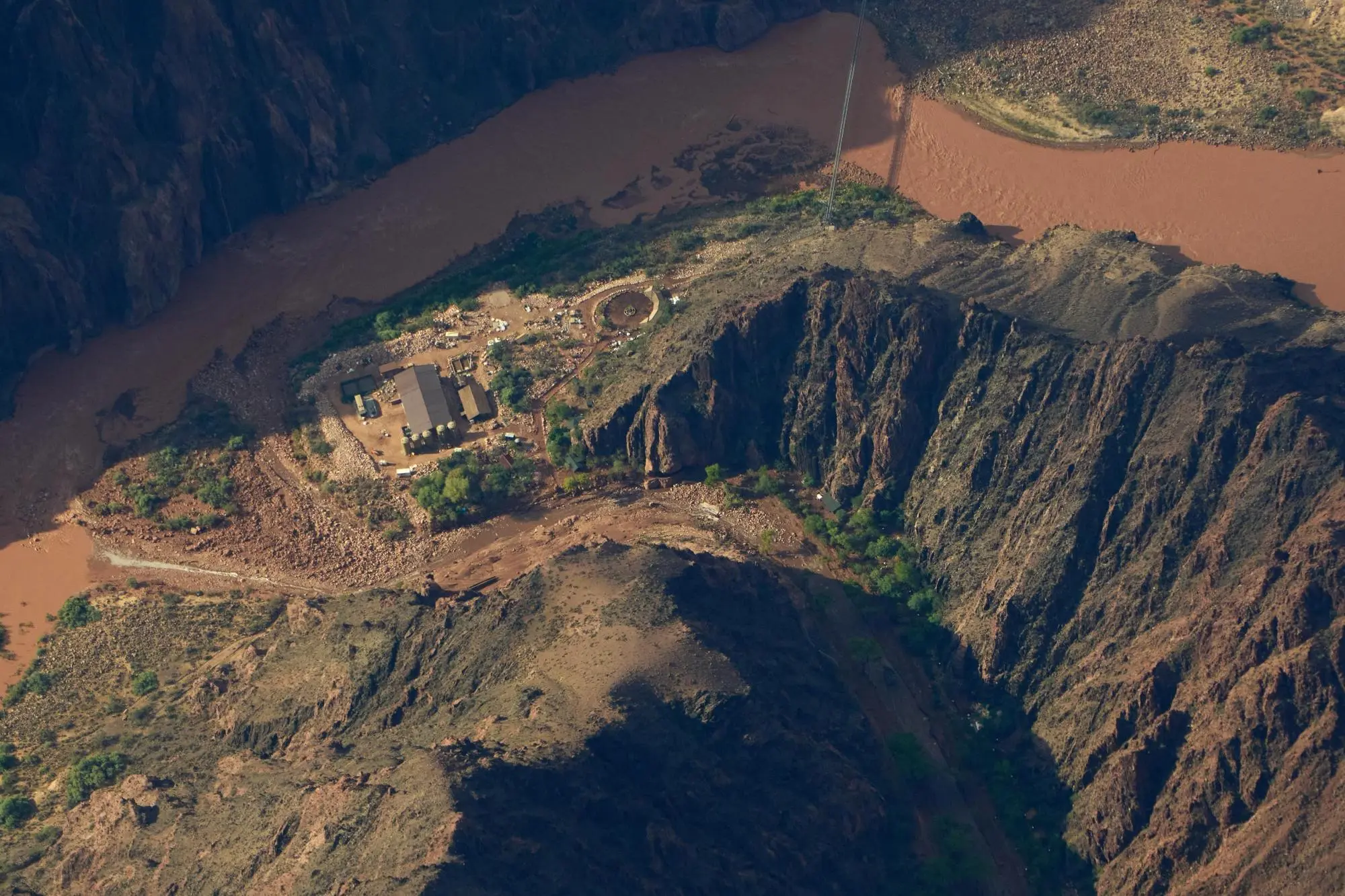
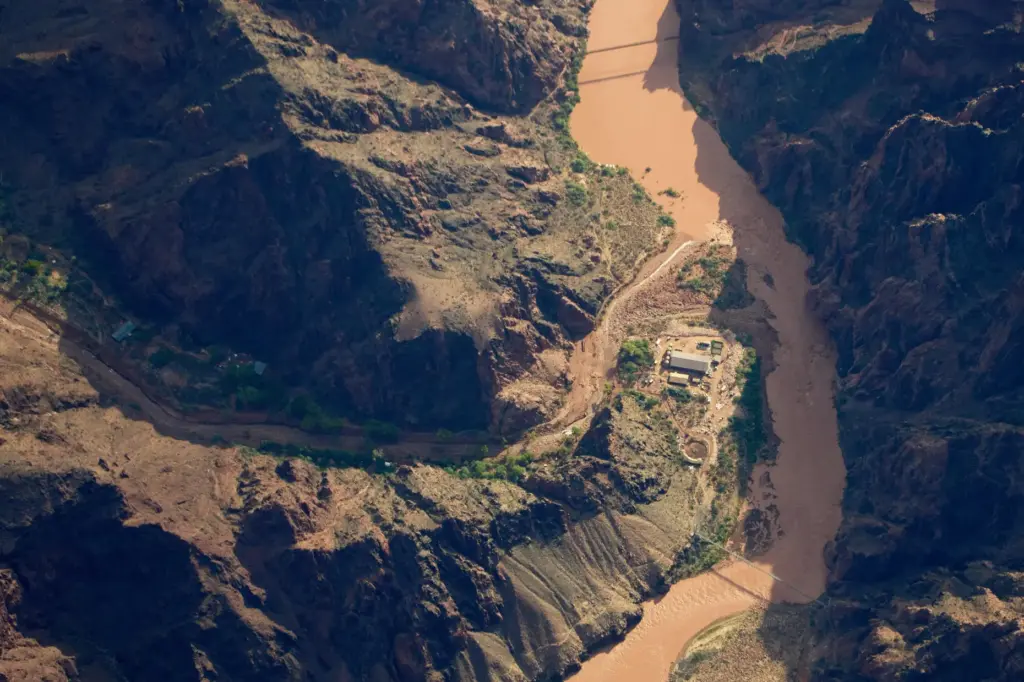 Bright Angel Canyon, damaged by flash floods, runs into the Colorado River in the Grand Canyon, Monday, Aug. 31, 2026, at Grand Canyon National Park, Ariz. (AP Photo/John Locher)
Water conservation continues in Grand Canyon
Officials also implemented significant water conservation measures for residents to protect the limited stored water on the South Rim, where most visitors go.
Read more San Bernardino woman awarded nearly $3 million in police sexual battery case
Gloria Barrett, a longtime resident of Grand Canyon Village who works for a helicopter tour company, shut off her water heater to help her household of four conserve water.
“That inhibits us from taking longer showers because the water’s so cold, which is miserable,” she said.
Barrett, her partner and his two teenage sons have been eating on paper plates to avoid doing dishes and reusing cooking water to give to their dog. In her 10 years living inside the park, Barrett said she has learned to get creative with water conservation — the pipeline has broken more than 85 times since 2010 — but she has never seen damage this “extreme.”
The pipeline, which has been in place nearly twice as long as it was supposed to be, crosses rugged terrain from the quieter South Rim, down to the canyon floor and back up to the South Rim to provide drinking water and fire suppression.
Many families in Grand Canyon Village live paycheck to paycheck, Barrett said, and leaving “is not an option for us — it’s not feasible.” But for the 27-year-old, who also owns a transport company that shuttles tourists from rim to rim, the hotel closures brought a wave of cancellations during what she said was her busiest season.
Bing Pan, a tourism and recreation professor at Pennsylvania State University, said tourism also supports the largely part-time, seasonal workforce on the South Rim. Even weeks of slowed service could be detrimental to their families.
“Workers in the park, who are paid around $15 to $20 per hour, usually don’t have much savings,” Pan said. “Natural disasters and slowed service flows could push them to the brink of leaving the area, devastating the local tourism economy.”
Read more UK government defends decision to ban trade with Israeli settlements
Schoenbaum reported from Salt Lake City.