
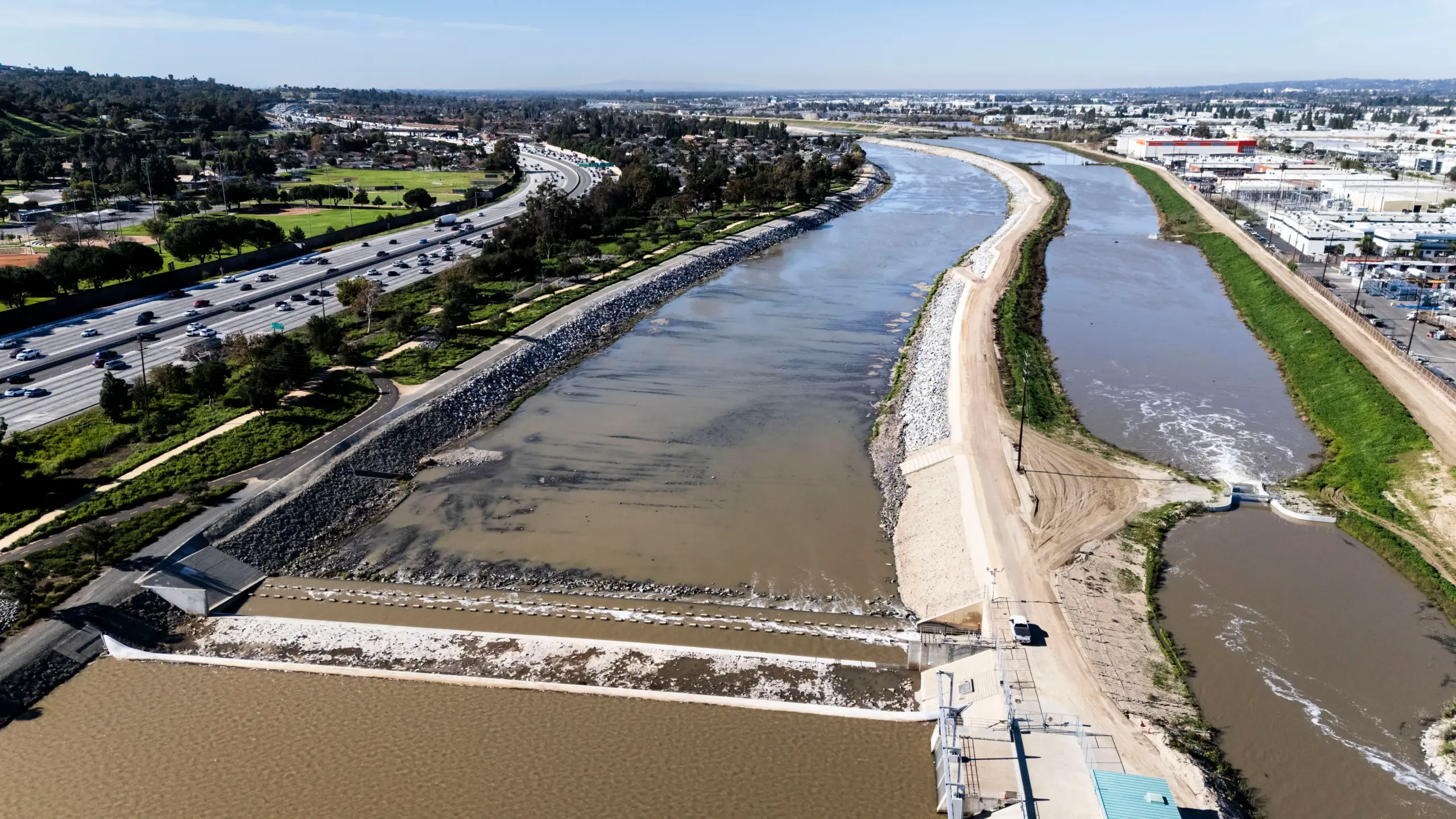
Five Southern California water agencies have completed a $169 million regional water management program to strengthen water supply reliability and restore critical habitat throughout the Santa Ana River watershed.
Read more Ireland faces pressure to stop sending Russia an ingredient vital to its war on Ukraine
While the 10-year project was not timed for a specific weather event, its completion came just ahead of a projected significant El Niño winter.
The project known as the Santa Ana River Conservation and Conjunctive Use Program, or SARCCUP, was celebrated at a ribbon-cutting ceremony Monday morning at the Riverside Art Museum. The project’s efforts were led by the Eastern Municipal Water District (EMWD), Inland Empire Utilities Agency (IEUA), Orange County Water District (OCWD), San Bernardino Valley Municipal Water District (SBVMWD) and Western Municipal Water District (Western Water).
“SARCCUP was designed so that when it is raining in Southern California, we capture that water and move it into these different facilities that we built, and we hold it,” said Heather Dyer, SBVMWD CEO and general manager. “Water supply reliability is all about savings. You need to have your savings account established before you need the water.”
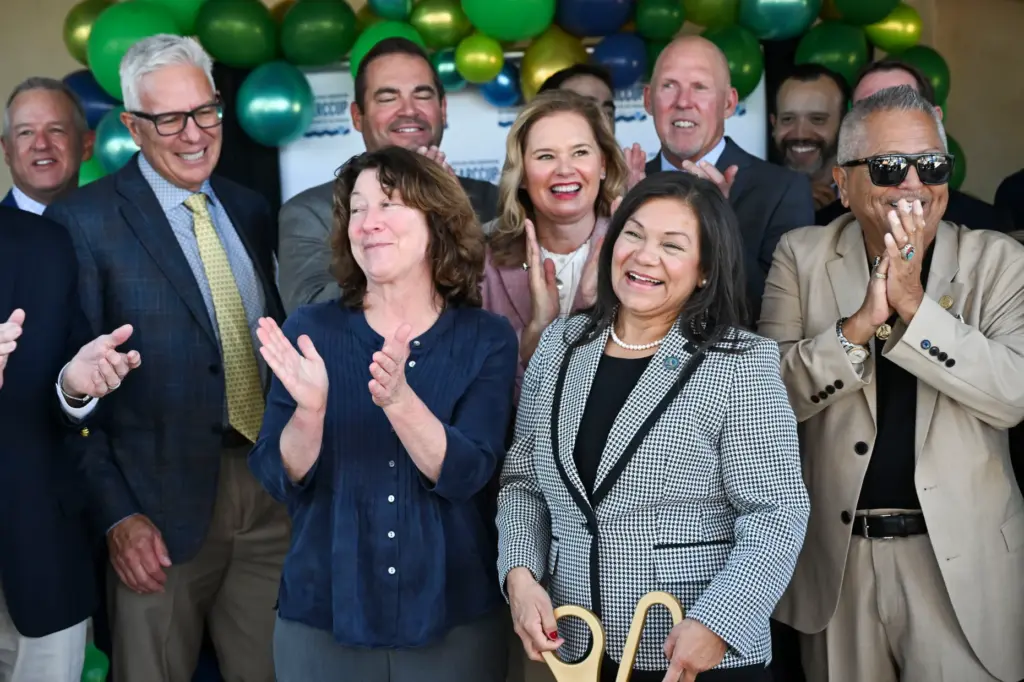 Officials from five Southern California water agencies and Assemblymember Leticia Castillo cheer as they celebrate the completion of the Santa Ana River Conservation and Conjunctive Use Program during a ribbon-cutting ceremony on Monday, Nov. 9, 2026, in Riverside. The $169 million initiative is a regional water management program. (Photo by Anjali Sharif-Paul, The Sun/SCNG)
 The Orange County Water District works on a Fullerton water well. (Courtesy photo by the Santa Ana Watershed Project Authority)
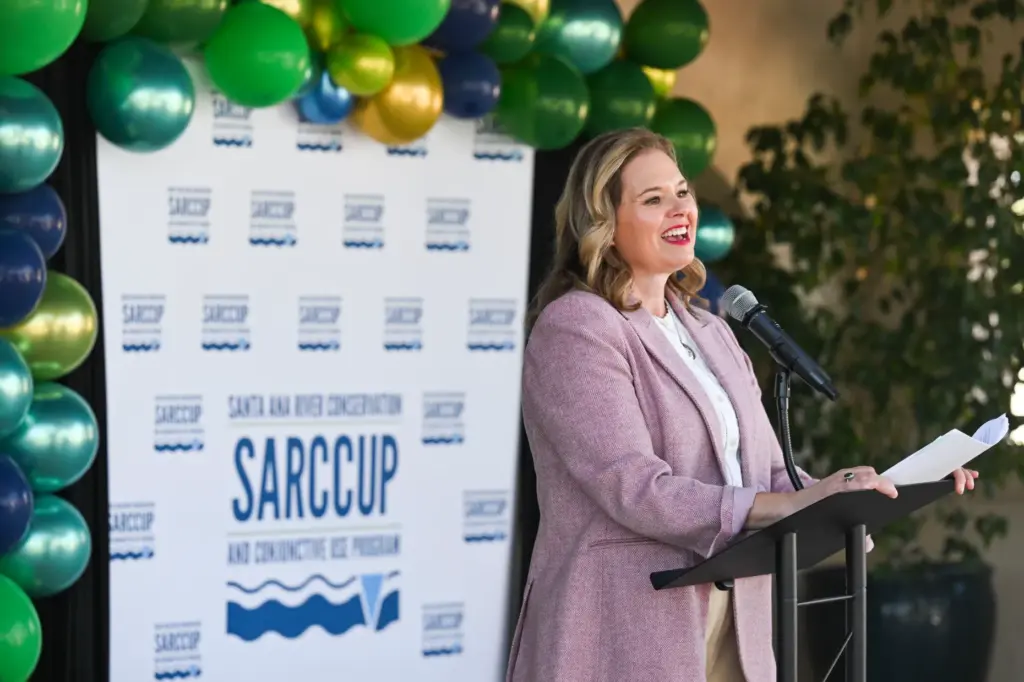 Heather Dyer, chief executive officer and general manager of the San Bernardino Valley Municipal Water District, speaks at the ribbon-cutting ceremony for the Santa Ana River Conservation and Conjunctive Use Program on Monday, Nov. 9, 2026, in Riverside. The $169 million initiative is a regional water management program involving five agencies. (Photo by Anjali Sharif-Paul, The Sun/SCNG)
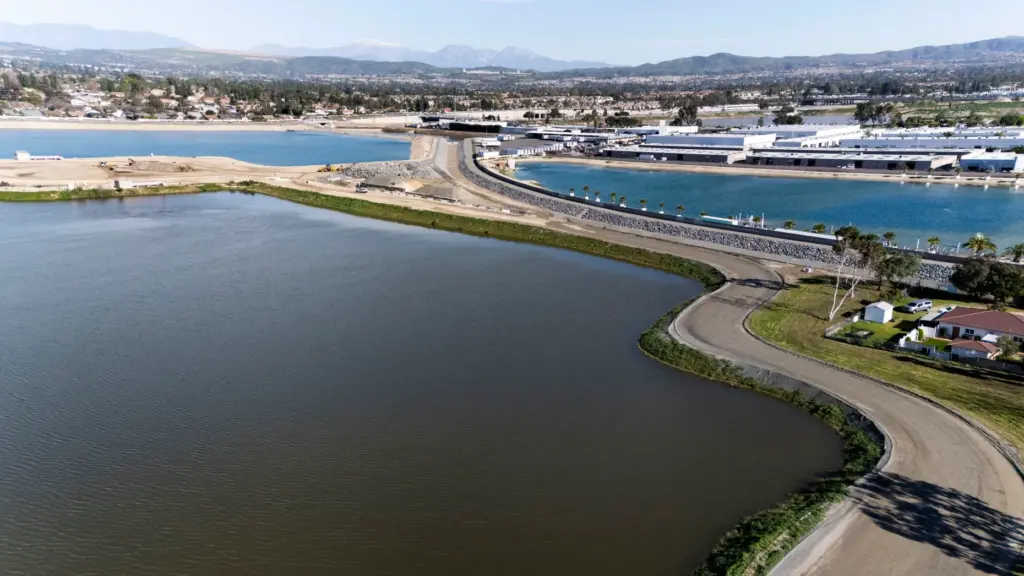 Orange County Water District recharge basins Kraemer, Miller and Miraloma are at full capacity in Anaheim, CA on Friday, January 9, 2026. (Photo by Paul Bersebach, Orange County Register/SCNG)
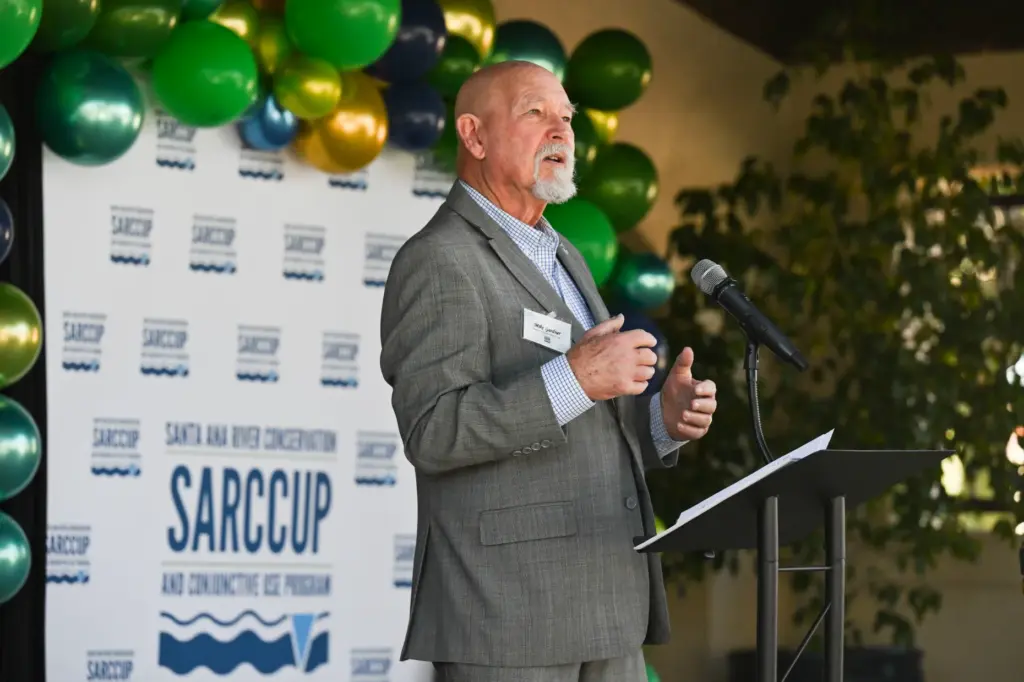 Mike Gardner, a board member of the Western Municipal Water District, speaks at the ribbon-cutting ceremony for the Santa Ana River Conservation and Conjunctive Use Program on Monday, Nov. 9, 2026, in Riverside. The $169 million initiative is a regional water management program involving five agencies. (Photo by Anjali Sharif-Paul, The Sun/SCNG)
 The Orange County Water District works on a Fullerton water well. (Courtesy photo by the Santa Ana Watershed Project Authority)
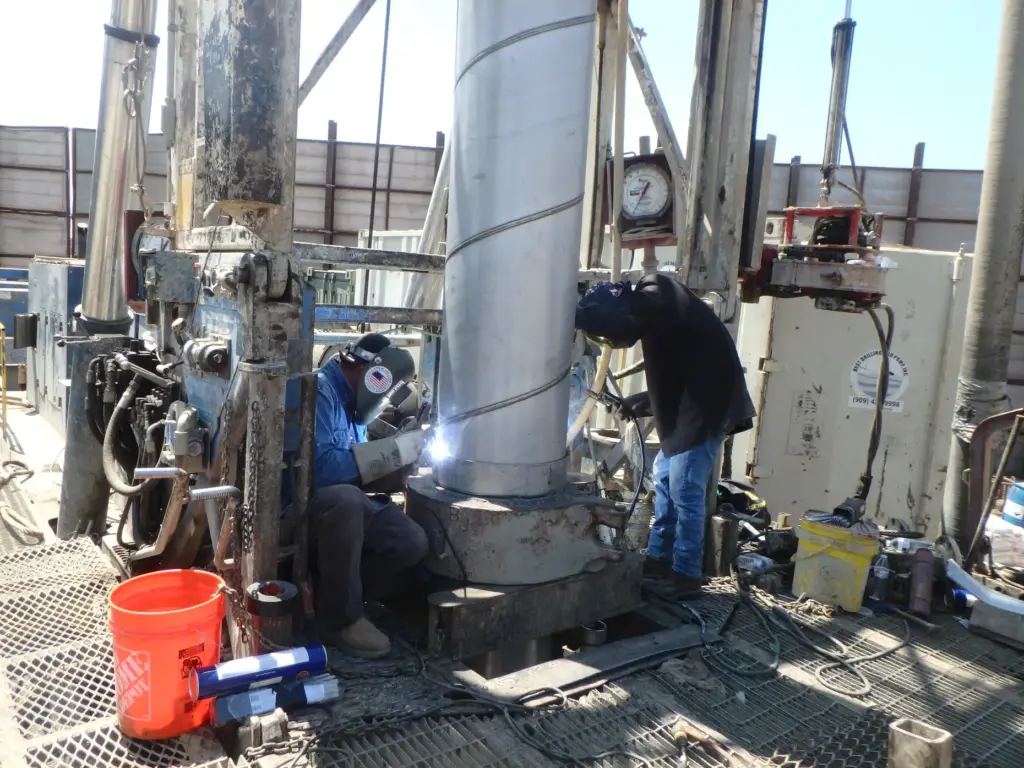 The Orange County Water District works on a Fullerton water well. (Courtesy photo by the Santa Ana Watershed Project Authority)
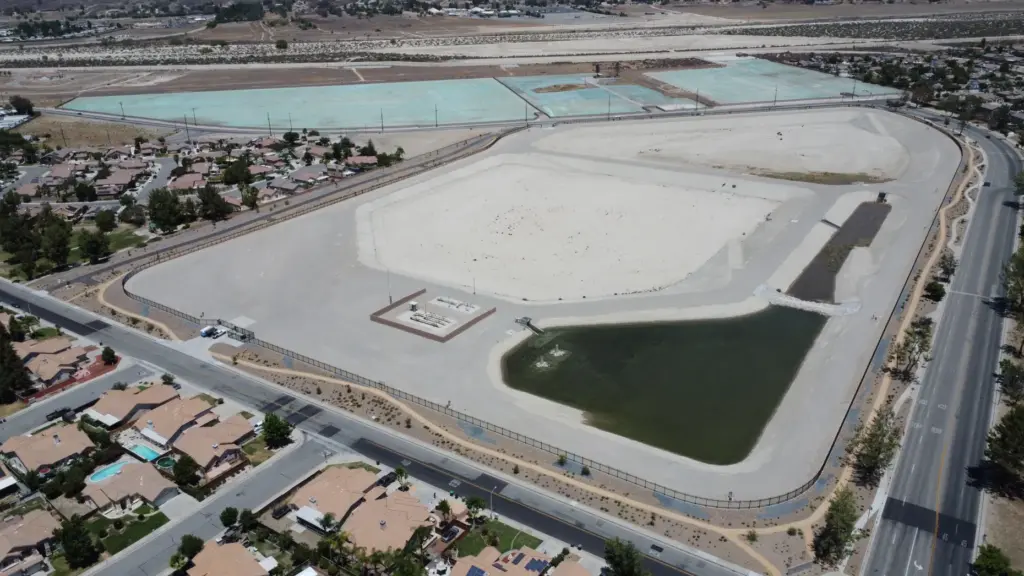 The Orange County Water District works on a Fullerton water well. (Courtesy photo by the Santa Ana Watershed Project Authority)
 The Orange County Water District works on a Fullerton water well. (Courtesy photo by the Santa Ana Watershed Project Authority)
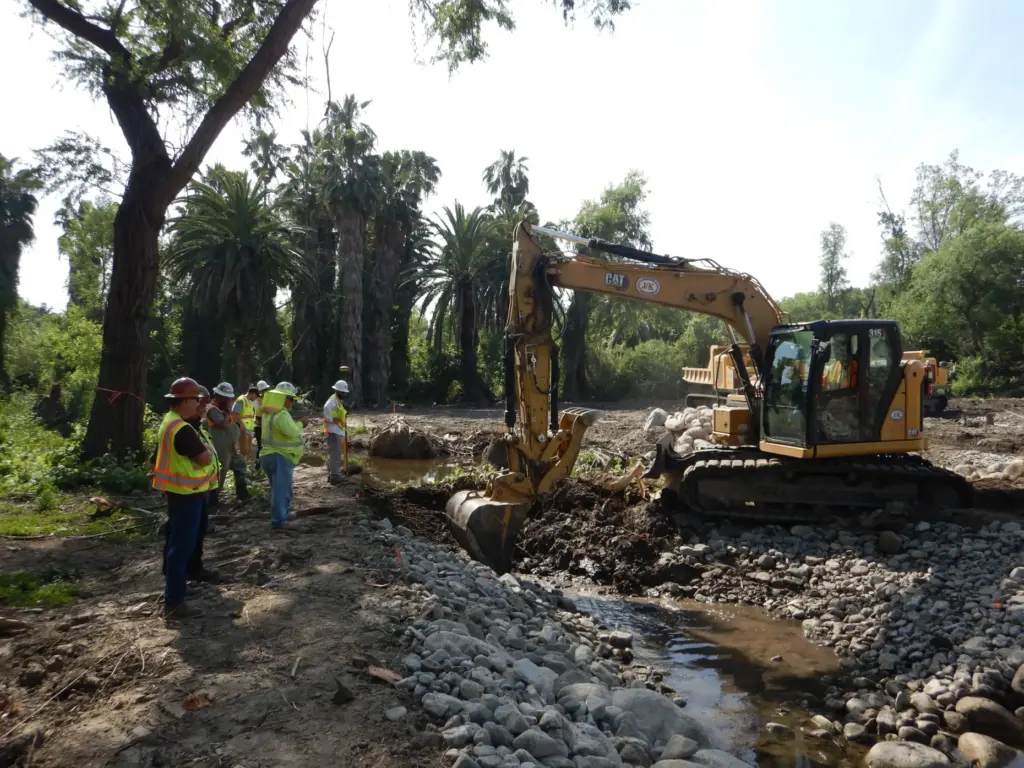 The Orange County Water District works on a Fullerton water well. (Courtesy photo by the Santa Ana Watershed Project Authority)
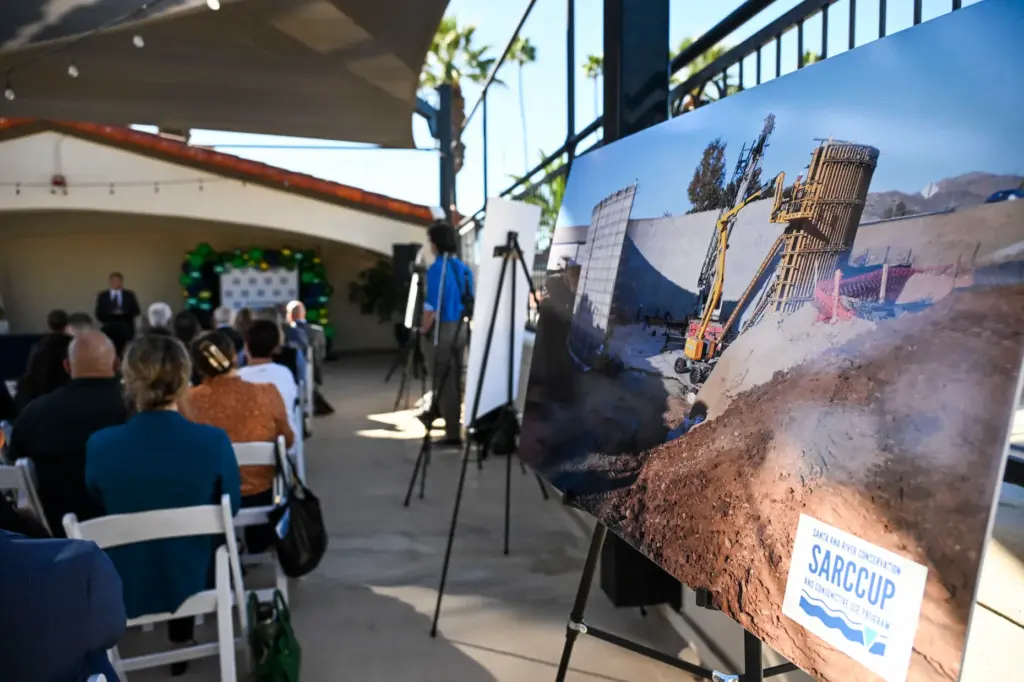 Speakers address the crowd during a celebratory ribbon-cutting ceremony for the Santa Ana River Conservation and Conjunctive Use Program as a photo of the Western Reservoir are displayed on Monday, Nov. 9, 2026, in Riverside. The $169 million initiative is a regional water management program involving five agencies. (Photo by Anjali Sharif-Paul, The Sun/SCNG)
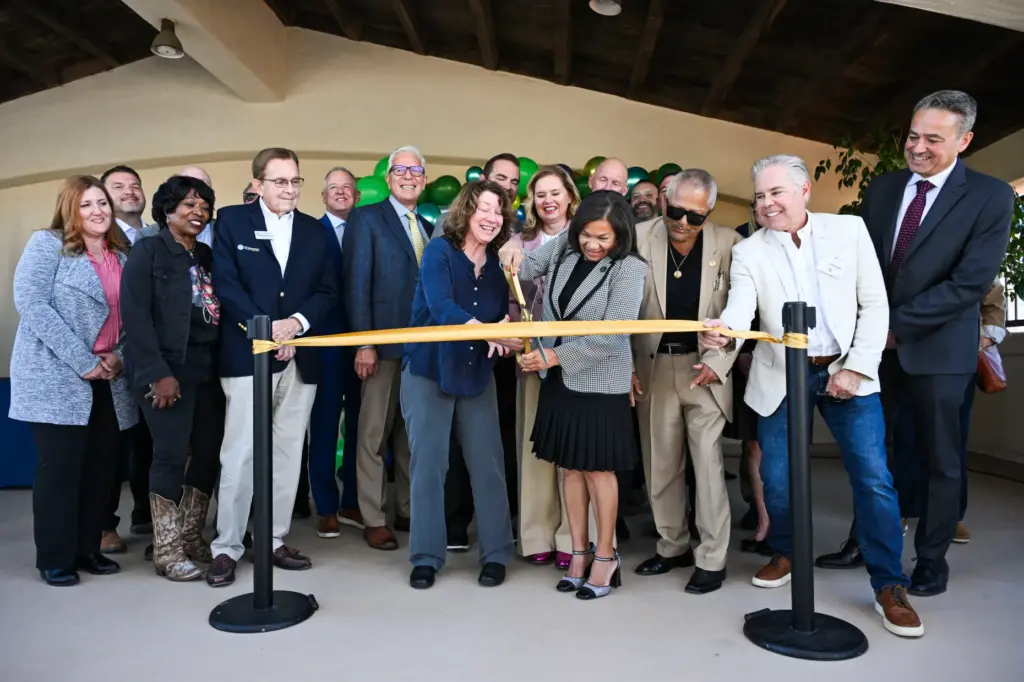 Officials from five Southern California water agencies celebrate the completion of the Santa Ana River Conservation and Conjunctive Use Program with a ribbon-cutting ceremony on Monday, Nov. 9, 2026, in Riverside. The $169 million initiative is a regional water management program. (Photo by Anjali Sharif-Paul, The Sun/SCNG)
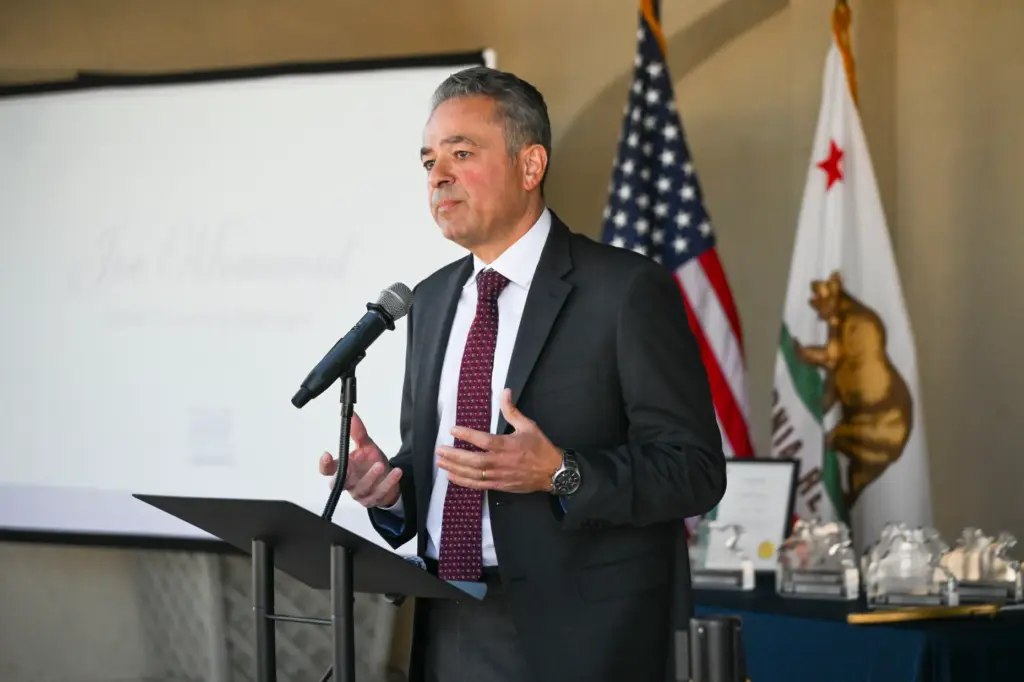 Joe Mouawad, a general manager of the Eastern Municipal Water District, speaks at the ribbon-cutting ceremony for the Santa Ana River Conservation and Conjunctive Use Program on Monday, Nov. 9, 2026, in Riverside. The $169 million initiative is a regional water management program involving five agencies. (Photo by Anjali Sharif-Paul, The Sun/SCNG)
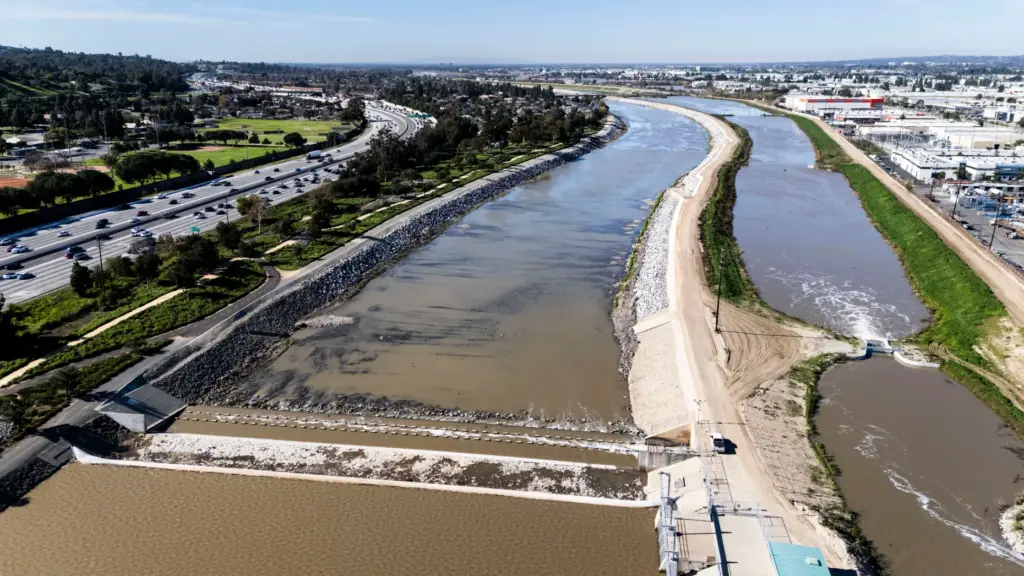 Water from the Santa Ana River is diverted in and out of the main channel, left, by the Orange County Water District in Anaheim, CA on Friday, January 9, 2026. Water is diverted to storage basins that replenish underground aquifers. (Photo by Paul Bersebach, Orange County Register/SCNG)
The approximately $169 million program combines $55 million in Proposition 84 – a measure passed by voters in 2006 to fund water projects – funding through the One Water One Watershed grant from the State of California’s Department of Water Resources and approximately $114 million in local and additional cost share, according to the regional water joint powers authority, Santa Ana Watershed Project Authority (SAWPA).
One of SARCCUP’s critical elements is groundwater banking, which allows water to be stored underground when supplies are plentiful and recovered during droughts, especially important when considering winter storms driven by the weather pattern known as El Niño.
This year, warmer Pacific Ocean temperatures are predicted to create wetter storm conditions and may increase flooding in some areas, according to the National Oceanic and Atmospheric Administration. El Niño events happen every two to seven years on average, but they don’t follow a regular schedule, the National Weather Service says.
SAWPA reports that SARCCUP’s investments in recharge facilities, wells, pipelines, pump stations, and regional connections support approximately 137,000 acre-feet of potential groundwater storage across six basins, subject to water availability and operating conditions.
“SARCUP was designed to address those kinds of conditions that we expect are going to happen this year. And so we already have the pieces in place. If we have 30,000 acre-feet of extra water this year, which is about 100,000 homes’ worth of water supply, we will be able to bring it down and put it in the ground, and then in a future drought, we’ll be able to extract it via wells,” Dyer said.
Water is a finite commodity, said Western Water Board member Mike Gardner. He said SARCCUP’s priority of capturing stormfall could save the region’s residents money.
“You’ve got water resiliency, more water reliability, and costs don’t go up as fast,” Gardner said.
Read more A Romanov sapphire bracelet sells for $4.9 million at a Geneva auction
Preserving Santa Ana River ecology was also a priority, said Dyer. SARCCUP “demonstrates that environmental restoration and water reliability are not competing priorities,” she said.
The SARCCUP program included Anza Creek and Hidden Valley Creek tributary restoration projects, costing $5 million.
“Both of these streams were restored on land that we don’t own, with water that we don’t capture and control ourselves,” Dyer said.
Dyer said restoring these tributary streams provides water resources for critical habitat for the federally protected Santa Ana sucker fish and other native species.
Gardner said the five water agencies that worked on making SARCCUP a reality aren’t a typical occurrence.
“They didn’t necessarily dislike each other, but they did work to disadvantage each other and advantage themselves. And there’s been a shift, and I think SARCUP is a contributor to that,” Gardner said.
The scope of the project took a considerable amount of time, said Joe Mouawad, general manager at Eastern Municipal Water District, “There’s a lot of sequential parts to it.”
“It takes a while for these types of programs to come together, but as you can imagine, it’s not just conversations. It’s putting in the agreements. It’s getting the funding from the state. It’s putting in the design, and then ultimately constructing the facility,” said Mouawad.
Mouawad said he believes the project marks the beginning of a new era of collaboration and cooperation.
“We face common challenges, and sometimes the solution is for all of us to work together for the entire region, and not just for our individual agency, Mouawad said.
Read more Baboons made themselves at home in this town and a battle between their defenders and haters ensued