
When a child dies unexpectedly, police and medical examiners swing into action alongside social workers to figure out what happened. Was it a tragic accident? Or was it criminal?
Read more When is a child’s death a crime, and when is it a tragic accident?
Having physical evidence of intent or extreme recklessness — non-accidental head trauma, shaking, severe beating — makes proving criminal charges “beyond a reasonable doubt” much more straightforward, and charges are filed in the vast majority of those cases, experts said.
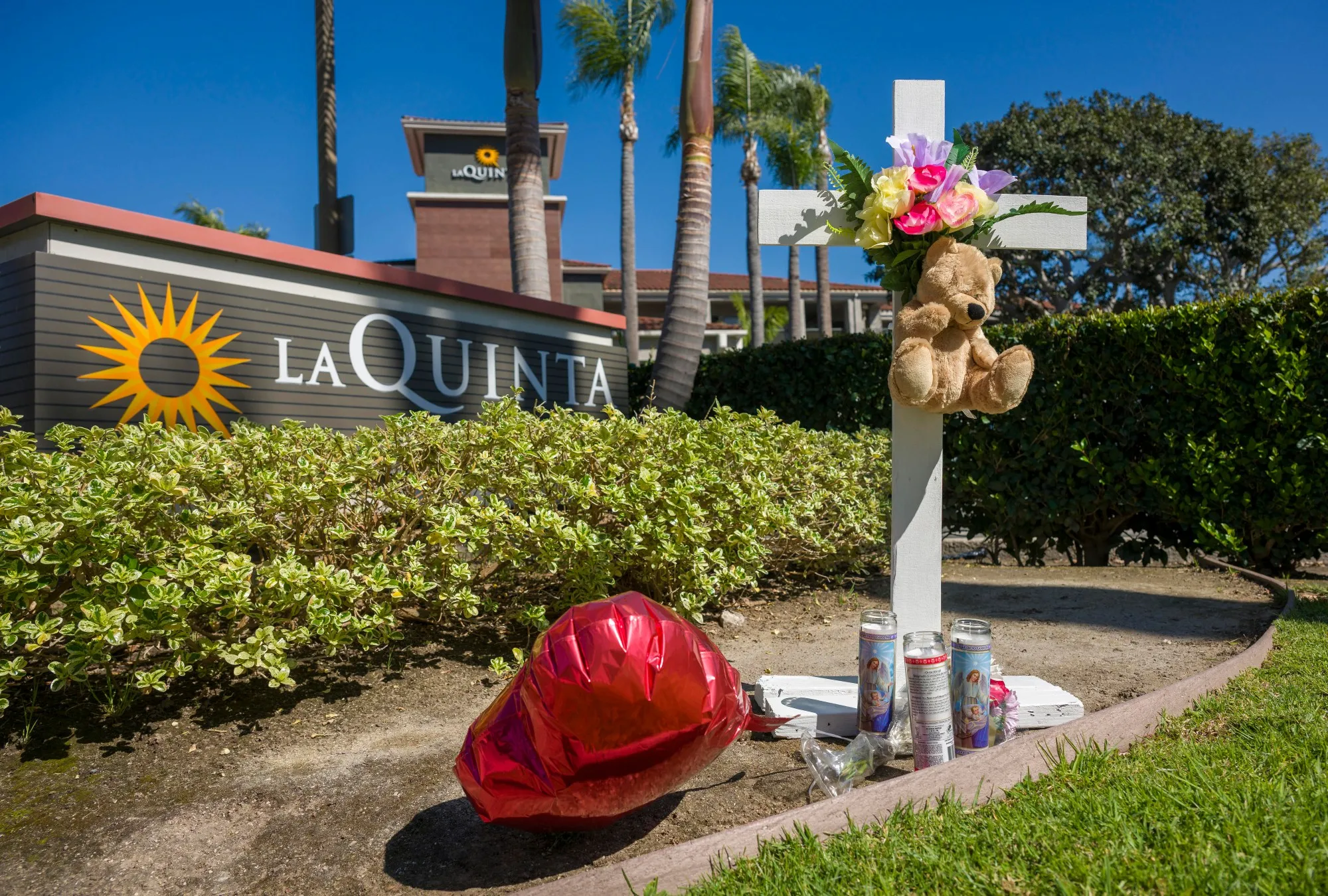
The murder charges filed against Saritha Ramaraju, accused last year of slitting her 11-year-old son’s throat and leaving him to die on a hotel bed surrounded by Disneyland souvenirs, are such a case.
But proving criminal neglect resulting in death is a much thornier prospect. Prosecutors must show that a caregiver’s actions went beyond bad judgment and rose to the level of flagrant, reckless disregard for human life. Cases where kids die after ingesting illegal drugs often fall into this category and appear to be prosecuted more frequently as of late; children drowning due to a lack of adult supervision, or suffocating from unsafe sleeping arrangements, fall into this category, too, but related charges appear to be rare.
New parents are counseled to never, ever share a “sleeping surface” with their babies. Babies should sleep in a separate, flat, firm bassinet or crib, free of pillows, heavy blankets, toys and loose bedding, and should be placed on their backs, not bellies. The danger of adults sharing a “sleep surface” with children after those adults have consumed alcohol, drugs or sedating medications is explicitly called out, due to the risk of accidentally suffocating the child.
Despite these warnings, unsafe sleeping contributed to almost two dozen child deaths in Los Angeles, Orange, Riverside and San Bernardino counties in 2024 and 2025, according to the Southern California News Group’s analysis. Some of the adults involved were intoxicated.
“A determination on criminal vs. non-criminal is made based on the totality of the circumstances,” said Lt. Deirdre Vickers with the Riverside County Sheriff’s Department. “Unfortunately, it is not possible to draw a line between criminal and non-criminal … all need to be thoroughly investigated because every case is unique.”
Autopsies often hold the key. When evidence points to direct physical abuse, the criminal justice system rumbles to life: Investigators decide which statutes apply, make arrests and present the case to prosecutors in the District Attorney’s Office. The D.A. then decides whether there’s enough evidence to file charges and bring the case to trial, proving guilt beyond a reasonable doubt.
Read more UK government approves a natural gas project off Scotland despite environmental concerns
It is traumatic work. “Investigating child victim cases, both physical and sexual abuse, as well as child deaths, can be very difficult,” said Vickers. “They are physically and mentally taxing for everyone involved in the investigation. California’s mandated reporting laws ensure these cases are investigated and do not fall through the cracks.”
Research suggests, however, that some fall through the cracks nonetheless.
Studies estimate that child maltreatment deaths are routinely undercounted by 50% to 75%, thanks at least in part to differing reads on what’s an abuse or neglect and what’s a tragic accident.
Even when deaths are closely examined, coroners and medical examiners often conclude that they’re of “indeterminate cause,” said Dr. Jeoffry Gordon, a retired physician who volunteers on the California Citizens Review Panel for Critical Incidents. “It’s another way that things get buried,” he said.
“If you’re an epidemiologist, you know we have as many children die in the U.S. from abuse and neglect as die from all childhood cancers. But the NIH (National Institutes of Health) spends a hundredfold more money on childhood cancer than on deaths due to abuse and neglect. Moms with kids with cancer have political influence. Moms with abuse and neglect issues do not. The whole system is on tilt.”
The unheralded, underexamined deaths make some wonder if people are getting away with, if not quite murder, then something sadly akin to it.
This project was produced in partnership with the USC Center for Health Journalism through its Data Fellowship.