
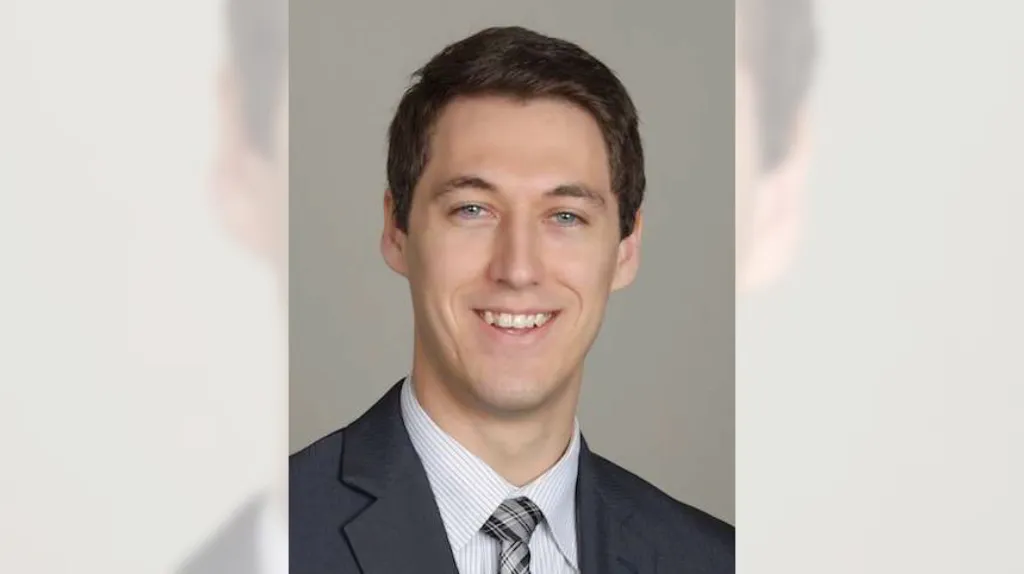
By Dr. Taylor Jackson
Contributing Writer
Scoliosis Awareness Month is a great time to educate families about early recognition, treatment options, and long-term outcomes for children with this spinal condition.
Read more OnlyFans content creator sentenced to 4 years for fatal fetish encounter
Although scoliosis may once have been a dreaded diagnosis, these days, children with scoliosis can lead active, healthy and fulfilling lives.
What is scoliosis?
Scoliosis is a three-dimensional curvature and rotation of the spine that often develops during periods of rapid growth. The spine curves abnormally into an “S” or “C” shape. Scoliosis affects approximately 2% to 3% of children and adolescents.
Most scoliosis cases are mild and only require observation and routine follow-up, while surgery may be recommended for severe cases.
Signs of scoliosis
Early detection is important and can help prevent progression of spinal deformity and reduce the need for surgery.
Common signs families may notice include:
• Uneven shoulders
• Rib prominence
• Waist asymmetry
• Leaning to one side
Pediatricians, school screenings, and parents all play a vital role in identifying scoliosis early.
Activity and quality of life
Most children with scoliosis can continue participating fully in sports, dance, and other activities.
Staying active supports overall physical and mental health and is encouraged.
It’s important that we treat the patient, not just the X-ray. Treatment is about preserving function, supporting confidence, and maintaining quality of life.
Pediatricians will observe kids with mild scoliosis with X-rays to monitor curve progression.
Read more Health sleuths are watching for disease threats during the World Cup
Many patients benefit from physical therapy.
Bracing may be recommended for growing children with progressive curves to help prevent the condition from worsening. It’s important to note that modern scoliosis braces are more effective and more comfortable than many families expect. Early identification of progression improves the likelihood that bracing will be successful.
Innovations and advances in scoliosis surgery
Pediatric scoliosis surgery has advanced significantly over the past several decades and modern surgical care at the CHOC Orthopedic Institute includes:
• Advanced imaging and CT navigation to improve patient safety
• Intraoperative neuromonitoring to prevent spinal cord injury
• Blood conservation strategies to limit blood loss
• Early recovery protocols
• Robotic surgery
• Motion-preserving procedures in select cases
Following surgery, patients can return to prior activities, including sports, dance, gymnastics, etc.
Supporting patients and families
Family education, communication, and shared decision-making are essential when treating a child with scoliosis.
Seeking out trusted information and asking questions can reduce fear and uncertainty surrounding a new diagnosis.
Resources for families are available through the Scoliosis Research Society, Setting Scoliosis Straight Foundation, OrthoKids and Pediatric Orthopaedic Society of North America. And some advocacy and peer groups are the Curvy Girls Scoliosis Foundation, ScoliBoys and Higgy Bears.
Dr. Taylor Jackson is a dual fellowship-trained pediatric orthopedic spine surgeon at Rady Children’s Health, formerly called CHOC, in Orange County.
Read more Join the beaver hunt: Toronto neighborhood offers unique World Cup-themed scavenger hunt