
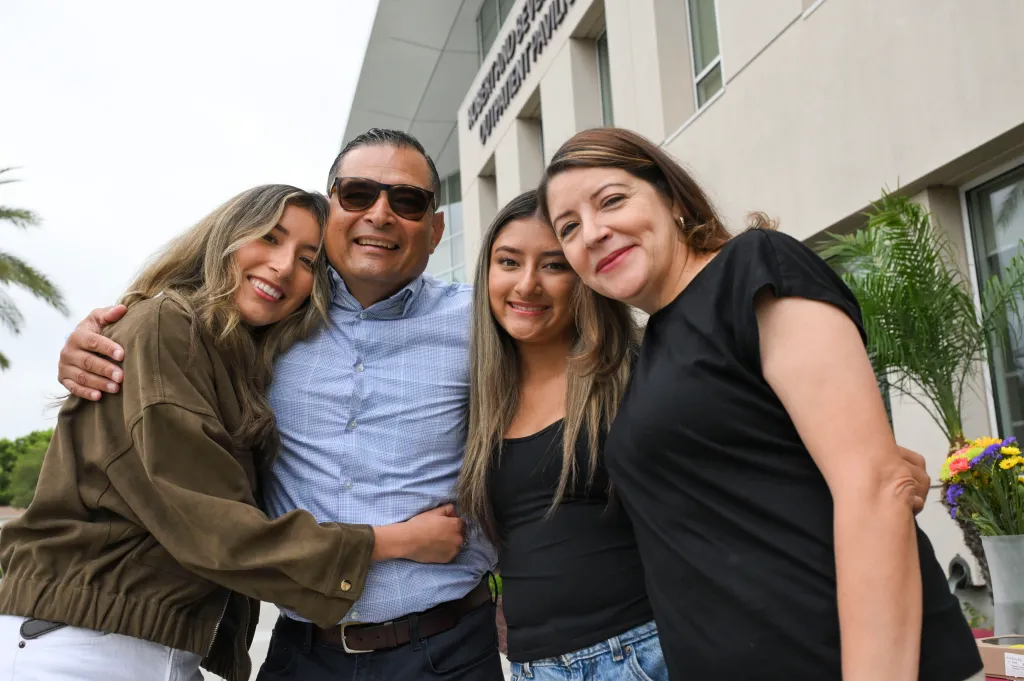
As a busy father, husband, avid bicyclist and retired firefighter, 55-year-old George Rojas never thought a stroke could happen to him.
“It was kind of a surreal moment,” he said. “I’m usually the one that’s pushing people through those emergency room doors. Now I’m the one getting rolled through.”
After surviving the stroke, which suddenly reduces blood in the brain, Rojas and his family are grateful to be celebrating another Father’s Day.
The Chino Hills resident woke up early on Nov. 4, 2025 — Election Day — to take his youngest daughter to cheerleading practice and recalled feeling “foggy.”
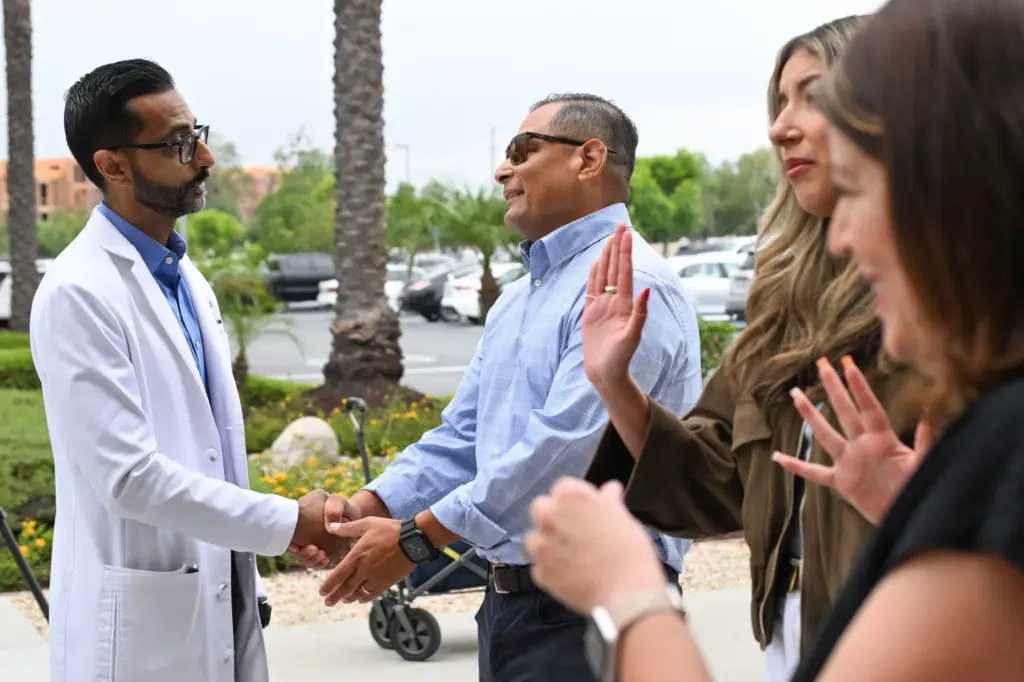 George Rojas reunites with Dr. Adeel Popalzai and members of the stroke team at Pomona Valley Hospital Medical Center on Thursday, June 18, 2026. Despite being healthy and active, Rojas suffered a stroke and said the team’s treatment helped save his life. (Photo by Anjali Sharif-Paul, The Sun/SCNG)
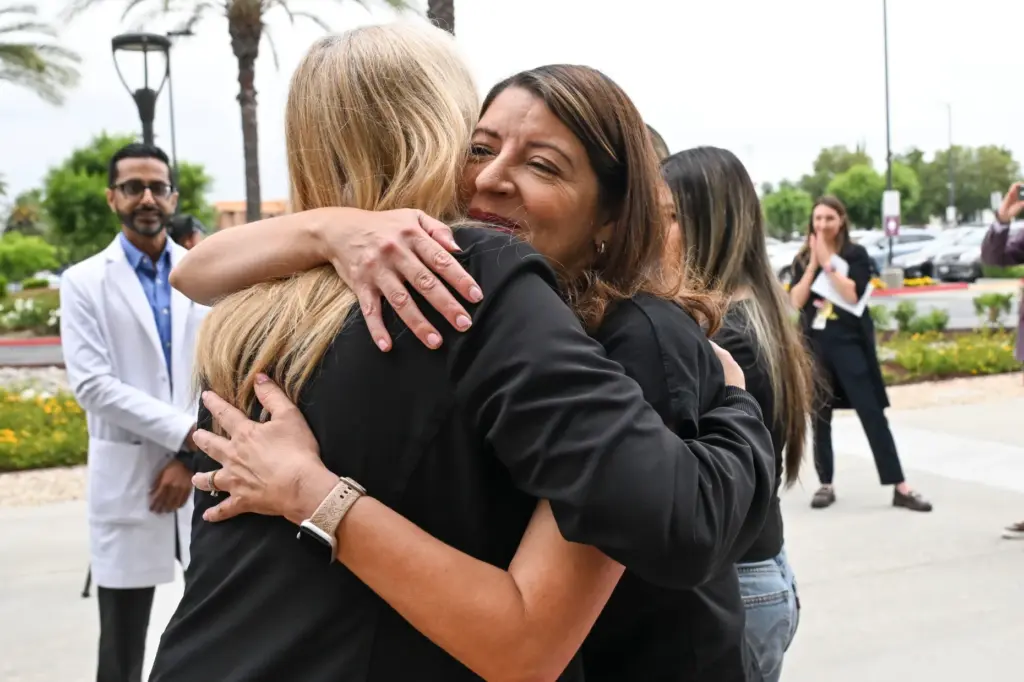 Leticia Rojas, right, wife of stroke survivor George Rojas, hugs stroke team registered nurse Kimberly Jones on Thursday, June 18, 2026, at Pomona Valley Hospital Medical Center. Despite being healthy and active, George Rojas suffered a stroke and said the team’s treatment helped save his life. (Photo by Anjali Sharif-Paul, The Sun/SCNG)
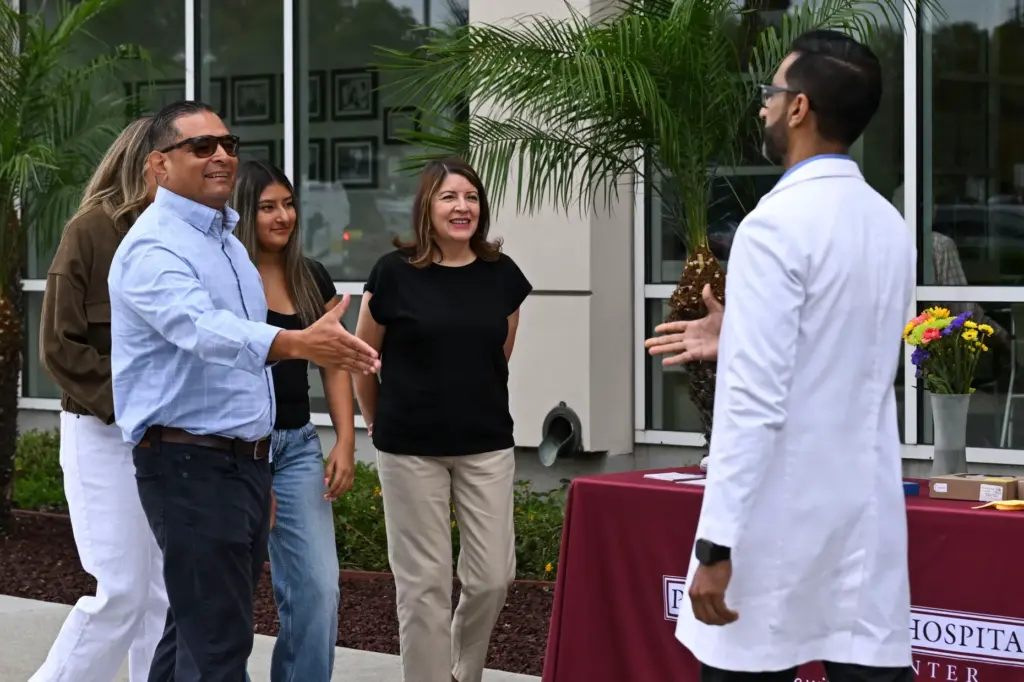 George Rojas reunites Thursday, June 18, 2026, with Dr. Adeel Popalzai and members of the stroke team at Pomona Valley Hospital Medical Center. He said the team’s treatment helped save his life after a November 2025 stroke. (Photo by Anjali Sharif-Paul, The Sun/SCNG)
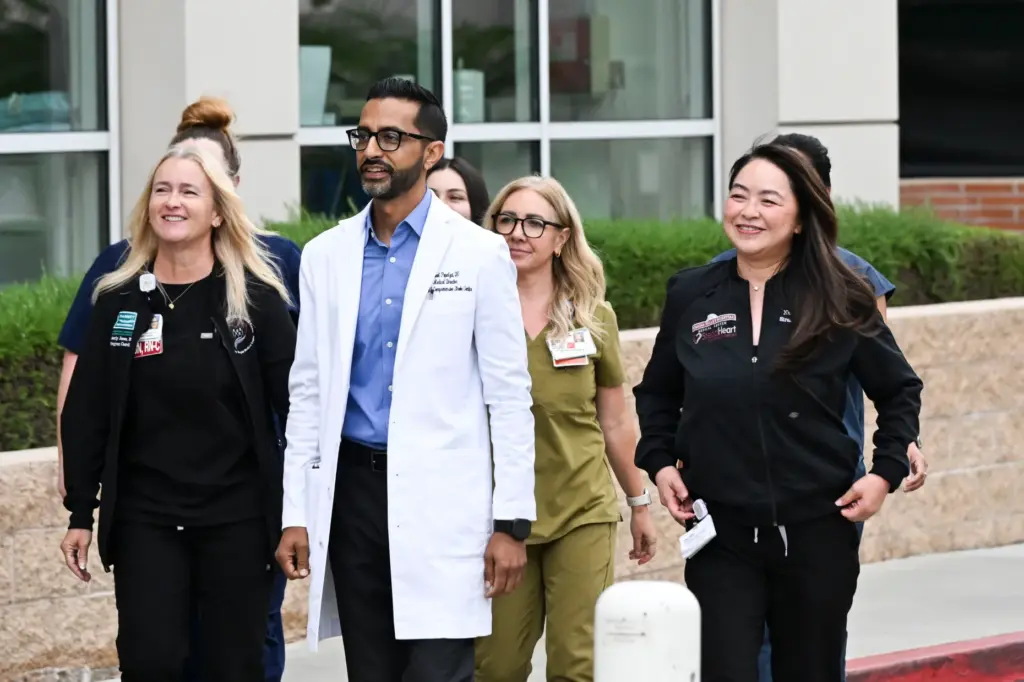 Dr. Adeel Popalzai, medical director of neurology, and members of Pomona Valley Hospital Medical Center’s stroke team prepare Thursday, June 18, 2026, to reunite with former patient George Rojas. (Photo by Anjali Sharif-Paul, The Sun/SCNG)
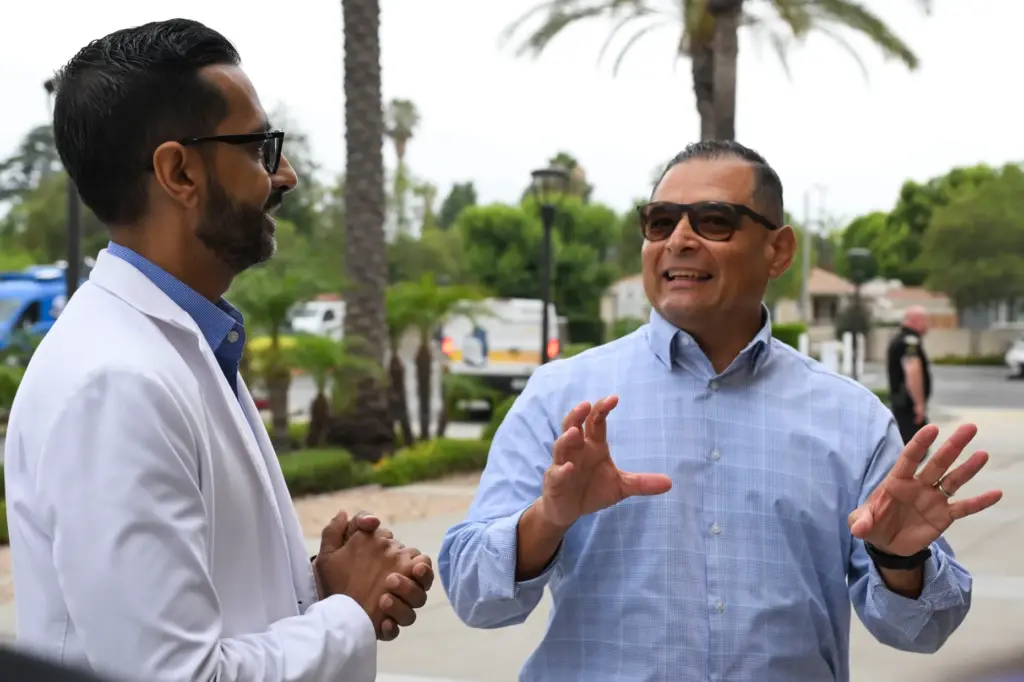 George Rojas, right, reunites Thursday, June 18, 2026, with Dr. Adeel Popalzai at Pomona Valley Hospital Medical Center, where Rojas was treated after suffering a stroke. (Photo by Anjali Sharif-Paul, The Sun/SCNG)
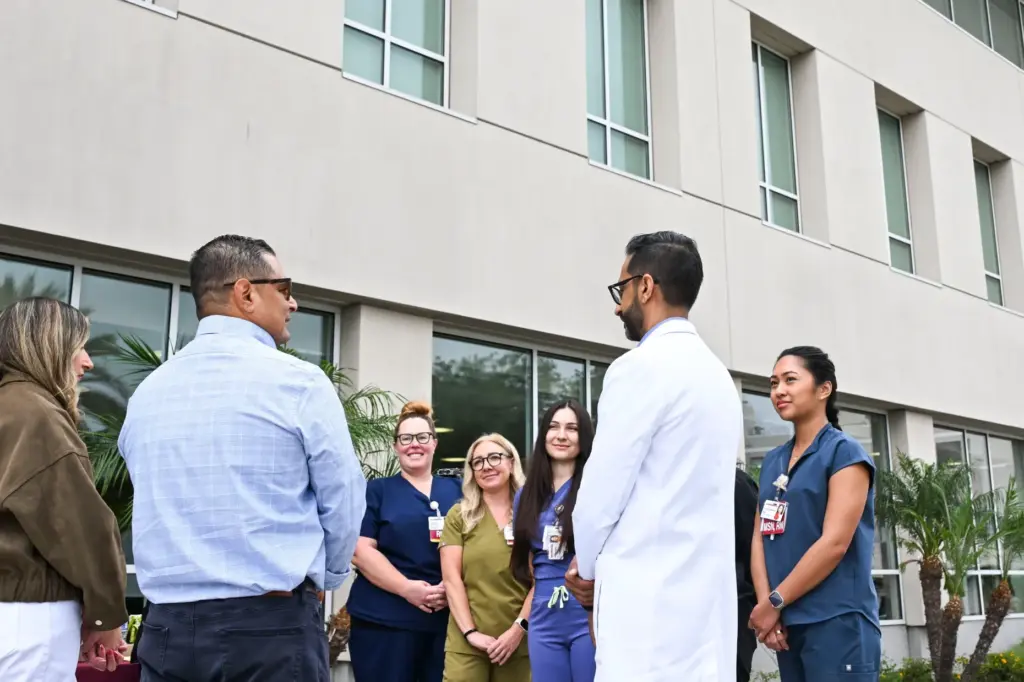 Retired firefighter and stroke survivor George Rojas and his family meet members of the stroke team at Pomona Valley Hospital Medical Center on Thursday, June 18, 2026. (Photo by Anjali Sharif-Paul, The Sun/SCNG)
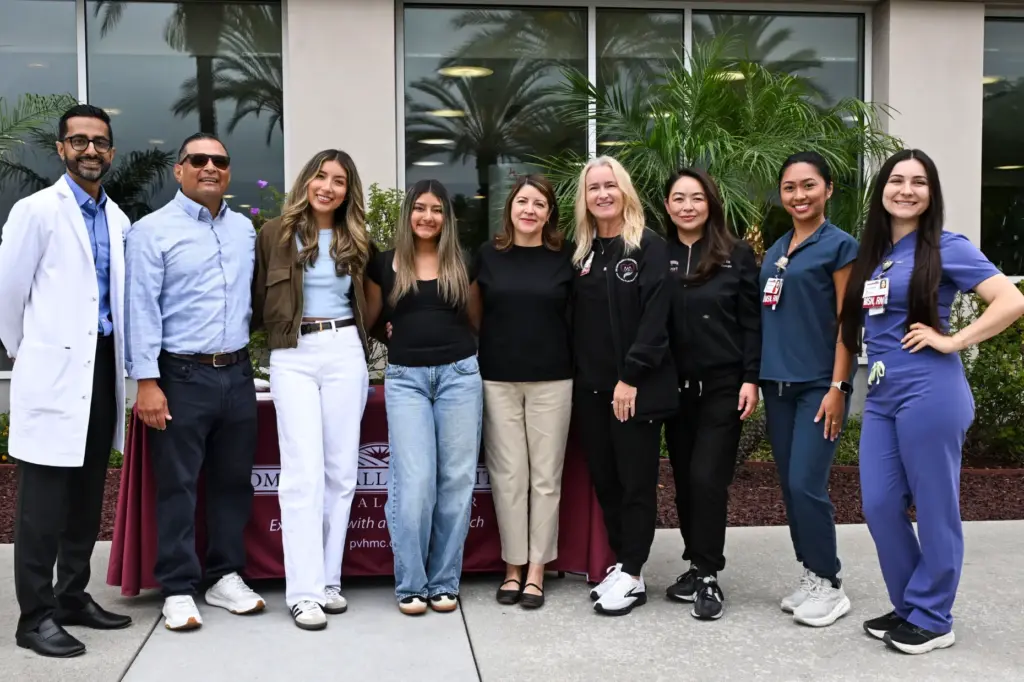 George Rojas and his family are seen Thursday, June 18, 2026, with members of Pomona Valley Hospital Medical Center’s stroke team. Rojas suffered a stroke in November 2025 and said the team’s treatment helped save his life. (Photo by Anjali Sharif-Paul, The Sun/SCNG)
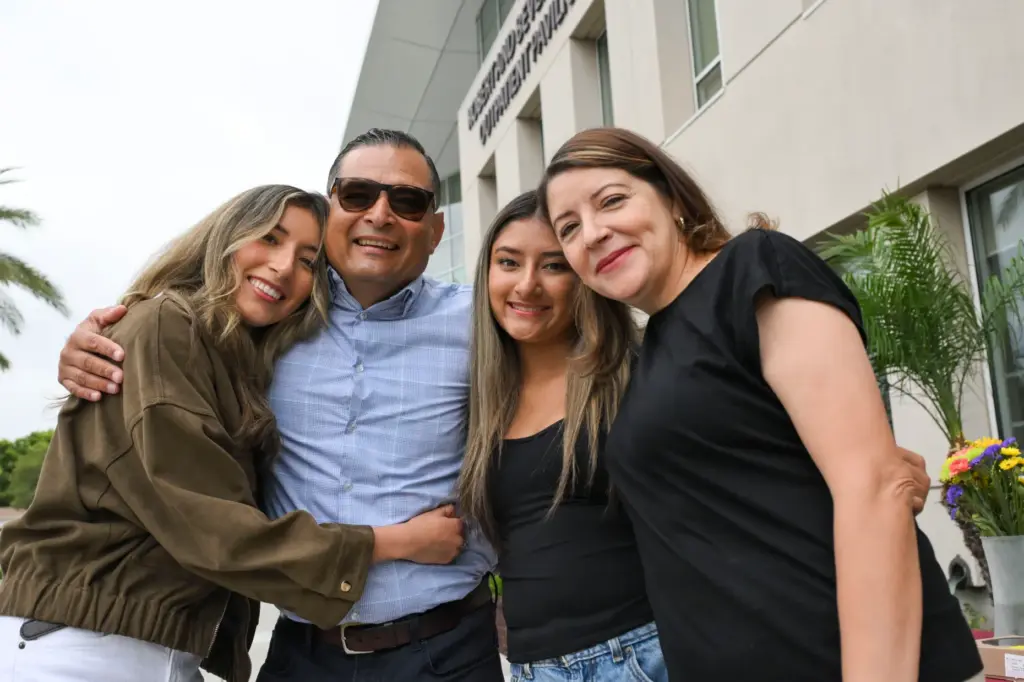 Retired firefighter and stroke survivor George Rojas is seen at Pomona Valley Hospital Medical Center on Thursday, June 18, 2026, with his family. From left are Celeste Rojas, 24; George Rojas; Sarah Rojas, 16; and wife Leticia Rojos. George Rojas said he is grateful to celebrate another Father’s Day after his November 2025 stroke. (Photo by Anjali Sharif-Paul, The Sun/SCNG)
“My vision, my hearing, my left arm felt like I was floating … I knew something’s not right. My wife checked on me in the bathroom and saw I was slumped over. I heard her pick up the phone right away and call 911,” Rojas said.
He had the common signs of a stroke, according to the American Stroke Association: slurred speech, the inability to move and a droop on his face. Rojas awaited medical care, supported by his wife, Leticia, and two daughters, Celeste and Sarah.
Making the emergency call in those precious seconds, Rojas said, ended up saving his life.
Within minutes, paramedics had arrived and determined he had a stroke. Rojas was rushed to Pomona Valley Hospital Medical Center, which offers specialized neuro-intensive care for strokes.
Rojas underwent a procedure for an IV medication used to break down clots and restore blood flow to the brain, hospital officials said in a news release. To work effectively, the medication must be given within three hours of the first stroke symptom.
Because his stroke was quickly treated, officials said in the release, Rojas recovered and went home within three days — without paralysisand after passing cognitive tests.
His story “demonstrates the importance of receiving immediate stroke treatment to experience the best health outcome,” hospital officials said in the release.
According to the American Stroke Association, nearly 800,000 people in the U.S. experience a stroke every year. It is a leading cause of long-term disability and the fifth leading cause of death nationwide.
For Rojas, getting treated quickly was nothing short of a miracle, he said — especially as he’s been on the other side of emergency response for over 25 years, saving lives as a firefighter with Cal Fire all over Riverside, San Bernardino and San Diego counties.
Seeing the head surgeon on that November morning “in action, calling out what needed to be done,” gave him an immediate sense of peace.
“It was like being back on the fire engine, calling out orders, but she was in charge,” Rojas said.
Read more Layne Riggs wins Craftsman Trucks series race, kicking off NASCAR’s San Diego Weekend in Coronado
Months later, the now-retired Rojas personally thanked his care team in a touching reunion at the Pomona hospital on Thursday, June 18.
“Every single staff, nurse, doctor, surgeon, neurologist who came and attended to me was exceptional,” he said. “It’s a testament to, when you’re having a medical emergency, time is of the essence. If you’re ever feeling anything not right, get on the phone and dial 911.”
Doctors told him that being active played a major role in his recovery, Rojas said.
Since the stroke and once he’d been cleared by his doctor for physical activity, Rojas has kept a routine of exercise and a healthy diet. That regimen includes walking, biking and keeping stress at bay.
“My wife’s been telling me to slow down,” he laughed. “I wouldn’t be as active as I am if it wasn’t for my care team …. they told me, ‘Consider yourself lucky. And thank your family.’”
Leticia Rojas said she thought her husband was suffering a heart attack and admitted not knowing the signs of stroke, which include a drooping face, muscle weakness, blurry vision and difficulty speaking. She “didn’t waste a minute” in calling, which she believes saved her husband’s life.
Eldest daughter Celeste Rojas, 24, said that at the time, it was “scary, not knowing what was happening.” She remembers asking her dad questions about baseball to keep him talking as they waited for the ambulance.
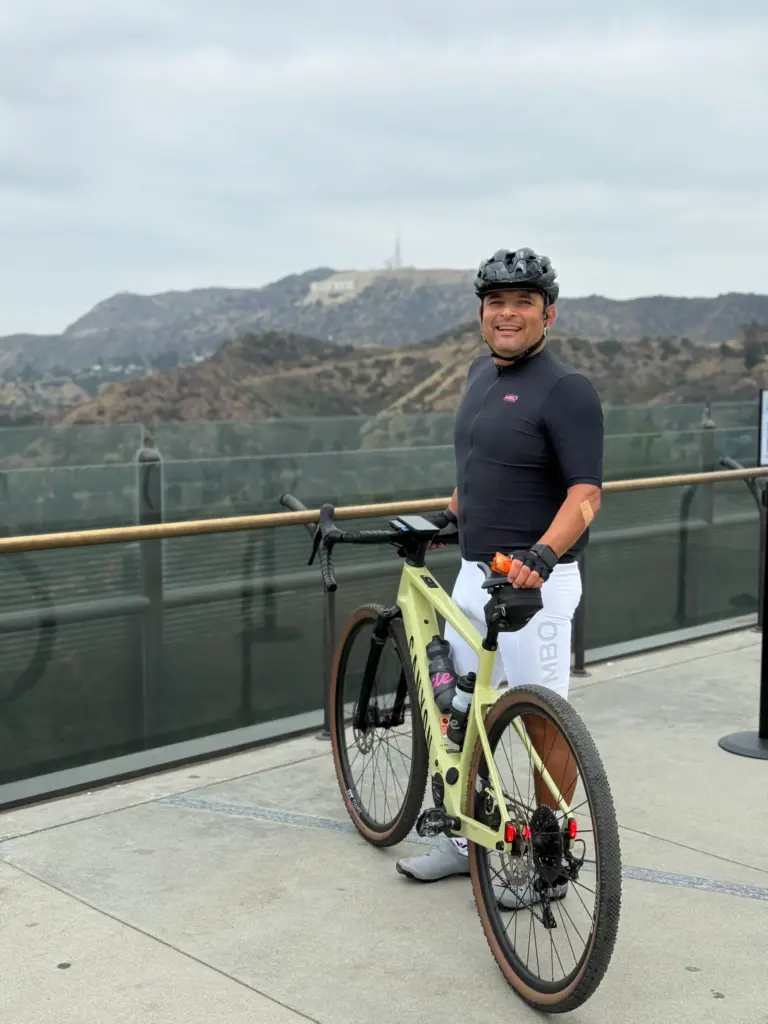 Stroke survivor and Chino Hills resident George Rojas, 55, is seen with his bike. (Courtesy of George Rojas)
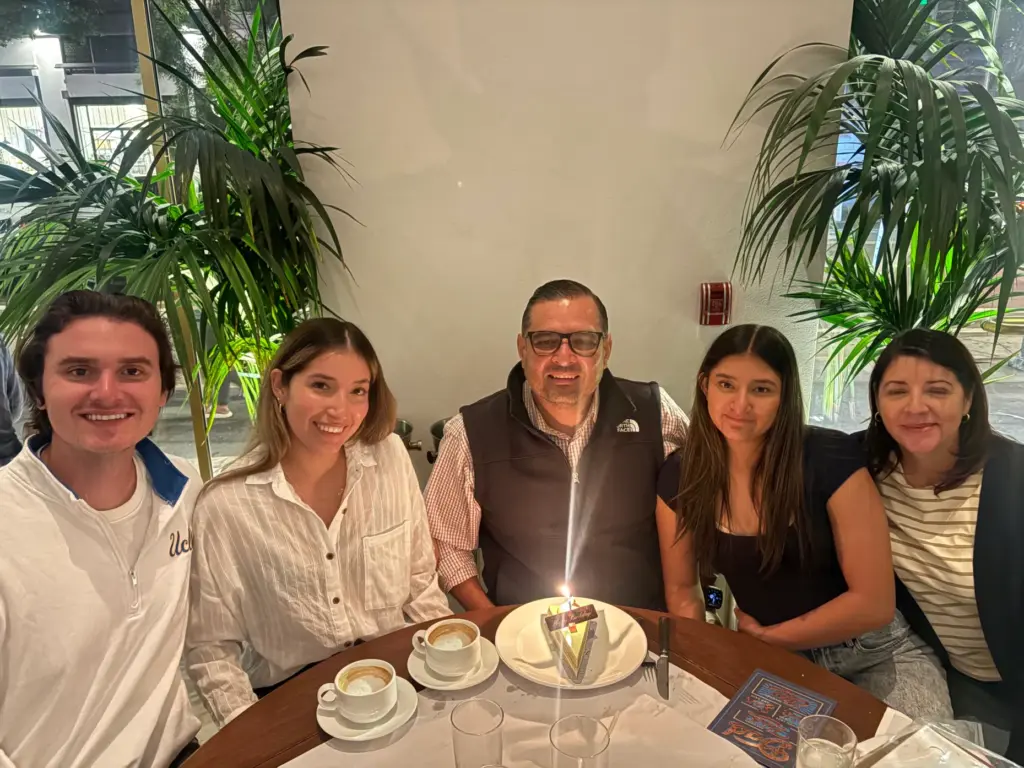 Stroke survivor and Chino Hills resident George Rojas, 55, middle, is seen with family members. (Courtesy of George Rojas)
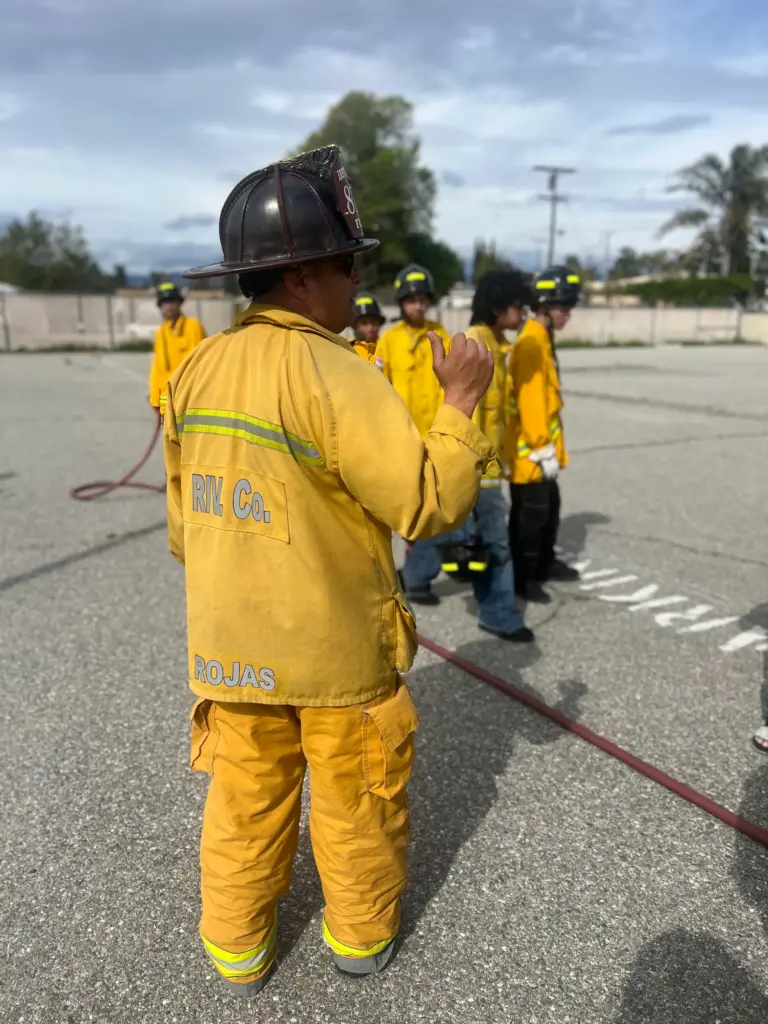 Chino Hills resident George Rojas worked for Cal Fire for more than 25 years. (Courtesy of George Rojas)
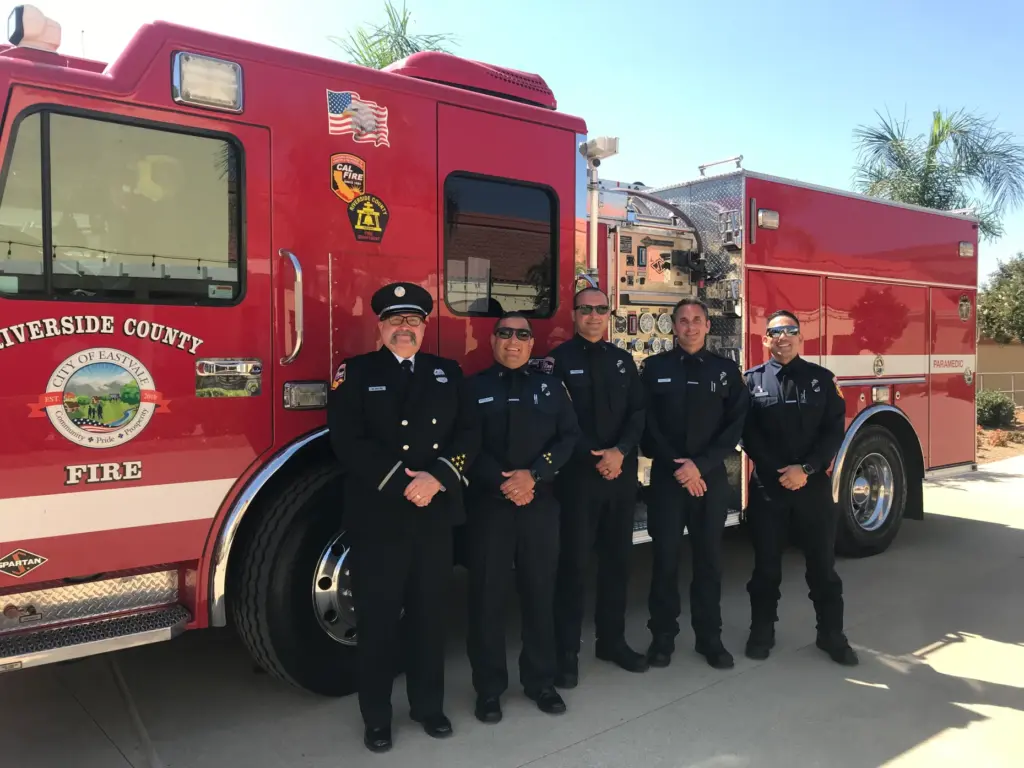 Chino Hills resident George Rojas is seen with other first responders with Cal Fire / Riverside County Fire Department. (Courtesy of George Rojas)
Now, Celeste Rojas is grateful to be home and have her father around, healthy — and still cracking jokes — for Father’s Day, which is Sunday, June 21.
“It makes you take a step back and realize, in the blink of an eye, that so many things can change, and you just feel grateful,” Celeste Rojas said.
Her younger sister, 16-year-old Sarah Rojas, called herself “daddy’s girl.”
It was “scary,” she recalled, “seeing Dad like that (after the stroke) … but I knew he was going to be in good care.”
She’s grateful to still go bike riding, riding to school and eating out with her dad.
As George Rojas prepares to celebrate another Father’s Day, he thanked his family, the first responders and medical staff, who all played a role in his successful recovery.
“I’m just grateful for their actions that day — it was, like, I was on my fire engine and they were the firefighters.”
Read more NASCAR notebook: Jimmie Johnson hopes races stay in Coronado; ticket numbers tell tale