
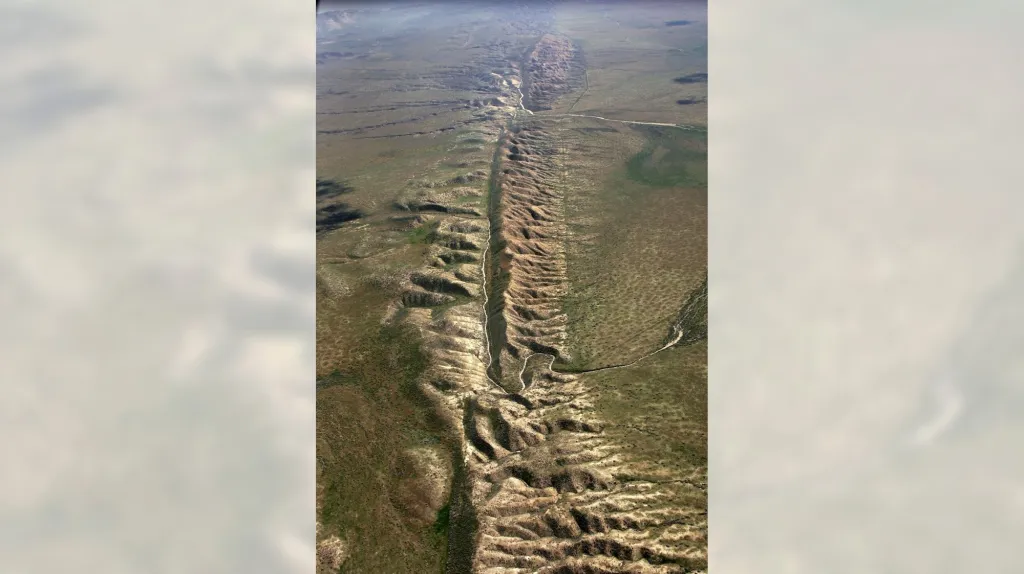
Stress on the San Andreas Fault System has reached a 1,000-year high, according to new research from the University of Hawaii.
Read more New-home sales unexpectedly fall, with West down 27%
Higher stress on a fault means the pressure that causes earthquakes is building.
But there’s no reason to be significantly more concerned than you were before hearing about the study, said Kate Scharer, a co-author of the study and a seismologist with the U.S. Geological Survey in Pasadena.
While the stress has reached a milestone, the pressure was already high and the fault has been overdue for a large earthquake for some time, according to the study.
It has been over 100 years since a major tectonic rupture has affected the greater Los Angeles area, which means stress on the tectonic plates has been building, according to the study.
The 1857 Fort Tejon earthquake was the most recent “big one” to affect Southern California, while the San Jacinto Fault saw moderate earthquakes in 1918, 1968 and 1987, according to the study. A long period without seismic activity “raised concern that the next slip event in this region could be both large and complex,” the study says.
As more time passes, an earthquake becomes more likely because built-up energy needs to be released.
“We know for the southern San Andreas and the San Jacinto fault that were just a little bit over the average [time between earthquakes] from looking at the geologic record,” Scharer said.
Those two faults are at highest risk for an earthquake because they are the fastest moving, she said.
The study looked at a geologic record of earthquake activity across the past 1,000 years, giving a new perspective on the total stress the San Andreas and San Jacinto fault systems are under. Tectonic plates are always moving and accumulating stress, save for those few seconds where an earthquake is happening. When an earthquake releases built-up stress from hundreds to thousands of years of an interseismic period, energy is felt in the form of an earthquake, Scharer said.
Read more Man rescued after falling into vault toilet at California campground
Earthquake forecast models from the U.S. Geological Survey are “a reminder that damaging earthquakes are inevitable for California,” and the new study highlights just how much stress the fault systems are under as Californians prepare for the “big one,” according to the USGS.
The study’s importance is with the calculations of stress the researchers did.
After a geologic record, which looks at prehistoric earthquakes and is assembled by digging trenches across faults and looking at layers that have been offset in the past, is created, the researchers were able to determine that the stress on the San Andreas fault is at a 1,000-year high. The stress level could influence if the Cajon Pass facilitates an earthquake spreading from one fault to another, or if it stops an earthquake from doing so. When the stress levels on both faults are similar, both faults appear to rupture jointly, according to the study.
This record allows seismologists to learn about earthquakes that happened before written records existed, she said.
The study also highlighted the Cajon Pass’ potential to act as an “earthquake gate,” either blocking or allowing an earthquake to pass through both the San Andreas and San Jacinto faults. Multi-fault ruptures, where earthquakes continue from one fault to another, have occurred in multiple recent earthquakes, including the 2011 Tohoku, Japan earthquake and became a part of the U.S. Geological Survey’s earthquake forecasting model in 2015.
This type of quake would be possible if the Cajon Pass allows an earthquake to pass through it, meaning rather than affecting those along one fault line, an earthquake could continue along a second fault and affect a larger area.
The most important thing, Scharer said, is for people to prepare for a future earthquake, such as looking at Earthquake Country Alliance’s seven steps to earthquake safety.
“If you just picked one of those seven steps and did it this weekend, you would be a lot farther along to making yourself more resilient when the earthquake does happen,” she said.
Read more Angels’ Josh Lowe says he was ‘humbled’ by demotion to minors