
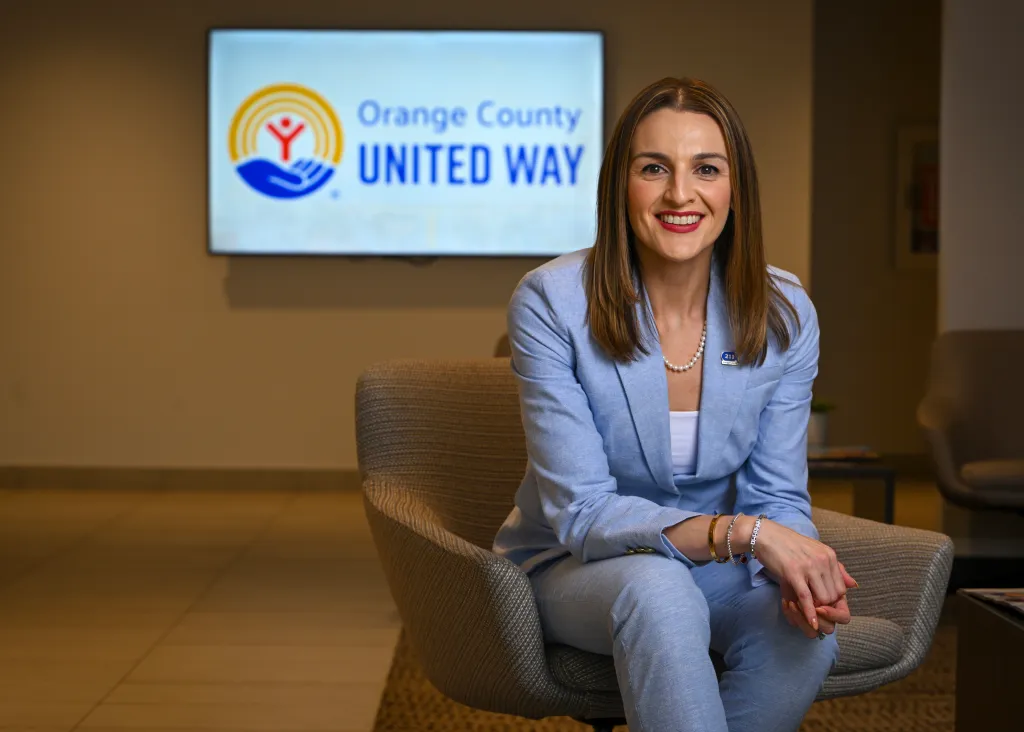
For most of the past three years, people calling Orange County’s 211OC emergency help line, seeking such essentials as food, a temporary bed, help staving off eviction or a ride to a senior center, have been asked some personal questions.
Read more Health advice is all over social media. Here’s how to vet claims
What’s their name? What’s the nature of their crisis? How much money did they make or, depending on their employment status, how much did they once make? The list is lengthy and touches a range of issues: household status and location, demographic details, why do they need these specific services at this time?
Answering isn’t mandatory, and 211OC’s trained operators will connect every caller to one or more of the 146 nonprofits that, as of early May, are linked into the local 211OC system known as GetHelpOC.
But the basic routine should sound familiar to every American consumer buying stuff in the second quarter of the 21st century, a trade of personal information in exchange for more personalized and possibly cheaper goods or services. Supermarkets, airlines, department stores, social media and dozens of other industries have been collecting data for years. Data analytics, an industry that’s projected to generate $1 trillion a year by the early 2030s, is common enough to be the background noise of daily commerce.
And while surveys show we’re well aware that the trade-off is risky, that hackers can hoover up personal data from anybody (NASA, the IRS and MIT University are among the many entities that have been breached several times in recent years), our collective inability to say no is so powerful that the marketing industry has a term for it, the “privacy paradox.”
We say we hate forking over our info, but we do it anyway.
But the key difference between most of that and all of what happens at 211OC, which is owned by Orange County United Way, is simple: This database is nonprofit. As such, it’s part of a broader trend in which big data is being used in a world where money is a tool, not a goal.
Instead of boosting a company’s bottom line, the 211OC database is aimed at reducing hunger and other needs countywide, possibly by identifying communitywide patterns that might not be missed by people or agencies working with individuals. Or, because it works with individual callers over time, it can help people see their own patterns and use that knowledge to escape a personal cycle of economic hardship.
Or, short of any of that, it can simply make hard times a little easier and more dignified.
“Probably the biggest benefit, for the caller, is that they don’t have to repeat their story to us every time they call,” said Elizabeth Andrade, the executive director of 211OC. “We can just pick up where we left off.
“Sometimes, having to navigate these systems, for a person in crisis, can be a full-time job,” she added. “If we can make that process easier, and truly offer them assistance, we can build trust and help more people.”
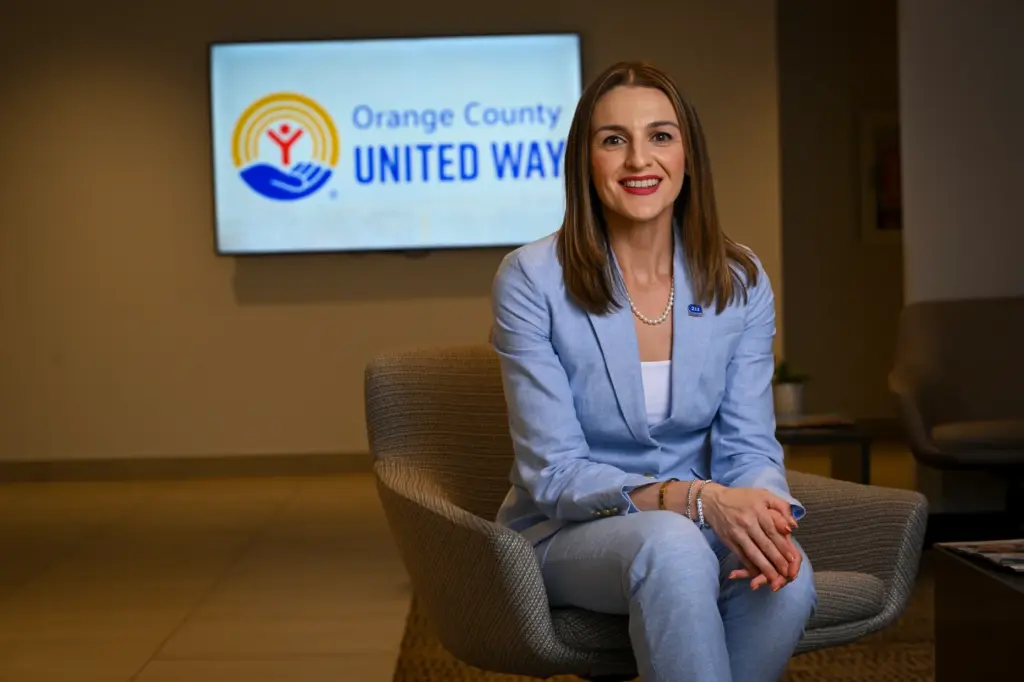 Elizabeth Andrade, executive director of 2-1-1 OC, at Orange County United Way headquarters in Irvine, CA, on Friday, May 15, 2026.In the three years that Orange County United Way has been running the county’s social safety net emergency information provider, 211 OC, the nonprofit has been collecting information volunteered by the needy people who phone in for help – who they are, the nature of their crisis and what services they eventually use. The goal is to make it easier for people to get help, and to ID problems in the community before they become full blown emergencies. (Photo by Jeff Gritchen, Orange County Register/SCNG)
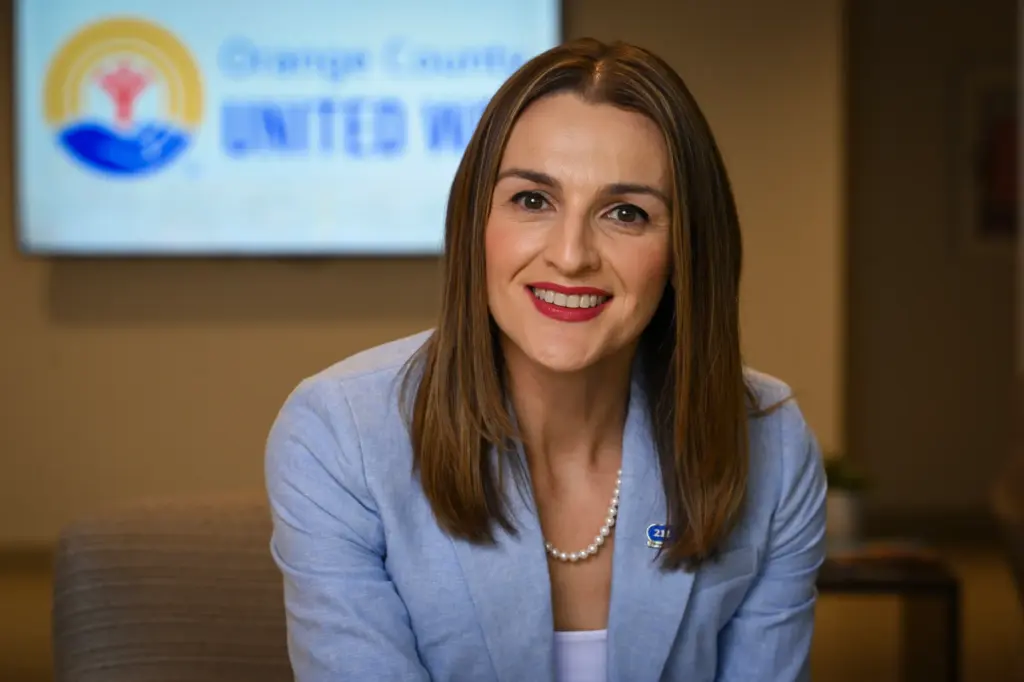 Elizabeth Andrade, executive director of 2-1-1 OC, at Orange County United Way headquarters in Irvine, CA, on Friday, May 15, 2026.In the three years that Orange County United Way has been running the county’s social safety net emergency information provider, 211 OC, the nonprofit has been collecting information volunteered by the needy people who phone in for help – who they are, the nature of their crisis and what services they eventually use. The goal is to make it easier for people to get help, and to ID problems in the community before they become full blown emergencies. (Photo by Jeff Gritchen, Orange County Register/SCNG)
 Elizabeth Andrade, executive director of 2-1-1 OC, at Orange County United Way headquarters in Irvine, CA, on Friday, May 15, 2026.In the three years that Orange County United Way has been running the county’s social safety net emergency information provider, 211 OC, the nonprofit has been collecting information volunteered by the needy people who phone in for help – who they are, the nature of their crisis and what services they eventually use. The goal is to make it easier for people to get help, and to ID problems in the community before they become full blown emergencies. (Photo by Jeff Gritchen, Orange County Register/SCNG)
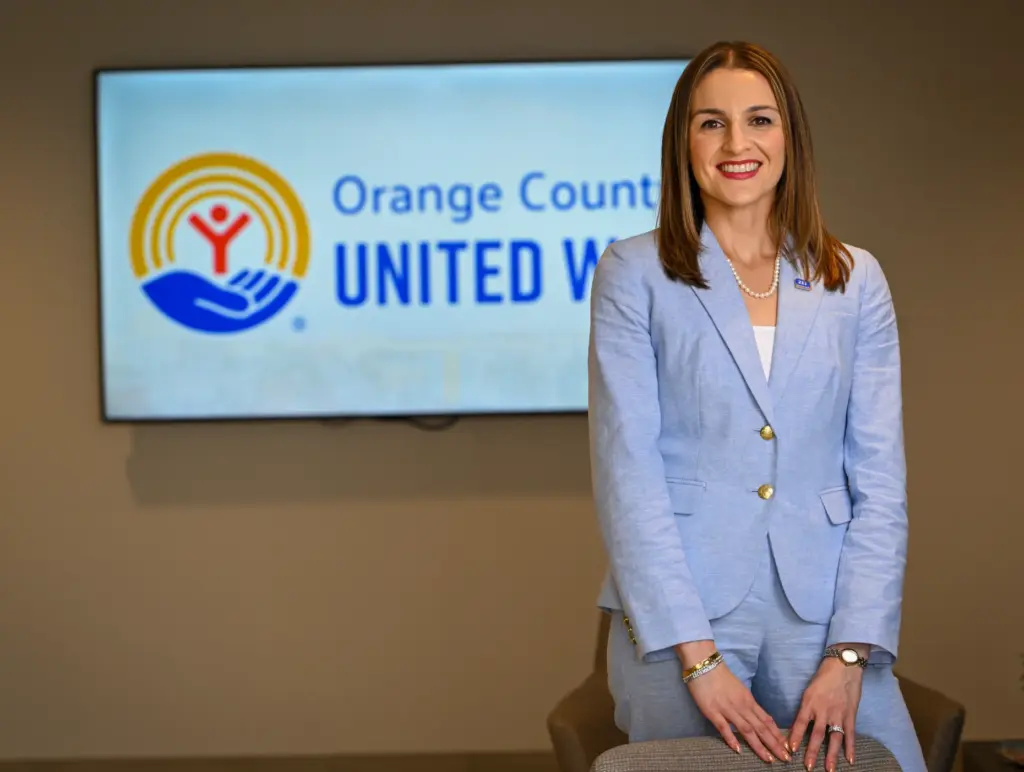 Elizabeth Andrade, executive director of 2-1-1 OC, at Orange County United Way headquarters in Irvine, CA, on Friday, May 15, 2026.In the three years that Orange County United Way has been running the county’s social safety net emergency information provider, 211 OC, the nonprofit has been collecting information volunteered by the needy people who phone in for help – who they are, the nature of their crisis and what services they eventually use. The goal is to make it easier for people to get help, and to ID problems in the community before they become full blown emergencies. (Photo by Jeff Gritchen, Orange County Register/SCNG)
 Elizabeth Andrade, executive director of 2-1-1 OC, at Orange County United Way headquarters in Irvine, CA, on Friday, May 15, 2026.In the three years that Orange County United Way has been running the county’s social safety net emergency information provider, 211 OC, the nonprofit has been collecting information volunteered by the needy people who phone in for help – who they are, the nature of their crisis and what services they eventually use. The goal is to make it easier for people to get help, and to ID problems in the community before they become full blown emergencies. (Photo by Jeff Gritchen, Orange County Register/SCNG)
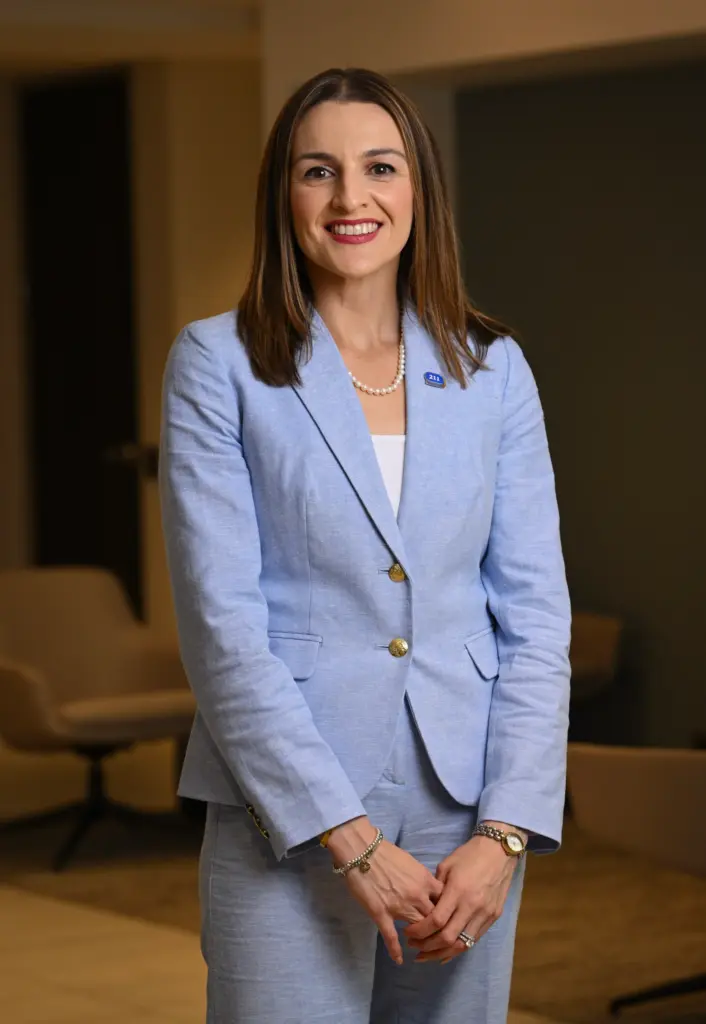 Elizabeth Andrade, executive director of 2-1-1 OC, at Orange County United Way headquarters in Irvine, CA, on Friday, May 15, 2026.In the three years that Orange County United Way has been running the county’s social safety net emergency information provider, 211 OC, the nonprofit has been collecting information volunteered by the needy people who phone in for help – who they are, the nature of their crisis and what services they eventually use. The goal is to make it easier for people to get help, and to ID problems in the community before they become full blown emergencies. (Photo by Jeff Gritchen, Orange County Register/SCNG)
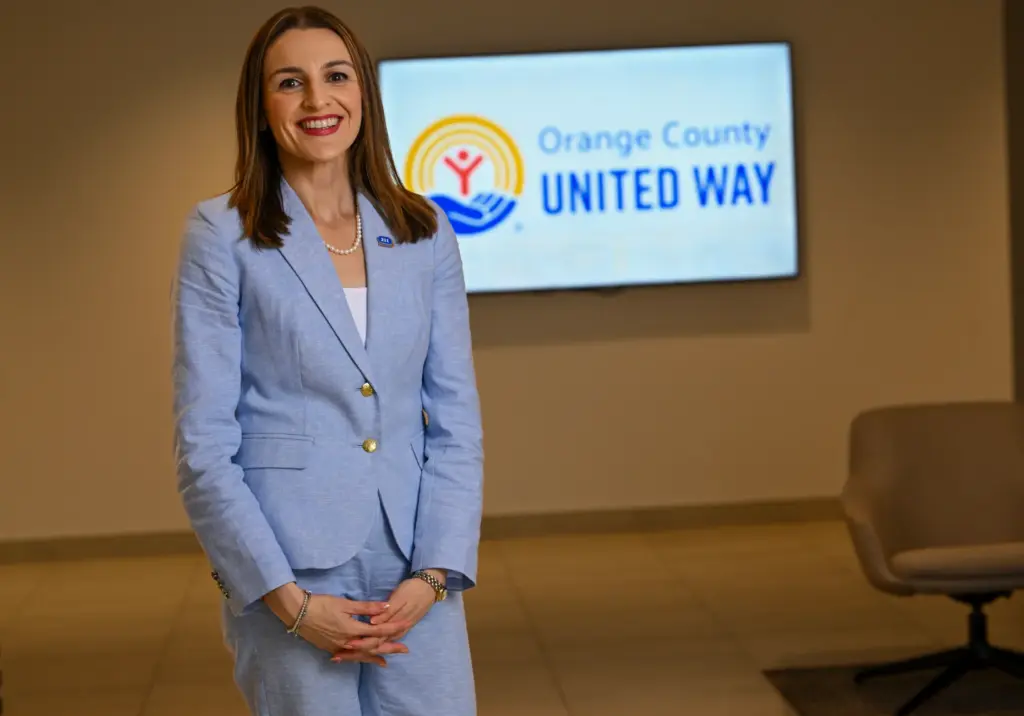 Elizabeth Andrade, executive director of 2-1-1 OC, at Orange County United Way headquarters in Irvine, CA, on Friday, May 15, 2026.In the three years that Orange County United Way has been running the county’s social safety net emergency information provider, 211 OC, the nonprofit has been collecting information volunteered by the needy people who phone in for help – who they are, the nature of their crisis and what services they eventually use. The goal is to make it easier for people to get help, and to ID problems in the community before they become full blown emergencies. (Photo by Jeff Gritchen, Orange County Register/SCNG)
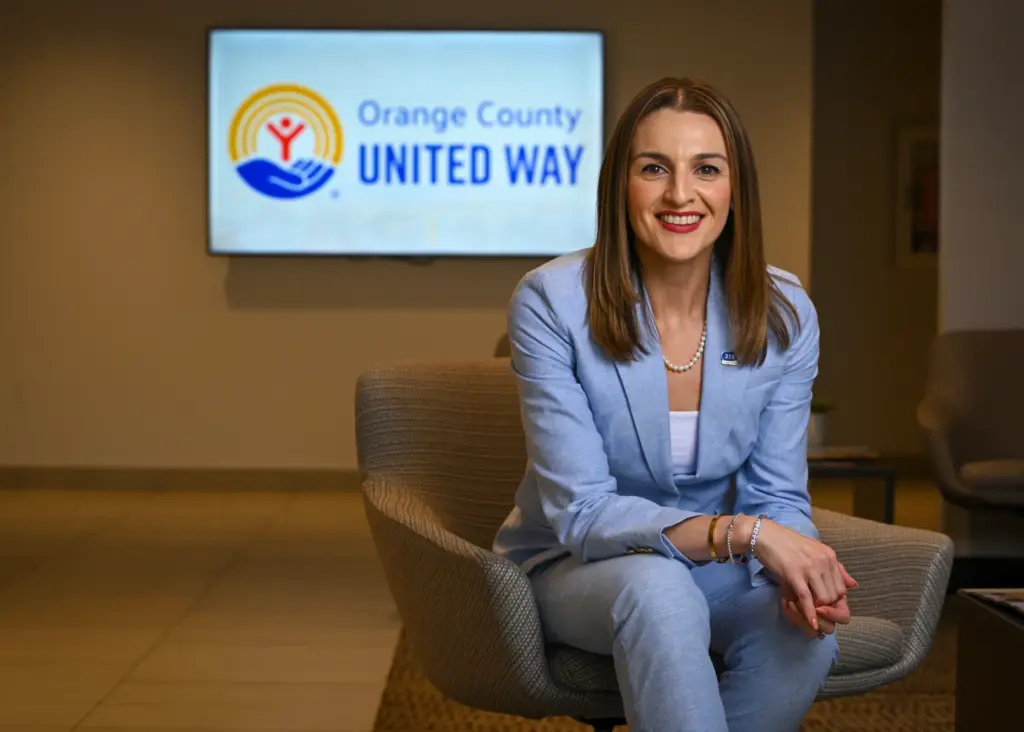 Elizabeth Andrade, executive director of 2-1-1 OC, at Orange County United Way headquarters in Irvine, CA, on Friday, May 15, 2026.In the three years that Orange County United Way has been running the county’s social safety net emergency information provider, 211 OC, the nonprofit has been collecting information volunteered by the needy people who phone in for help – who they are, the nature of their crisis and what services they eventually use. The goal is to make it easier for people to get help, and to ID problems in the community before they become full blown emergencies. (Photo by Jeff Gritchen, Orange County Register/SCNG)
The database has been built during a time when 211OC is, generally, emphasizing efficiency.
Last fall, when the federal government temporarily stopped funding food assistance for the poor, and tens of thousands of people in the county were forced to seek food from pantries, the 211OC system directed people in real time to places that had food to give and away from the pantries that had nothing left. That helped feed people during the crisis.
Over the long term, Andrade also said average wait times for 211OC callers have fallen from 11 to two minutes. And case managers now work with callers to make sure they follow through on the services they seek or, if that doesn’t happen, why.
Also, the nonprofits that link up with 211OC are tracked to see that they’re meeting their goals. What’s more, those nonprofits collect data on outcomes and other status changes, feeding their information back into the database.
Given all of that – and that 211OC receives about 500,000 inquiries a year, and that roughly 70% of the people making those contacts agree to answer questions – the local database about various types of economic crisis is big and growing quickly.
“It transforms the system of care,” Andrade said. “It’s powerful.”
Fork in the road?
But it’s powerful in a lot of ways, only some of which are intended.
For example, while the nonprofit sector isn’t about making money, nonprofits aren’t allergic to it; they need money to keep breathing. And, lately, it’s been a lot easier for a nonprofit to get money if it already has some. Last year, donations to big organizations jumped by about 11.7%, while donations to smaller nonprofits fell by 6.4%, according to a study by the data company Blackbaud.
That survival pattern — the big get bigger and the small get smaller or go away — could be exacerbated, locally, as the 211OC database grows.
Read more L.A. County Fair 2026: Playful art exhibit was curated in a mad rush
Though 146 local nonprofits are hooked up to 211OC, Andrade said the goal is to have 200 connected to the system by the end of the year. It costs about $5,000 a year for a nonprofit to set up the technology and allocate the manpower to maintain it, a number that’s not high, even by the standards of most local nonprofits.
But a bigger hurdle might be culture. There are more than 1,100 nonprofits in the county, and many started as small, community-focused organizations with little interest in such terms as “return on investment” or the nonprofit’s term for profit and loss, “statement of activities.”
Over time, being in or out of the 211OC system could become a dividing line in the local nonprofit world, with bigger, connected organizations having lots of independent data about what they do (or don’t do), and others lacking it.
And, it turns out, donors like data.
“One of the most important shifts we are seeing is that nonprofits are increasingly able to use real-time community data to better demonstrate need, outcomes, and impact,” Andrade wrote in an email. “Historically, organizations often relied on anecdotal information or delayed reporting. With coordinated data systems like GetHelpOC, nonprofits can better understand trends happening in real time, identify unmet needs geographically or demographically, and demonstrate measurable outcomes to funders and partners.”
Having that information, she added, “creates stronger alignment between community needs and funding decisions, helping (donors) direct investments to where they can have the greatest impact.”
And, beyond money, being in the system probably will help nonprofits meet their bigger goal: helping more people.
“Everyone knows about 211. So it gets a lot of calls,” said Mario Ortega, chief executive of Abrazar, a Westminster-based nonprofit that provides a range of services, from food and after-school homework programs to transportation, translation assistance and tax filing, among others.
Last month, Ortega said his group got about 15 referrals through GetHelpOC.
“That system is the next phase of what we’re all doing,” Ortega said. “The more nonprofits that are included means there are more resources. It makes the community have more resources at its fingertips.”
Risk
The 211OC database is unique, but the idea that drives 211OC —being an information source for people needing safety net-type services — is not.
For example, Orange County’s Health Care Agency runs OC Navigator, a 4-year-old program that includes dozens of nonprofits and government agencies that provide a range of services. And at least two private operators — FindHelp.org and UniteUs.org — are older nonprofits that provide a similar service, allowing users to connect with service providers by plugging in their ZIP codes.
But those groups don’t necessarily provide follow-up (also known as “closed loop”) services, meaning they don’t track individual cases to completion. And they aren’t necessarily separate from government funding.
That, according to people connected to 211OC’s database, is key.
In the past year, federal agencies, such as the U.S. Department of Agriculture, have started to press state and county governments to provide information about the people using social services, such as Cal-Fresh (the state’s name for the federally funded Supplemental Nutrition Assistance Program).
The federal agencies argue they need the information to prevent fraud. Others argue the information might be used as a way to ramp up immigration enforcement or to punish Democratic-leaning communities. California is one of several states and the District of Columbia that are to block the inquiry into users of federal assistance.
That tension — maybe as much as the risk of hackers — isn’t lost on nonprofits and even callers using the 211OC database. Andrade and others connected to 211OC said the agency received fewer calls during periods when U.S. Immigration and Customs Enforcement operations were publicly rising in Southern California, a sign that at least some locals were fearful their data could be swept up and used to change their lives.
But, like a firewall that might at least slow down hackers, the 211OC database carries protection from such demands: It doesn’t use government money.
“The question of risk, about this information being used in ways we don’t want, has come up,” said Ortega, whose agency works closely with the Latino community. “But because they’re a private nonprofit, and because the platform has been built on private donations, there isn’t going to be a situation in which you can force somebody to give them the name of people asking for, say, immigration attorneys or whatever. From what’s been shared with us, that’s not something we need to worry about.”
Read more Top Workplaces 2026: Orange County program seeks best company culture