
By Todd Woody | Bloomberg
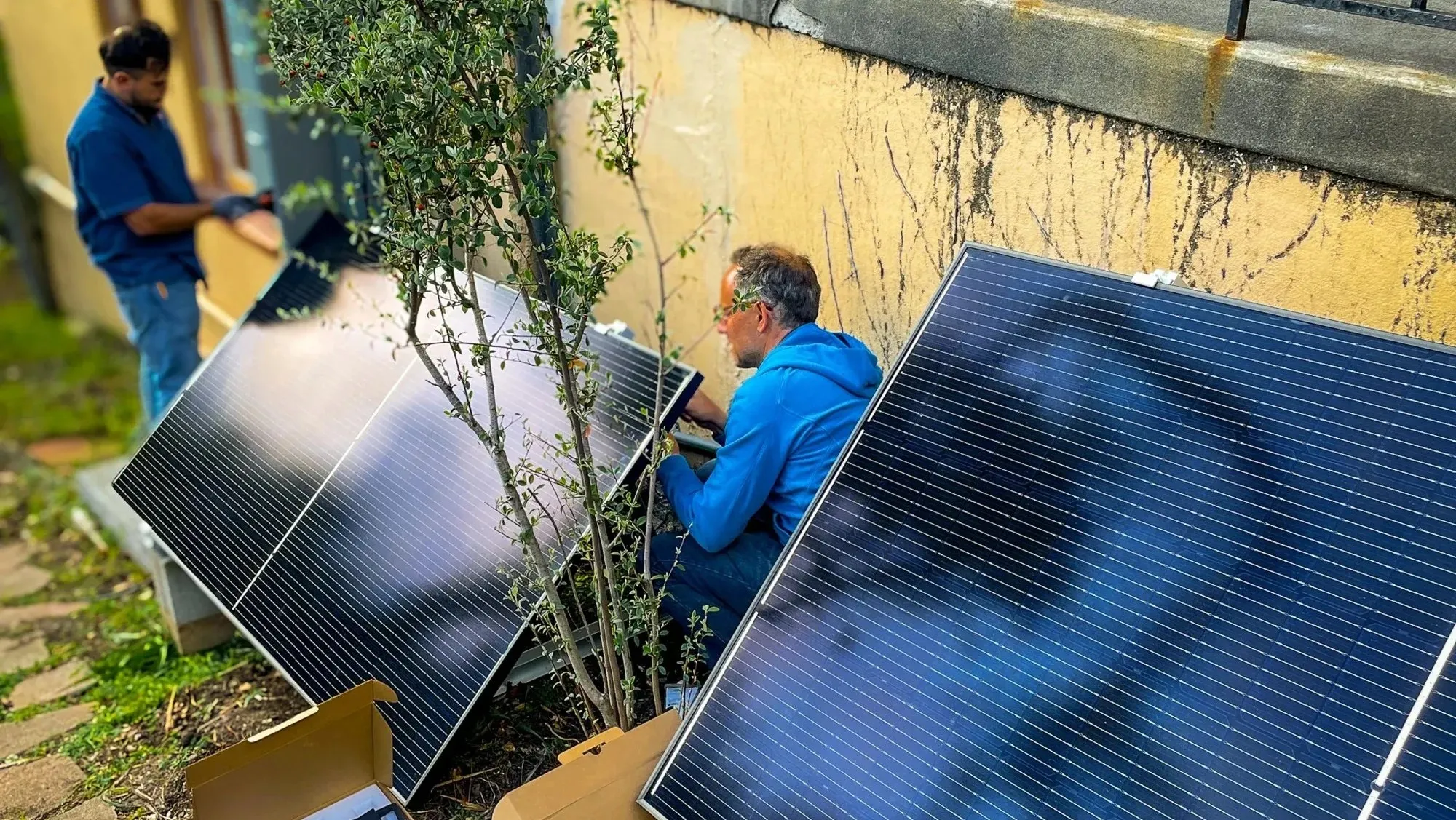
California is the latest US state and the largest market to move toward a law allowing residents to install small plug-in solar systems on apartment balconies and in backyards to offset soaring electricity costs.
Read more California lawmakers oppose insurance fire claims limits
A bipartisan bill approved unanimously by the state Assembly on Tuesday now goes to the state Senate, which earlier passed the bill 35-1, for a final procedural vote. It then would be sent to Governor Gavin Newsom, who has until Sept. 30 to sign it into law. Newsom hasn’t taken a position on the legislation and his office declined to comment. If he does enact the bill, California will become the ninth state to legalize plug-in solar since 2025.
Aside from New York and New Jersey, where plug-in solar bills that passed earlier this year await governor signatures, nearly two dozen other states are considering such legislation.
Also called balcony solar, such systems usually comprise two to four solar panels that are plugged into wall outlets. They typically cost between $300 and $2,000 or more and generate enough electricity to power a refrigerator, electronics and lights, potentially shaving several hundred dollars a year from utility bills. Some plug-in solar systems come with batteries to store power for use during peak demand when electricity rates spike or when storms or heat waves knock out the grid.
“We just see so much demand for plug-in solar in California that we expect this legislation to be one of the most important things to get the market kickstarted with manufacturers,” said Kevin Chou, cofounder and executive director of Bright Saver, a Bay Area nonprofit that sells do-it-yourself plug-in solar systems and has pushed to legalize the technology.
Like laws in other states, the California bill lets residents install plug-in solar systems without obtaining their utility’s approval and paying expensive fees. But those systems can’t generate more than 1.2 kilowatts or feed power back to the grid. They also must be certified by a nationally recognized testing lab and California residents must notify their utility when they install a plug-in solar system.
The bill was amended, though, this month to give Californians only until Jan. 1, 2030, to install plug-in solar without utility permission. That appeared to be a concession to Pacific Gas & Electric Co., the state’s largest utility, which opposed the legislation over its concerns about plug-in solar’s potential impact on the electrical system.
Read more Methadone clinics beat back deregulation with ‘Program, Not a Pill’
PG&E said in a statement that it supports plug-in solar but opposed the law despite the 2030 expiration. “We believe customers deserve the protections that come from clear safety standards and established interconnection processes from the outset,” the utility said.
Chou said he expects lawmakers will eventually remove the 2030 provision. “If we can get a critical mass of people in California that are saving a lot of money with plug-in solar, there’s going to be a lot of political will to keep this going,” he said.
Even before the law, Californians have been surreptitiously installing plug-in solar systems and the Golden State already is the largest market for provider Craftstrom, according to Stephan Scherer, chief executive officer of the Texas-based company. “We do see increased sales in other states but the dominant state will always be California with regards to adoption of solar power,” he said.
While utilities can’t stand in the way of residents plugging in solar panels, California landlords could bar the devices if they’re concerned about solar panels potentially falling off balconies or changing the look of their buildings. Homeowners associations likewise may balk at solar panels popping up in backyards.
The New Jersey bill prohibits landlords and homeowners associations from banning plug-in solar systems while Colorado and Virginia laws give tenants the right to install plug-in solar panels.
“Tenants’ rights are another battle that we’ll certainly tackle in the future in California,” said Chou.
Read more Barnes & Noble opens sprawling store at South Coast Plaza
More stories like this are available on bloomberg.com
©2026 Bloomberg L.P.