
Chino Valley schools had a legal setback Tuesday, Sept. 15, when a judge declined to lift an order blocking its controversial parent notification policy.
Read more Adam Silver says Clippers’ case is closed, time to move on
San Bernardino County Superior Court Judge Michael Sachs denied the Chino Valley Unified School District’s to dissolve the order, known as an injunction, effectively ending a long legal battle between the state and the district over the original policy that foes alleged was a way to “out” transgender students to their parents.
The ruling states that parents can be notified by the schools of any changes only if they inquire about, or object to not being told about, any changes to their records involving their child.
“It’s a disappointing ruling, we obviously believe that parents should be told in every instance,” said attorney Emily Rae, the president of the California Justice Center who argued the district’s case. “As a general rule, parents have the right to know … the burden should not be on the parents.”
A representative from Attorney General Rob Bonta’s office, which sued to block the policy, said the office was “pleased” with the court’s decision. In an email Tuesday, they said the state remains “committed to fostering safe, inclusive school environments for all students while respecting the crucial role parents play in students’ lives.”
The Chino Valley notification policy, first passed by the district’s majority-conservative board in 2023, would have required schools to notify parents within days if a student requested to change their name or pronouns, requested access to facilities, restrooms or sports programs that did not align with the gender on their birth certificates, or asked to change school records.
Chino Valley was the first district in the state to pass such a policy.
Later in 2023, Sachs granted a preliminary injunction sought by Bonta’s office. He ruled that two parts of the policy — the provisions forcing the outing of transgender students to their parents — were discriminatory and unlawful. And the part about school records, Sachs ruled, is “neutral-facing” because it affects all students, not just those seeking gender-affirming accommodations.
Following Bonta’s lawsuit to stop the policy from going into effect and the judge’s order, Chino Valley Unified broadened its policy to remove portions that mention gender, instead stating that school would notify parents if their child requests any changes to their records. That policy is still in effect.
Sachs permanently blocked the original policy in 2024.
In March of this year, the U.S. Supreme Court cleared the way for California schools to tell parents if their children identify as transgender without the students’ approval in the Mirabelli v. Bonta case. Following that decision, attorneys with the California Justice Center and Murrieta-based Advocates for Faith & Freedom filed a in August on behalf of Chino Valley Unified, asking a judge to dissolve the order blocking the district’s original 2023 parental notification policy, according to a news release from the California Policy Center, which called Tuesday’s ruling “convoluted.”
Other Southern California school districts followed Chino Valley’s lead with attempting to pass their own parental notification policies, including theOrange, Temecula Valley, Murrieta Valley and Redlands school districts. Temecula’s school board later passed another parent notification policy that sends an automated message to parents if their child changes their records.
Rae, the school district’s attorney, said Chino Valley is still “assessing next steps” after the written ruling is released, and has not yet made a decision on whether it will appeal Tuesday’s ruling.
“This fight is far from over,” she said in the news release. “The U.S. Supreme Court made clear in Mirabelli that California schools cannot keep secrets from parents… Chino Valley remains committed to defending parents’ constitutional rights.”
Read more 16th Street Baptist Church marks bombing anniversary with a new visitor center
Christine Parker, an attorney with the ACLU of Southern California, said in an emailed statement that the judge “got it right.”
“Blanket policies like Chino Valley USD’s, in which school employees must — in all circumstances — disclose a student’s gender identity to their parents, remain unlawful in California,” Parker said.
The ruling keeps the “Mirabelli v. Bonta decision, which allows to districts to disclose information to parents only if their students” report any abuse concerns, when they have requested a name or pronoun change at school, and where the parent has already directly requested this type of disclosure, Parker added.
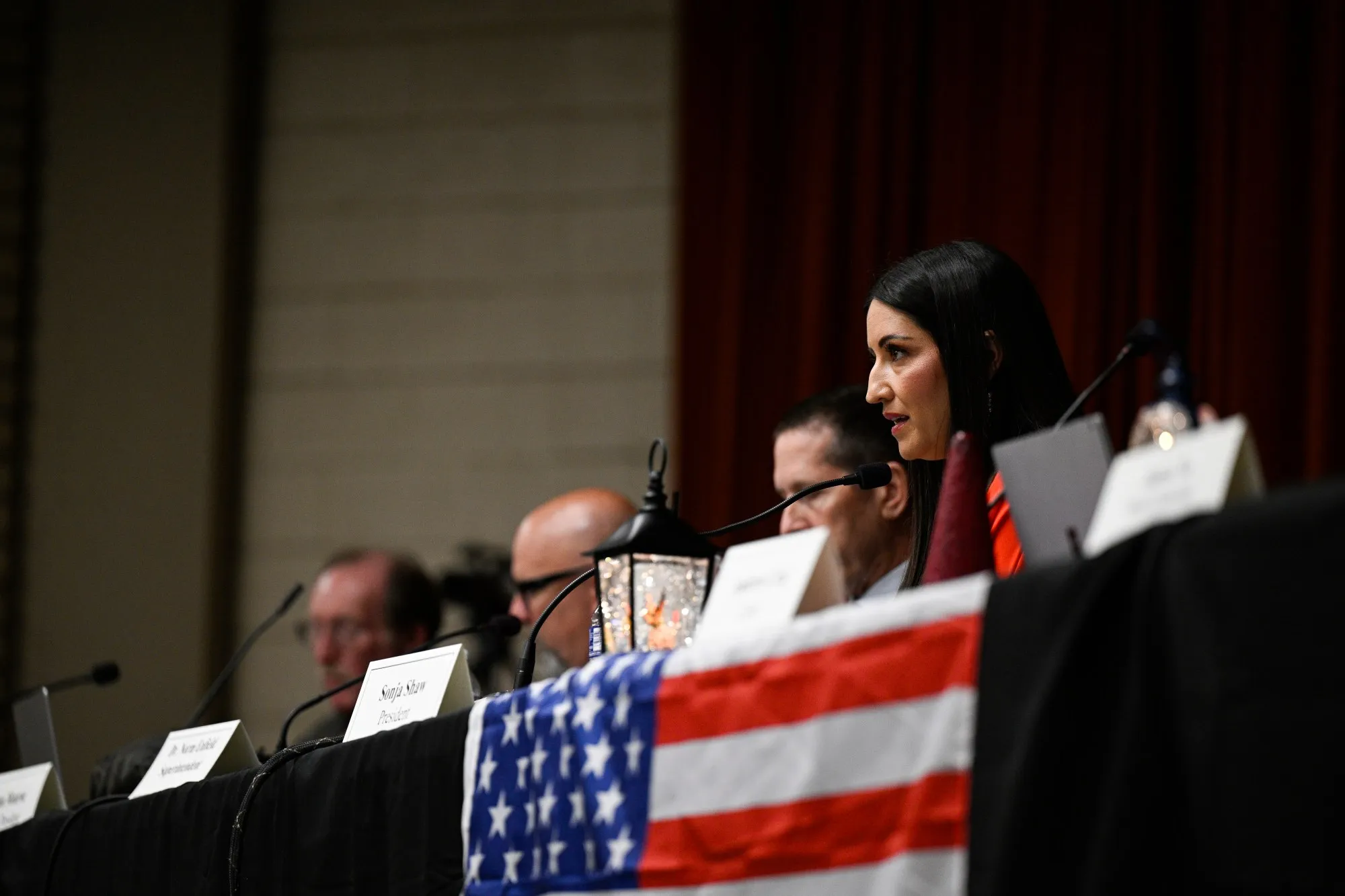
Sonja Shaw, president of the Chino Valley school board who is running for state superintendent of public instruction, said she was “disappointed — but not surprised” by Tuesday’s ruling.
She called California courts “kangaroo courts,” and accused Gov. Gavin Newsom and state Superintendent Tony Thurmond, who will be termed out of office in fall, of using parents’ taxpayer dollars to argue these cases.
“If a parent asks, then they have the right to know … It’s mind-blowing that we have to fight this,” she said, promising that, if elected, she would not stop fighting “for parents’ rights” over their children.
Shaw also said that she and the school district will make sure there’s an option for parents to be notified, even after she leaves her position as school board president following her race for state schools chief. Shaw recommended the district appeal.
“This is why I got into this,” she said, citing Chino Valley’s lawsuit over AB 1955, the 2024 law that prohibits California schools from adopting transgender notification policies.
She was thankful for the district’s conservative board majority and its policy that still allows for parental notification — which she added “contradicts” what the judge is saying.
“Parents have a right to know and be notified of name changes, any changes,” she said. “I do think that the constitutional right of the parent should be the one that takes precedent… It’s sad that we have to work around this.”
Read more Trump and the court: If he wins, he’s happy. When he loses, he ridicules justices he appointed