
Southern Californians could encounter unusual fish, sea snakes and other marine animals in the coming months as a strengthening El Niño warms coastal waters and alters ocean conditions, according to Natural History Museum of Los Angeles County scientists.
Read more Ducks’ newly paid young players ready to level up
Some forecast models predict the developing El Niño could be the largest in the roughly 150-year observational record, according to the museum. Warmer waters and changing currents can bring tropical and subtropical species well north of their typical ranges.
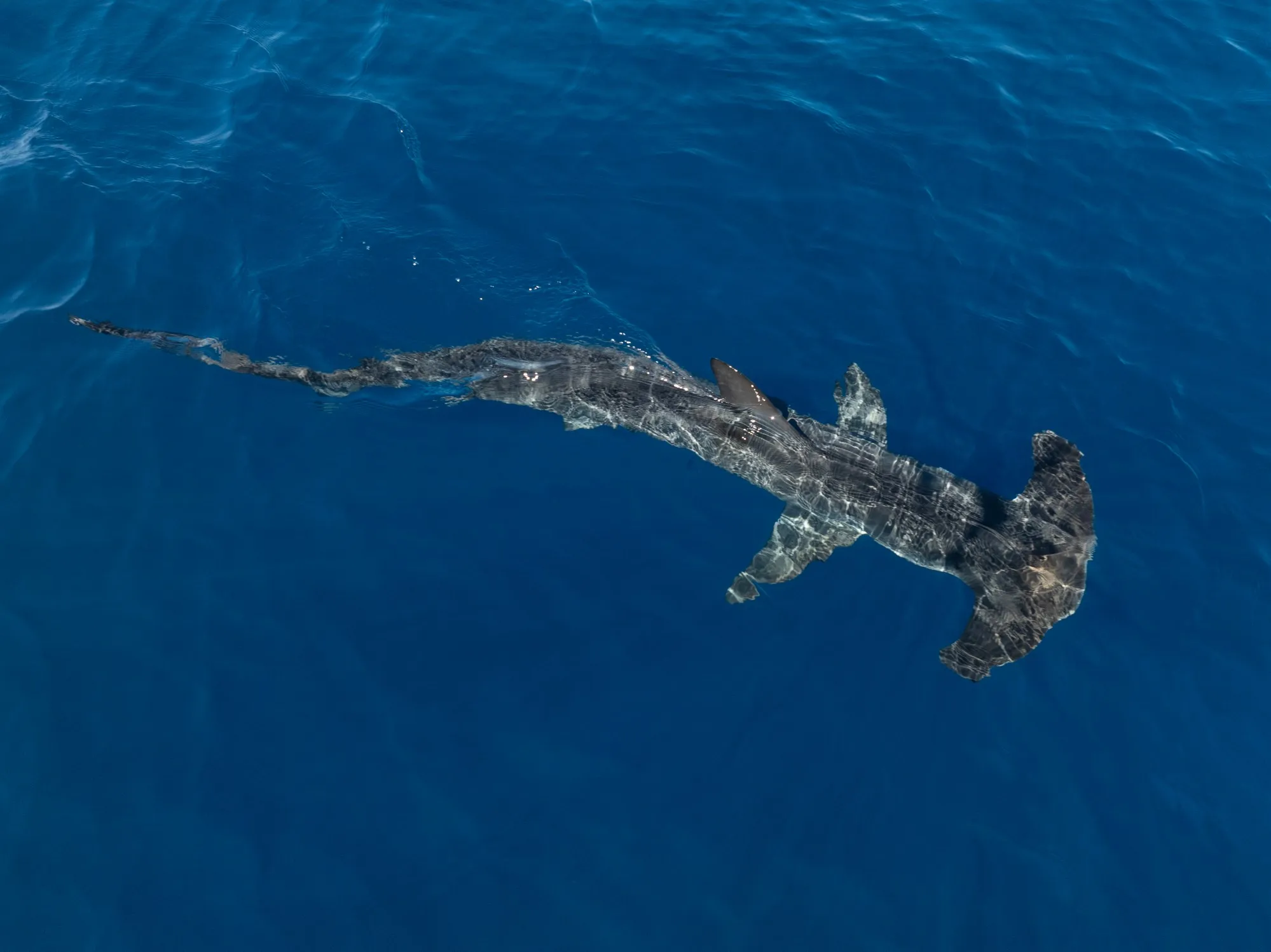
Scientists said unusual marine visitors are already being spotted in Southern California, including hammerhead sharks off Los Angeles, Orange and Ventura counties, a whale shark off Malibu and mahi-mahi near the Southern Channel Islands.
One such visitor has already entered the museum’s collection — a longfinned bigeye caught off the Venice Fishing Pier by local fisherman Julius Cardines.
“This is a wide-ranging species that is typically found from Baja California to Peru in the eastern Pacific,” NHM Ichthyology Curator Bill Ludt said, “but this isn’t the only uncommon species we’re likely to see as we get warmer waters along our coast.”
Previous ocean-warming events have brought tropical reef fish such as damselfishes, pufferfishes and angelfishes north from Mexico, according to museum scientists.
Researchers are also watching for yellow-bellied sea snakes, which normally range no farther north than the tip of the Baja Peninsula. Only six have ever been collected in California, five of them during El Niño years, according to the museum.
“The first sea snake ever documented in California was found washed ashore on Thanksgiving morning during the 1972-73 El Niño,” NHM Herpetology Curator Greg Pauly said. “Three more were stranded during the very strong 2015-16 El Niño, and two more have shown up since then.”
Pauly said the snakes could already be off the Southern California coast and are most likely to wash ashore between October and January as waters cool and the animals become lethargic.
Museum scientists said El Niño can also pose problems for seals and sea lions. Warmer conditions can reduce the upwelling of cold, nutrient-rich water that supports plankton and fish populations on which marine mammals depend.
Read more A judge rejects Pamela Smart’s latest bid for a new trial in 1990 accomplice to murder case
El Niño conditions can also coincide with harmful algal blooms that produce domoic acid, a toxin that can cause seizures or heart problems in seals and sea lions, according to the museum.
The weather pattern occurs when weakened Pacific trade winds allow warm water to shift eastward toward the coasts of Peru and Ecuador, altering storm tracks and weather patterns around the world.
“If you see any sick or stranded marine mammal, the best thing to do is keep your distance and reach out to the authorities, like any of our partners from the marine mammal stranding network,” NHM Marine Mammals Curator Jorge Velez-Juarbe said.
People who encounter unusual fish or reptiles on beaches are being asked to photograph them and send the images and their contact information to [email protected].
Anyone who encounters a sick or dead seal or sea lion should keep their distance and contact the NOAA West Coast Region Stranding Hotline at 1-866-767-6114.
Scientists said documenting animals that move north during El Niño events could help researchers better understand how marine species may respond as ocean temperatures change over the longer term.
“Documenting the rare tropical and subtropical species that come northward during El Niño events gives us some clues as to which species may eventually become SoCal regulars as our oceans continue to warm,” Pauly said. “By examining the health of recovered specimens, we can also learn about the stresses placed on animals during these El Niño events.”
Southern California and the central part of the state are expected to have an increased likelihood of above-average precipitation, with potential effects including inland and urban flooding, damaging surf, coastal flooding and erosion.
“El Niño doesn’t guarantee a wet winter in California,” UCLA climate scientist Daniel Swain said during an August media briefing. “But a very strong, potentially historically strong event, which is our expectation for this year, likely increases the amount of precipitation that California will experience this winter.”
Read more Senators from both parties voice criticism about Pentagon briefing on US defense strategy