
Each time you fill your vehicle’s gas tank it takes a big bite out of your wallet. As you squeeze the pump and watch the price ticker click higher and higher, you wonder if there’s something you can do about it.
Read more Tomb raiding trio stole from cemeteries in at least 9 states, Florida authorities say
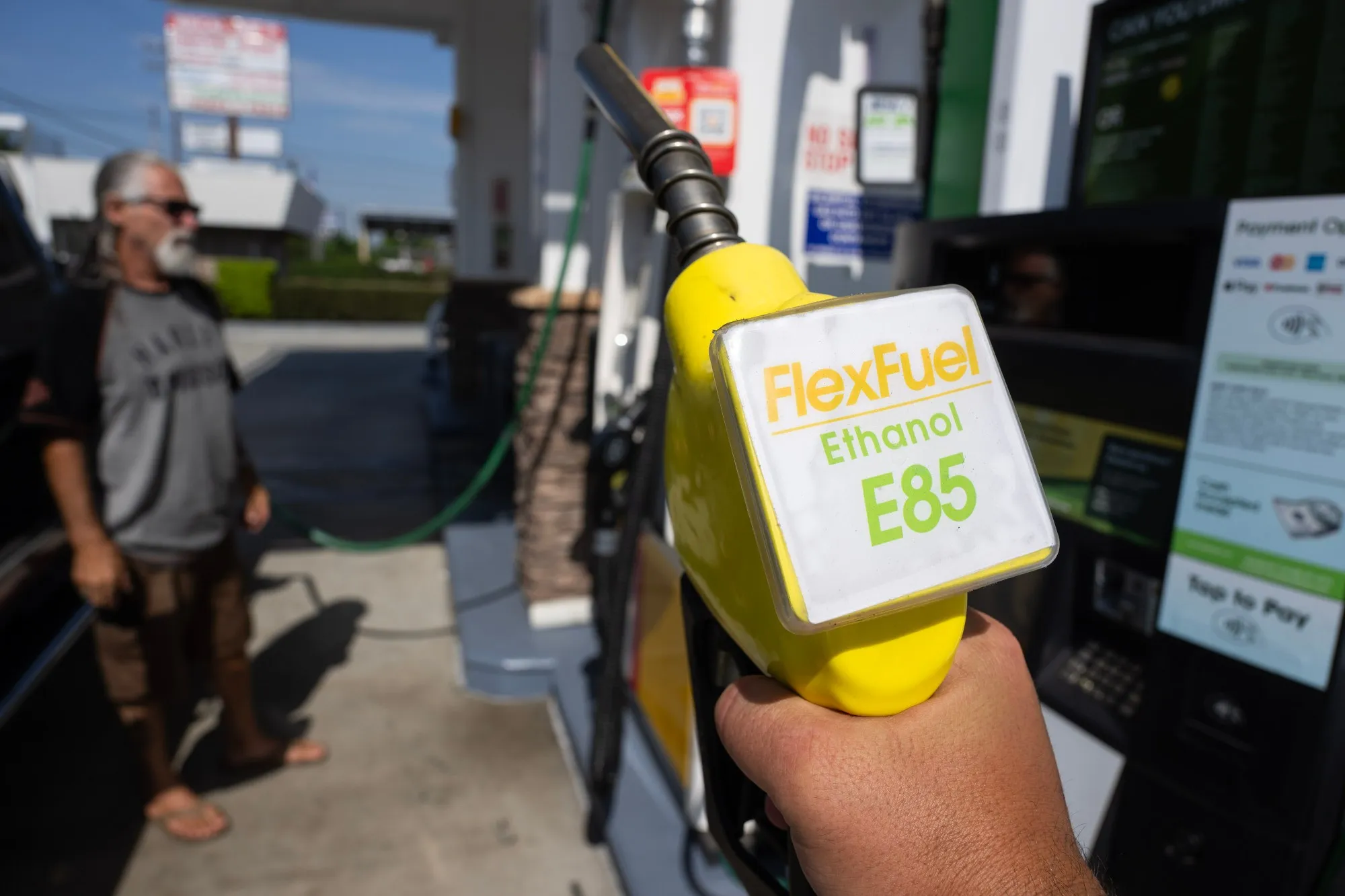
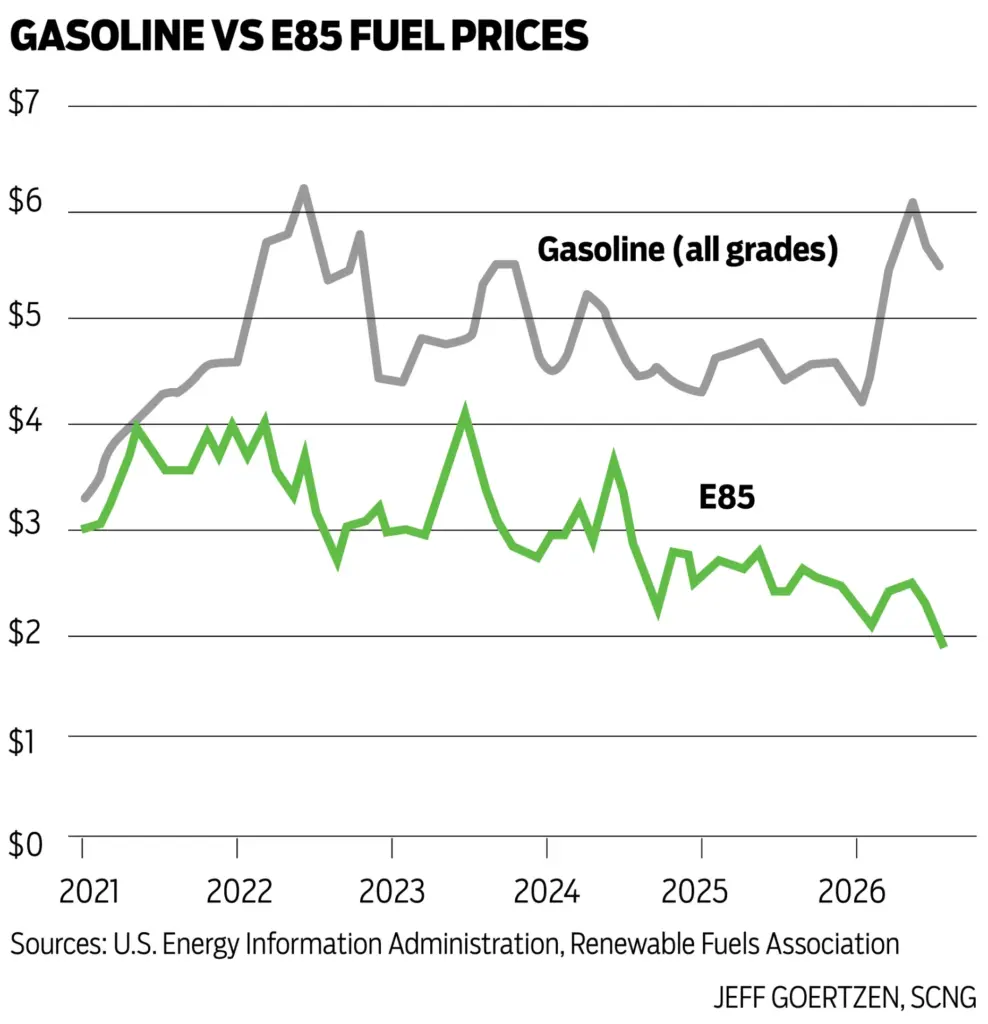
Yes, say the folks at Pearson Fuels in San Diego, distributor of alternative fuels at filling stations. You can fill up with E85, which at around $2.69 a gallon, is about half the price of unleaded gasoline in California.
If that sounds too simple, it is. To fill up with E85, you must own a Flex Fuel Vehicle or FFV. Only a limited number of cars and light-duty pickup trucks are flex-fuel ready and can take E85, which is 85% ethanol, made from corn stock, and 15% gasoline, made from fossil fuels.
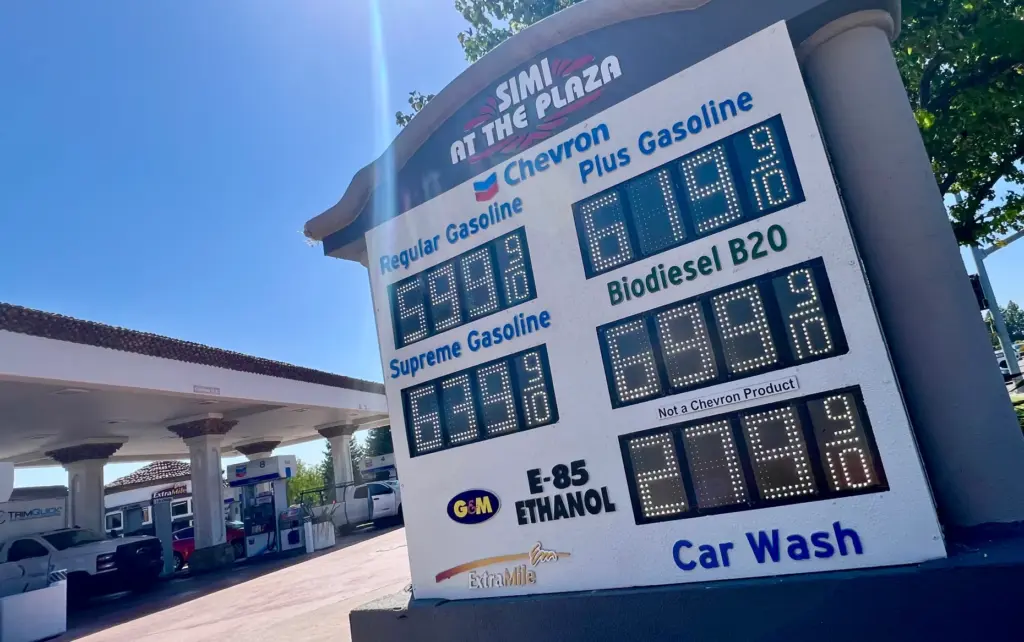 Simi Valley Chevron Station sells Flex Fuel E85 on Cochran St. on Wednesday, August 5, 2026. (Photo by Dean Musgrove, Los Angeles Daily News)
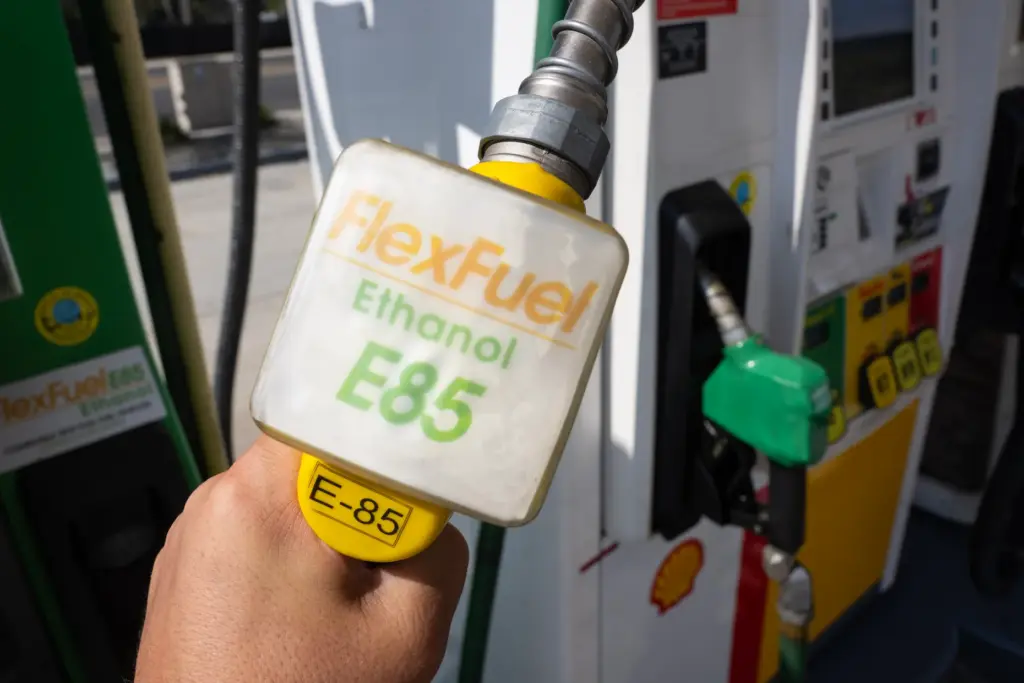 E85, Flex Fuel, available at the Shell Gas station at 6819 E. Carson Street in Lakewood on Thursday, August 6, 2026. (Photo by Drew A. Kelley, Press-Telegram/SCNG)
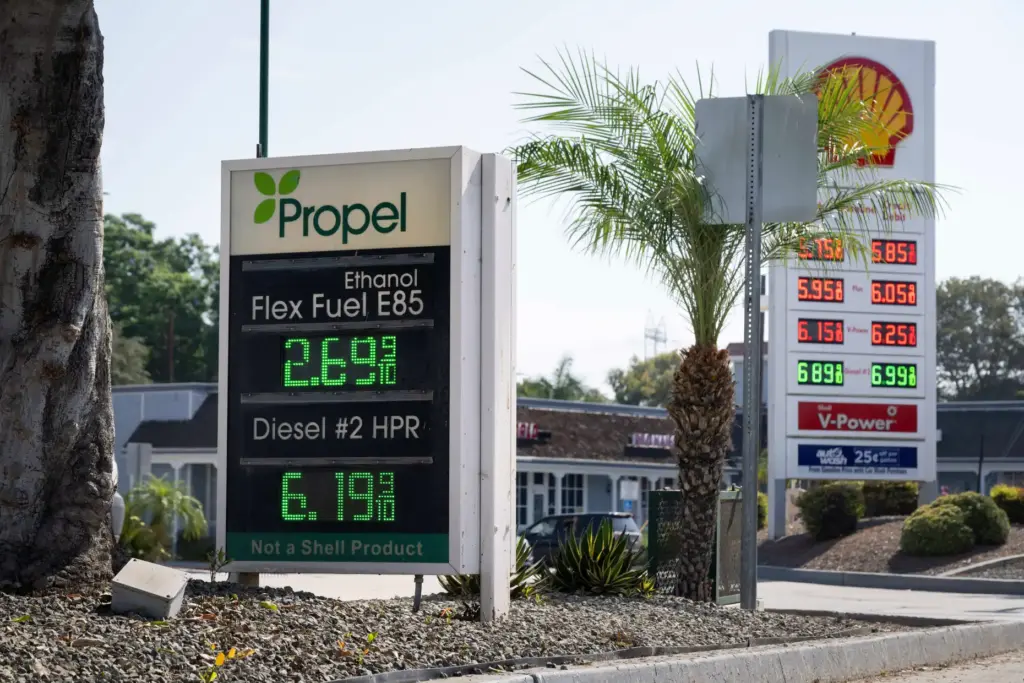 E85, Flex Fuel, available at the Shell Gas station at 6819 E. Carson Street in Lakewood on Thursday, August 6, 2026. (Photo by Drew A. Kelley, Press-Telegram/SCNG)
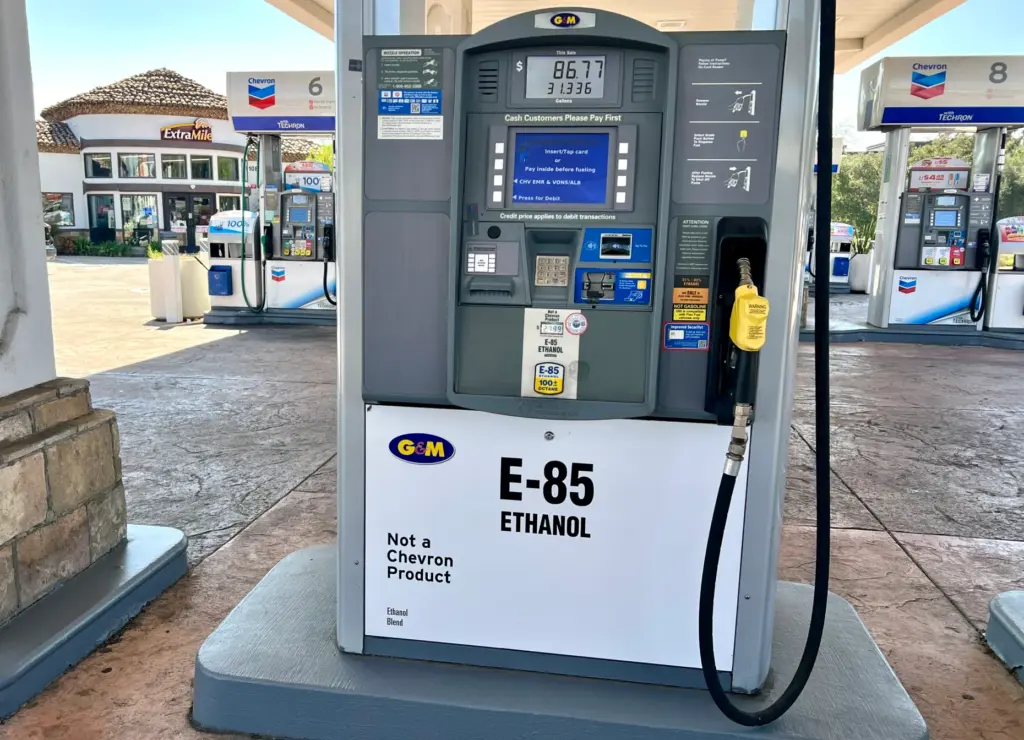 Simi Valley Chevron Station sells Flex Fuel E85 on Cochran St. on Wednesday, August 5, 2026. (Photo by Dean Musgrove, Los Angeles Daily News)
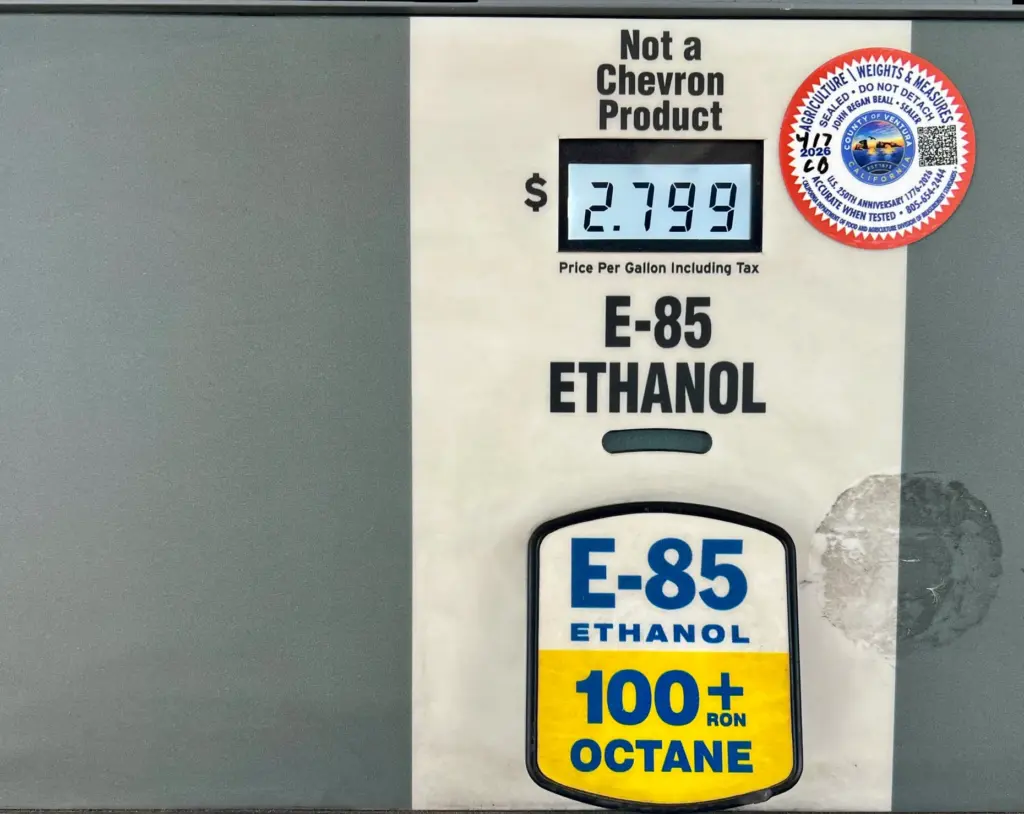 Simi Valley Chevron Station sells Flex Fuel E85 on Cochran St. on Wednesday, August 5, 2026. (Photo by Dean Musgrove, Los Angeles Daily News)
In fact, only about 1.3 million vehicles on the road in California are flex-fuel vehicles, out of a total of about 30.8 million registered in the state, according to the Department of Motor Vehicles.
Not very many.
That hasn’t stopped Pearson from expanding the presence of E85 at gas stations. The yellow signs marked by “E-85 Ethanol” at pumps with yellow nozzles are showing up at more and more gas stations across California.
The largest ethanol fuel company estimates E85 at 650 gas stations in the state, a number growing since 2017. That number will reach about 670 by the end of the year, making 2026 a record year for E85 sites. The company leads the way, along with others, such as Propel Fuels that makes up a much smaller percentage of the market.
“It is all due to expensive gas prices. E85 is a natural competitor to gasoline when gasoline is more expensive,” said Jeff Wilkerson, manager of government policy and regulatory affairs for Pearson.
“E85 is a more tame fuel when it comes to price. It is not impacted by the war in Iran or a refinery outage,” he added, because the source is American corn or plant waste that gets turned into alcohol.
The price of unleaded gasoline has risen from last year, and analysts say that’s because of the U.S. war in Iran and the closure or near-closure of the Strait of Hormuz, greatly limiting oil supplies to the United States and other countries. The lower supply causes a hike in pump prices.
The Automobile Club of America (AAA) reported the average price of gasoline in California on Aug. 13 was $5.58 for regular; $5.82 for mid-grade and $6.00 for premium. A year ago, the average price of regular gas was $4.40, AAA reported.
Pearson, and other E85 supporters, say that their product costs half the price of a gallon of regular gasoline, and that’s being conservative. “E85 is retailing at $2.50 to $3 cheaper,” Wilkerson estimated.
Some like owning flex-fuel vehicles and using E85 because it is a cleaner burning renewable energy source not dependent on foreign oil or geopolitical battles. “People care about the environment. So this is not just for folks who want to save money,” Wilkerson said.
Not many vehicles to choose from
A main problem is that carmakers used to make more flex-fuel vehicles but have moved away from those for more “eco-boost” gas-efficient models.
FFVs are usually bigger, more powerful pickup trucks and SUVs. These include 2026 models of the Chevrolet Silverado with a 5.3 liter V8 engine, and a very similar GMC Sierra. All flex-fuel vehicles can use gasoline or E85.
The two smaller, FFV newer models are: the 2026 Chevy Trax, a mid-size crossover and the similar Buick Envista. “They have both been selling very well in California. I have to believe people are intrigued with using something substantially cheaper,” Wilkerson said.
For people who want to go flex fuel for the savings, buying a V8-powered SUV or truck might be out of their price range. That’s why the Complete Flex Fuel Buyer’s Guide from the E-85 Gas Finder site recommends searching the used, FFV-vehicle market.
Most are 10 years old, including Chevy Suburbans and Tahoes. The Ford Explorer was a FFV model until model year 2024. FFV sedans — no longer made — include the Mercedes-Benz C-Class and E-Class with V6 engines made through 2016, as well as the Buick LaCrosse V6, with the newest model from 2016.
Read more What should happen to remains of Big Bear bald eagle Jackie?
“There are still 2015-2017 (FFV) models that are trucks and Suburbans, and larger SUVs,” Wilkerson said.
Many people don’t know they are driving a flex-fuel vehicle. The carmakers sometimes hide the notification inside the fuel door. “If you don’t know what you are looking for, there’s a good chance you wouldn’t know you are driving a flex-fuel vehicle,” he said.
Legislation on the move
Instead of buying a FFV, aftermarket flex-fuel conversion kits can adapt your regular car into a flex-fuel vehicle.
However, that kind of conversion kit is not available in California, though it is in 49 other states and in many countries.
“I know a company from France that has installed 250,000 of these devices on vehicles,” Wilkerson said.
Assembly Bill 2046 would allow conversion kits to be sold in California and installed on regular vehicles. The bill has bipartisan support and passed the Assembly without a no vote, as well as the Senate appropriations committee. On Aug 3, it was placed on the suspense file. The bill is frozen until the Senate committee votes to move it forward.
“It is not uncommon for bills to go to suspense. We believe it will go forward. It has bipartisan support,” said Assemblymember Rhodesia Ransom, D-Tracy, the bill’s author.
She sees her legislation as a way to help drivers find some relief from high gas prices.
“This is about choices,” she said. “California should not be the only state in the nation where you can’t access this fuel kit. If California is serious about the affordability crisis, we should not get in the way of folks accessing a tool that can help them.”
The cost of a conversion kit ranges from $800 to $1,200, according to the legislative analyst report on the bill.
The California Air Resources Board objects to the bill because it would bypass their authority and make the modified cars subject only to U.S. Environmental Protection Agency approval, observers point out.
Aaron Kurtz, a senior consultant on the Assembly Transportation Committee, cautioned in a statement that handing authority of auto regulations to the EPA sets a bad precedent for the state, which often makes its own rules over auto emissions.
Ransom called that a “manufactured opposition” that “has no bearing on reality.” She pointed out that cars using E85 still must pass the state Smog Check.
Also because ethanol burns cleaner and is 100% octane, it provides more power but reduces fuel economy by between 15% and 20%. So using E85 means fewer miles to the gallon. Wilkerson said that pencils out in California, where the price of gasoline is a lot higher than in other states.
Ransom said she is aware of the drop in miles per gallon with E85.
“This is an option that may not be for everyone,” she said. “But there is no reason for California to block this opportunity.”
She added that moving California drivers away from fossil fuels could bring more economic stability. “I don’t think we will get rid of our dependency on fossil fuels,” she said. “But this will give us more security. Global conflicts hold us hostage to the price of our fuel.”
Read more Hundreds of Southern California non-citizen criminals transferred to feds in sanctuary-busting plan