
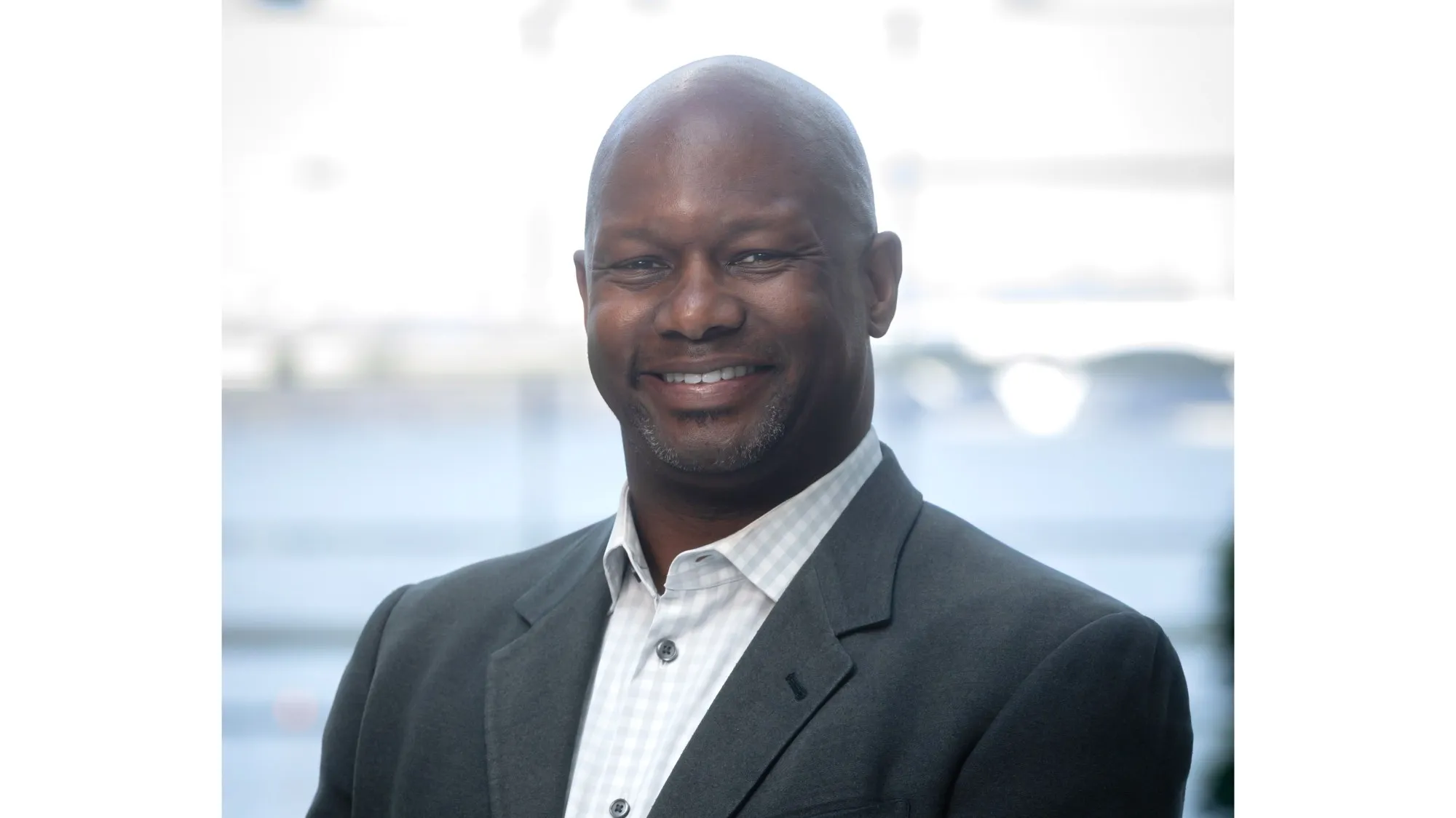
Ahead of the November general election, the Southern California News Group compiled a list of questions to pose to the candidates who wish to represent you. You can find the full questionnaire below.
Name: Stephen Glass
Age: 58
Current job title: Educator – Distinguished Faculty in Residence (CSULB)
Incumbent: Yes
Other political positions held: None
City where you reside: Orange
Campaign website or social media: drglass4ousd.com
What are the top two needs of your school district, and how are you prepared to address them? (Please answer in 200 words or fewer.)
Orange Unified’s two greatest needs are improving outcomes for every student and maintaining the fiscal stability necessary to sustain that work.
First, we must remain relentlessly focused on student achievement. Every student deserves access to rigorous instruction, strong academic programs, safe and supportive schools, career training opportunities, and the resources necessary to thrive. That also means paying close attention to students who are not yet experiencing the outcomes we expect and using data to identify gaps, direct resources where they can have the greatest impact, and hold ourselves accountable for improvement.
Second, we must protect the district’s long-term financial health. Declining enrollment, increasing costs, and competing priorities require disciplined decision-making. As a trustee, I believe every budget decision should begin with a simple question: How does this improve opportunities and outcomes for students?
My experience as an educator, administrator, university professor, and current board president has taught me that lasting improvement requires more than good ideas. It requires stable leadership, collaboration with employees and families, responsible stewardship of public resources, and the willingness to make difficult decisions while keeping students at the center.
To you, what is the role of a school board in education? Is it driving policy, being involved in curriculum, something else entirely? (Please answer in 200 words or fewer.)
The school board’s fundamental responsibility is governance: setting the district’s direction, establishing policy, adopting a responsible budget, holding the superintendent accountable, and ensuring that our schools deliver a high-quality education for every student.
That does not mean the board is removed from curriculum. California law gives local boards important responsibilities for curriculum and instructional materials. But there is a critical difference between responsible oversight and micromanaging classroom instruction. Board decisions should be informed by state standards, research and evidence, student achievement data, and, critically, the professional expertise of teachers and administrators.
I believe effective governance requires asking difficult questions: Are students learning? Where are the gaps? Are our programs working? Are our resources aligned with our priorities? And what does the evidence tell us we should do differently?
Trustees must also listen to parents, students, employees, and the broader community. We should make decisions based on evidence and the educational needs of students—not ideology or political pressure.
Ultimately, the board sets direction, establishes expectations, monitors results, and holds the system accountable for delivering on its promises to students.
How do you feel artificial intelligence is, or isn’t, safe in the classroom? In what instances should it be expanded in the classroom? What about when it should be limited? (Please answer in 200 words or fewer.)
Schools should teach students about artificial intelligence in age-appropriate ways, including its benefits, limitations, and responsible use.
Elementary students should learn about AI without using it directly. Their focus should be on building foundational reading, writing, critical-thinking, and problem-solving skills.
Secondary students can use AI to explore ideas, receive feedback, and support learning. They must also learn to evaluate its responses, recognize bias, and identify inaccuracies. AI should never substitute for students’ own thinking, writing, or demonstration of understanding.
For teachers, AI can help differentiate instruction, improve accessibility, and reduce routine workloads. It should support their professional judgment and relationships with students.
Any use must include clear expectations for transparency, academic integrity, and protection of student privacy and data.
The guiding question should always be: Does this technology deepen learning, or does it allow students to circumvent learning?
How do you believe schools can better teach or engage students in civil discourse? How would you like to see your district tackle this issue? (Please answer in 200 words or fewer.)
Schools should teach students to discuss difficult issues with intellectual honesty, respect, and the ability to evaluate evidence. Civil discourse is not simply politeness. It requires listening carefully, questioning assumptions, distinguishing facts from opinions, and challenging claims without demeaning people.
It also does not mean treating every claim as equally credible or using “civility” to silence students who raise legitimate concerns about injustice. Respect for differing perspectives must coexist with a clear commitment to accuracy, student dignity, and freedom from harassment and discrimination.
In Orange Unified, I would support structured, developmentally appropriate discussions, debates, and collaborative problem-solving across subjects. Students should practice assessing sources, supporting arguments with evidence, considering competing perspectives, and revising their thinking when the evidence warrants it.
Teachers need professional learning, resources, and administrative support to guide these conversations and ensure every student can participate.
Adults must model these expectations, including at school board meetings. Our responsibility is to prepare students to think independently and participate responsibly in a diverse democracy, not tell them what to think, shield them from uncomfortable facts, or require agreement.
Some school districts around California are recruiting teachers by building subsidized housing. How would you suggest your district could better attract — and retain — educators? (Please answer in 200 words or fewer.)
Attracting great educators is important. Keeping them is just as important.
Housing assistance may be one tool, particularly given Southern California’s high cost of living, but there is no single solution to educator recruitment and retention. Research consistently tells us that compensation, working conditions, strong school leadership, professional support, and opportunities for growth matter.
OUSD must remain competitive in compensation to surrounding districts, while creating schools where talented people want to build careers. That means providing meaningful mentoring for new educators, high-quality professional learning opportunities for teacher leadership and advancement, and working conditions that allow educators to concentrate on teaching and students.
We should also strengthen partnerships with universities and educator-preparation programs to develop a pipeline of well-prepared teachers, particularly in hard-to-staff areas.
Most importantly, we must listen to our employees. As someone who spent more than 27 years working in PK–12 education, I know that educators want their expertise respected and their voices included in decisions that affect their work.
Recruitment gets people through the door. Strong leadership, professional respect, opportunities for growth, competitive compensation, and a healthy organizational culture are what make excellent educators stay.
What experiences and priorities do you bring to this role? What have you learned in prior leadership roles that makes you the person for the job? (Please answer in 200 words or fewer.)
I bring more than three decades of experience in public education, as a teacher, principal, district administrator, university faculty, and now school board trustee and board president.
Those experiences have allowed me to see public education from multiple perspectives: the classroom, the school site, district leadership, educator preparation, and governance. They have also taught me that leadership is not about having all the answers. It is about listening carefully, asking the right questions, bringing people together, examining evidence, and having the courage to make difficult decisions, when necessary.
My priorities remain clear: improving student achievement, closing opportunity gaps, maintaining fiscal stability, supporting and retaining excellent employees, and ensuring that every student learns in a safe, welcoming, high-quality school.
I also believe stability matters. School districts make their greatest progress when boards, employees, families, and communities can work toward a shared direction rather than continually starting over.
I am seeking reelection because there is more work to do. I bring both educational expertise and governing experience to that work and a commitment to keeping students, rather than politics, at the center of our decisions.
If your campaign had a mascot, what would it be and why? (Please answer in 200 words or fewer.)
The scarab. In ancient Egyptian tradition, the scarab symbolizes renewal, transformation, and becoming. I think that is a powerful metaphor for education. Every student is in the process of becoming: discovering their strengths, developing their identity, and imagining possibilities they may not yet see for themselves. Our responsibility as educators, families, and community members is to create the conditions that allow that growth to occur. Education is transformative. At its best, it helps young people discover not simply what they know, but who they can become.
Bonus question: What is the best book you’ve read this year? Explain why you found it compelling.
I would choose “Cultivating Genius” by Gholdy Muhammad because one of my dissertation students is using Muhammad’s work as the conceptual framework for her study. As her dissertation chair, I am committed to engaging deeply with the scholarship that informs her research so I can thoughtfully support her work. Muhammad’s framework challenges educators to consider how schools cultivate students’ identity, skills, intellect, and criticality alongside academic proficiency. Reading it through my commitment to my students also offers an opportunity to reflect, as a school board member, on what we want education to cultivate in young people.