
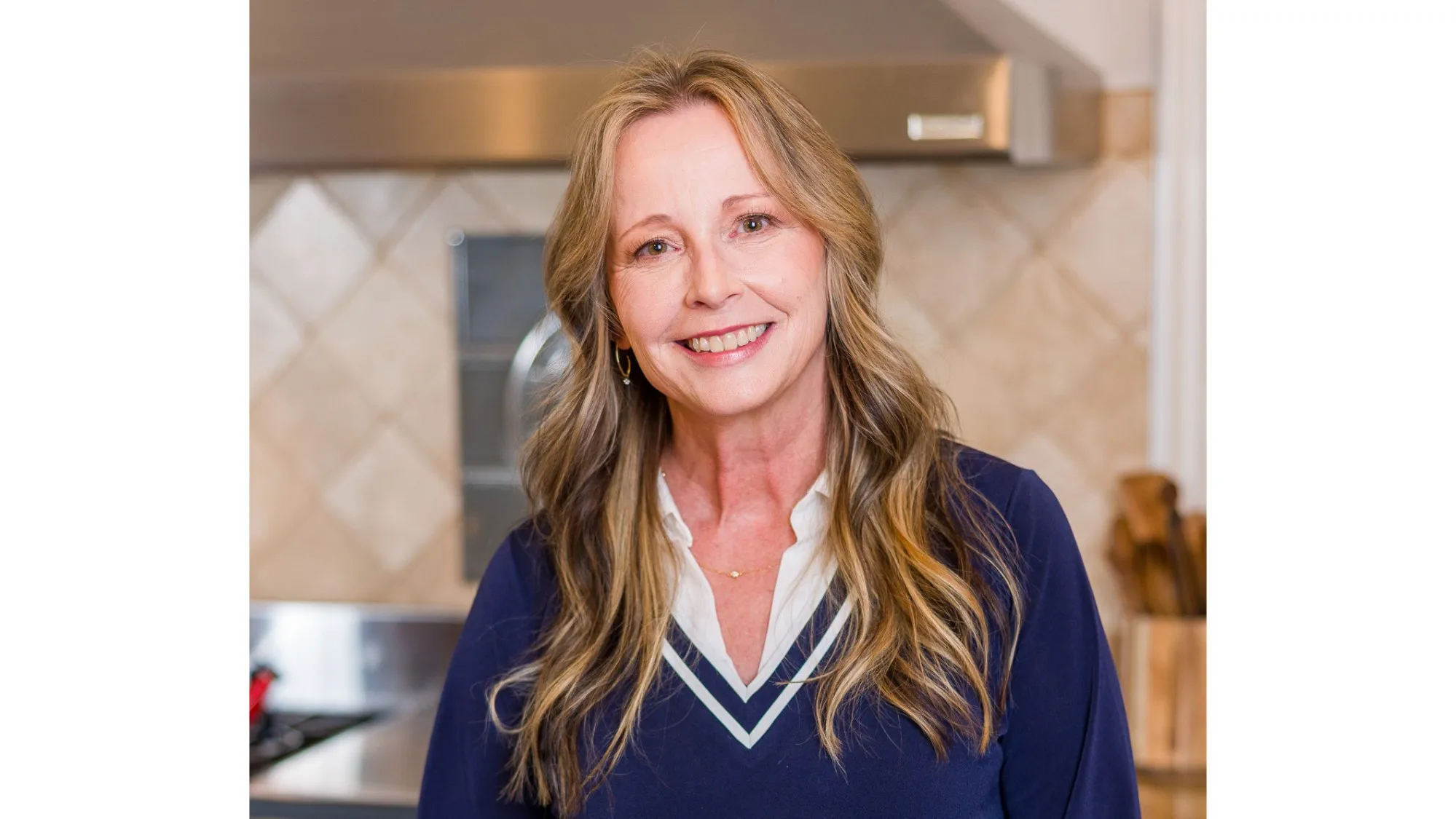
Ahead of the November general election, the Southern California News Group compiled a list of questions to pose to the candidates who wish to represent you. You can find the full questionnaire below.
Name: Barbara “Barb” Buckley
Age: 58
Current job title: Business Owner/Office Manager
Incumbent: No
Other political positions held: None
City where you reside: Yorba Linda
Campaign website or social media: barbbuckley4pylusd.com
What are the top two needs of your school district, and how are you prepared to address them? (Please answer in 200 words or fewer.)
1. Strengthen fiscal responsibility: Work with district leadership to address the budget deficit, carefully evaluate spending, and ensure resources are focused on student needs and classroom priorities.
2. Put teaching and learning first: Support policies that strengthen classroom learning, curriculum quality, student safety, and the recruitment and retention of excellent teachers and administrators.
To you, what is the role of a school board in education? Is it driving policy, being involved in curriculum, something else entirely? (Please answer in 200 words or fewer.)
A strong school board should:
— Set the vision and priorities for the district and keep the focus on student success.
— Hire and hold accountable the superintendent, who is responsible for carrying out the board’s direction.
— Protect the quality of education by setting policies that support strong teaching, learning, student safety, and appropriate academic opportunities.
— Be responsible stewards of taxpayer dollars, ensuring the budget is sustainable, transparent, and aligned with the district’s priorities.
— Listen to and represent the community—students, parents, teachers, staff, and taxpayers—while ultimately making decisions based on what is best for students.
— Advocate for every student, making sure students have access to the resources, support, and opportunities they need to succeed, in a safe and secure learning environment.
— Provide accountability and transparency, asking hard questions and making sure the district follows through on its commitments.
— Think long-term, rather than getting caught up in the day-to-day administration of individual schools.
How do you feel artificial intelligence is, or isn’t, safe in the classroom? In what instances should it be expanded in the classroom? What about when it should be limited? (Please answer in 200 words or fewer.)
I believe artificial intelligence can be a valuable educational tool when used thoughtfully, responsibly, and with appropriate safeguards. AI should support teachers, not replace them, and should enhance learning rather than become a shortcut around learning.
I support expanding AI when it can personalize instruction, provide additional tutoring and practice, assist teachers with instructional materials, and give students the opportunity to develop responsible AI skills they will need in the future. Students should also learn to evaluate AI-generated information, recognize bias and inaccuracies, protect their privacy, and use AI ethically.
At the same time, there must be clear limits. AI should not replace the development of fundamental skills such as reading, writing, critical thinking, problem-solving, and creativity. Students should not use AI to complete assignments without demonstrating their own understanding. Schools also need strong safeguards around student privacy, data collection, inappropriate content, and academic integrity, with age-appropriate expectations.
Ultimately, I support a balanced approach: embrace AI where it makes education better, but limit it when it interferes with learning. Technology should be a tool in the classroom—not a substitute for teachers, human connection, or the skills students need to succeed.
How do you believe schools can better teach or engage students in civil discourse? How would you like to see your district tackle this issue? (Please answer in 200 words or fewer.)
Schools can teach civil discourse by making it a skill students practice, not simply a rule they are told to follow.
— Teach students how to disagree respectfully—challenge ideas, not people.
— Model respectful disagreement in the classroom. Teachers can demonstrate how to listen, ask questions, and respond without dismissing someone.
— Practice real-world scenarios, such as discussing community issues, current events, or historical disagreements.
— Use structured discussions and debates where students must explain their reasoning and support their position with evidence.
— Expose students to multiple perspectives, especially on complex issues, while teaching them to distinguish facts, opinions, and misinformation.
— Teach active listening—including accurately summarizing another person’s argument before responding.
— Teach students how to change their minds. Recognizing that new evidence can change your position is an important part of critical thinking.
— Create a classroom culture where students can speak without fear of ridicule, while making clear that respectful discussion does not mean every statement is acceptable.
The goal shouldn’t be to teach students what to think, but to teach them how to think, how to listen, and how to disagree respectfully.
Some school districts around California are recruiting teachers by building subsidized housing. How would you suggest your district could better attract — and retain — educators? (Please answer in 200 words or fewer.)
A few key areas schools can focus on:
— Competitive compensation and benefits so teachers can afford to live and work in the communities they serve.
— Strong administrative support. Teachers need principals who have their backs, address discipline issues, and allow them to focus on teaching.
— Reduce unnecessary bureaucracy. Give teachers more time to plan, collaborate, and work directly with students instead of overwhelming them with paperwork and administrative tasks.
— Meaningful professional development that is practical, relevant, and responsive to what teachers actually need.
— Mentoring for new teachers, particularly during those critical first few years.
— Safe, orderly classrooms where teachers can teach and students can learn.
— A voice in decision-making. Teachers should be asked what is working, what isn’t, and what they need before policies are developed.
— Recognition and growth opportunities. Experienced teachers should have ways to take on leadership roles without having to leave the classroom.
— A positive school culture where teachers feel valued, respected, and part of a team.
Ultimately, retention isn’t always just about salary. Teachers stay where they feel supported, respected, safe, and able to do the job they were trained to do.
What experiences and priorities do you bring to this role? What have you learned in prior leadership roles that makes you the person for the job? (Please answer in 200 words or fewer.)
I believe my experience uniquely prepares me to serve on the PYLUSD School Board. I have been involved in our schools from the inside—serving four years on the Yorba Linda High School School Site Council, multiple PTA/PTSA boards and committees, the WASC Accreditation and Safety Committees, and working directly with administrators and staff. I helped establish and implement the Mustang Business Academy and founded the Parent Education program at YLHS.
I also bring significant financial and governance experience. I have served as treasurer for multiple organizations, including Placentia Yorba Meals on Wheels, and continue serving on the board of Homeless Intervention Services of Orange County. I have also managed nonprofit budgets, filings, and compliance.
For nearly 30 years, my husband and I have owned and operated a multi-million-dollar insurance adjusting firm. I oversee contract negotiations, human resources, employee benefits, and accounting.
I have learned that effective leadership requires listening, doing the homework, asking difficult questions, understanding the facts, and making responsible decisions.
I would bring that experience, along with a deep commitment to our students, families, educators, and community, to the board.
If your campaign had a mascot, what would it be and why? (Please answer in 200 words or fewer.)
My mascot would be a lion.
A lion represents courage, strength, protection, leadership, and advocacy—qualities that I believe are important in a school board trustee.
I am not afraid to ask difficult questions, do the homework, dig into complicated issues, or speak up when I believe something is not right. At the same time, I believe true leadership means listening, working with others, and respecting different perspectives.
The lion also represents protection. Every student deserves to feel safe, supported, respected, and valued, and I believe a school board trustee should be a strong advocate for every student—not just the loudest voices or the easiest issues.
Most importantly, a lion is a symbol of strength with purpose. I want to bring strength to the board not for the sake of being strong, but to stand up for students, support our educators, protect the public’s investment in our schools, and make thoughtful decisions based on facts.
I would strive to be a courageous, steady, and compassionate advocate for all 34 schools, every student, and the entire PYLUSD community.
Bonus question: What is the best book you’ve read this year? Explain why you found it compelling.
“A Brief History of Time” by Stephen Hawking.
It encourages us to keep asking questions, challenge what we think we know, and recognize that even the most complicated mysteries may be understandable if we are willing to explore them.